
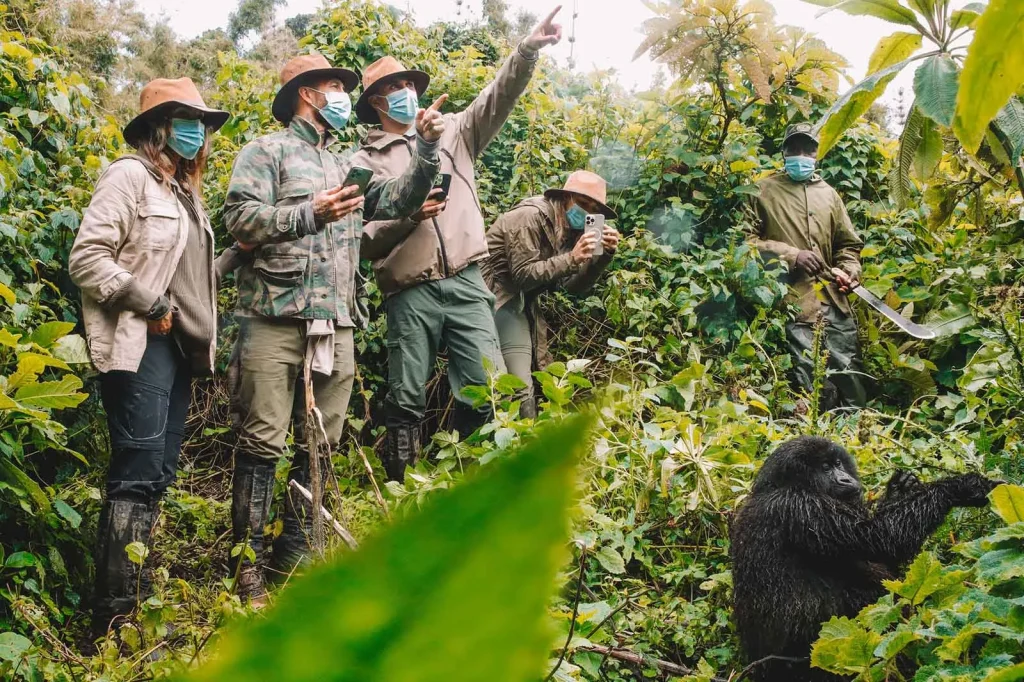
Comparison Between Gorilla Trekking and Gorilla Habituation in Africa
Embark on an unforgettable Uganda safari or Rwanda tour with Saso Uganda Safaris and discover the magic of mountain gorillas through two remarkable experiences—gorilla trekking and gorilla habituation. These extraordinary wildlife safari activities offer intimate encounters with endangered gorillas in their natural forest homes. While both provide a life-changing adventure, they differ significantly in their level of immersion, duration, and the nature of interaction with the gorillas. Whether you’re interested in a classic Uganda gorilla trekking safari or seeking a deeper, research-oriented Rwanda gorilla trekking experience, understanding the distinction between the two is vital. This article, Comparison Between Gorilla Trekking and Gorilla Habituation in Africa, explores these differences in detail while also highlighting cultural experiences and the possibility of combining these primate adventures with other top safari attractions across East Africa.
Gorilla Trekking: A Traditional Yet Thrilling Encounter
Experiencing the Iconic Uganda Gorilla Trekking Adventure
Gorilla trekking is the most popular method of encountering mountain gorillas and a bucket-list experience for many wildlife safari enthusiasts. Offered in both Uganda and Rwanda, this activity allows visitors to hike through pristine montane forests in search of fully habituated gorilla families. During a Uganda safari, gorilla trekking is commonly done in Bwindi Impenetrable National Park or Mgahinga Gorilla National Park. In Rwanda, Volcanoes National Park offers equally rewarding gorilla trekking Rwanda experiences.
This thrilling expedition involves tracking the movements of the gorillas with the help of skilled rangers and guides. The treks vary in duration, ranging from one hour to several, depending on the gorilla family’s location. Once found, trekkers are permitted to spend a maximum of one hour observing these gentle giants as they feed, groom, and interact within their family units. The exclusivity of the activity is ensured by limiting each group to eight visitors per day, helping to preserve the natural behavior of the gorillas while offering an intimate viewing experience.
Gorilla trekking is accessible to most travelers in moderate physical condition, as trail difficulties range from easy to challenging. The adventure, coupled with the opportunity to witness the magnificence of mountain gorillas in their habitat, creates a profound connection with nature and conservation. For travelers seeking a well-rounded Uganda safari, gorilla trekking can be combined with chimpanzee tracking in Kibale Forest, wildlife viewing in Queen Elizabeth National Park, or cultural experiences such as visiting Batwa communities.
Gorilla Habituation: A Deeper, Immersive Primate Safari Experience
Participating in Uganda’s Exclusive Gorilla Habituation Experience
While gorilla trekking provides an exciting glimpse into the lives of habituated gorillas, gorilla habituation offers a more in-depth experience, perfect for those passionate about conservation, research, and primate behavior. This rare opportunity is currently available only in Uganda’s Bwindi Impenetrable National Park and allows a limited number of visitors to join researchers and rangers in the daily process of habituating a semi-wild gorilla family.
Unlike traditional Uganda gorilla trekking, which offers a one-hour interaction, gorilla habituation permits participants to spend up to four hours with the gorillas. This extended period allows for a richer understanding of their complex behaviors, social interactions, and environmental adaptations. Visitors may observe activities such as foraging, resting, play, and even subtle signs of communication between individuals.
The goal of habituation is to gradually accustom gorillas to human presence, enabling future gorilla trekking encounters to be safe and non-invasive. This process takes several years and requires patience and commitment from conservation teams. By joining this experience, travelers not only enjoy exclusive access to gorillas but also directly support the vital research and conservation efforts involved.
Due to the semi-wild nature of these gorilla families, sightings may be less predictable, and the trails can be more rugged. However, the reward is a once-in-a-lifetime connection with one of Earth’s most endangered species. Travelers can combine gorilla habituation with chimpanzee tracking in Kibale or Budongo Forest and enjoy cultural encounters such as community walks, traditional dances, and craft-making workshops with local tribes.
Comparing Gorilla Trekking and Gorilla Habituation: Key Differences and Similarities
Choosing the Right Experience for Your Uganda or Rwanda Safari
The Comparison Between Gorilla Trekking and Gorilla Habituation in Africa highlights both shared elements and unique features that cater to different types of travelers. Both experiences offer unforgettable wildlife encounters in some of the most biodiverse forests of Africa. However, the intensity and depth of each experience differ significantly.
Gorilla trekking appeals to a broad range of travelers seeking a manageable and time-efficient wildlife safari. It’s ideal for those combining gorilla adventures with other activities like chimpanzee tracking, game drives, or boat safaris. Gorilla trekking is more structured, with defined time limits and fully habituated gorilla families that are accustomed to human visitors. Permits for gorilla trekking are more widely available and more affordable than those for habituation.
In contrast, gorilla habituation is tailored for wildlife enthusiasts who desire a more educational and immersive experience. It offers longer observation periods and the rare chance to witness the gradual adaptation of gorillas to human presence. This makes it perfect for photographers, conservationists, and travelers willing to invest more time and resources into a deeper primate encounter.
Both experiences contribute significantly to conservation through permit fees and local employment. They also promote cultural tourism, as many treks are complemented by visits to nearby communities. Cultural experiences include storytelling with the Batwa pygmies, traditional dance performances, and visits to local schools and hospitals supported by tourism initiatives. Whether you opt for gorilla trekking or gorilla habituation, you will come away with a deeper appreciation for Africa’s rich biodiversity and the critical efforts to preserve it.
Combining Uganda Gorilla Trekking with Other Safari Adventures
Multi-Destination Safaris with Chimpanzee Tracking and Cultural Encounters
One of the biggest advantages of choosing a Uganda safari is the possibility of combining gorilla trekking with other incredible experiences across the region. From the thick jungles of Bwindi to the open savannahs of Queen Elizabeth and Murchison Falls National Parks, Uganda offers a holistic wildlife safari adventure that includes chimpanzee tracking, boat cruises, birdwatching, and cultural immersion.
For example, a typical Uganda safari itinerary might start with chimpanzee tracking in Kibale Forest, where you can encounter our closest relatives in their natural habitat. From there, you can continue to Queen Elizabeth National Park for thrilling game drives to spot elephants, lions, buffaloes, and hippos. Afterwards, head to Bwindi for either a traditional Uganda gorilla trekking experience or the more immersive gorilla habituation adventure. Add to this a cultural village tour in Buhoma or Rushaga, where local guides introduce you to traditional herbal medicine, local food preparation, and handicraft making.
Rwanda safaris can also be paired with Uganda gorilla trekking, especially via the Cyanika or Katuna borders. A combined itinerary allows travelers to experience golden monkey tracking in Volcanoes National Park, cultural visits in Iby’Iwacu Cultural Village, and Kigali city tours—all while enjoying the affordability and availability of gorilla permits in Uganda.
At Saso Uganda Safaris, we specialize in creating tailor-made safari itineraries that allow you to enjoy the best of both worlds. Whether you are interested in a short gorilla trekking safari or a comprehensive primate and wildlife safari combining Uganda, Rwanda, and even Kenya or Tanzania, we will help you design the perfect trip.
Conclusion: Making the Most of Your Primate Safari with Saso Uganda Safaris
Choosing the Best Experience Based on Your Travel Goals
In conclusion, the Comparison Between Gorilla Trekking and Gorilla Habituation in Africa provides valuable insights for anyone planning a primate safari in Uganda or Rwanda. Gorilla trekking is ideal for those seeking a classic wildlife safari with a manageable time frame and cost, while gorilla habituation is perfect for travelers seeking a deeper, research-based interaction with semi-wild gorillas. Both experiences are equally rewarding and offer life-changing encounters that contribute directly to conservation and community development.
Whether you’re dreaming of Uganda gorilla trekking, Gorilla Trekking Rwanda, or a combined Uganda-Rwanda safari, Saso Uganda Safaris is your trusted partner in delivering safe, ethical, and unforgettable adventures. Let us help you craft a journey that combines the thrill of gorilla encounters with the richness of East Africa’s wildlife, people, and culture. Book your next safari with us and experience the true spirit of Africa!