
Discovering the Timeless Magic of Masai Mara National Reserve
The Masai Mara National Reserve in Kenya stands as one of Africa’s most iconic safari destinations, a land where nature writes its most spectacular stories. It is a vast, open savannah where golden grasslands stretch endlessly, dotted with acacia trees, riverine forests, and a diversity of wildlife unmatched anywhere in the world. Every year, travelers from across the globe embark on family-friendly safaris, wildlife tours, and relaxing trips abroad to witness this remarkable ecosystem in motion.
Understanding when is the best time to visit Masai Mara National Reserve helps travelers plan unforgettable experiences that align with their expectations. The Masai Mara offers excellent game viewing throughout the year, but each season has a different rhythm and feel. From July to October, the plains come alive with the Great Migration, where over 1.5 million wildebeest, zebras, and gazelles cross the Mara River in dramatic fashion. From January to March, the reserve transforms into the “lion season,” a period when predator action peaks as newborn animals fill the plains.
No matter the time of year, the Masai Mara delivers one of the world’s most rewarding wildlife safaris. Visitors can enjoy game drives, walking safaris, cultural experiences, or even combine their trip with gorilla trekking in Uganda or Rwanda. With its accessible terrain, excellent lodges, and vibrant Maasai culture, the Masai Mara remains ideal for family holidays, hiking tours, and relaxing tours that combine adventure with authentic African charm.
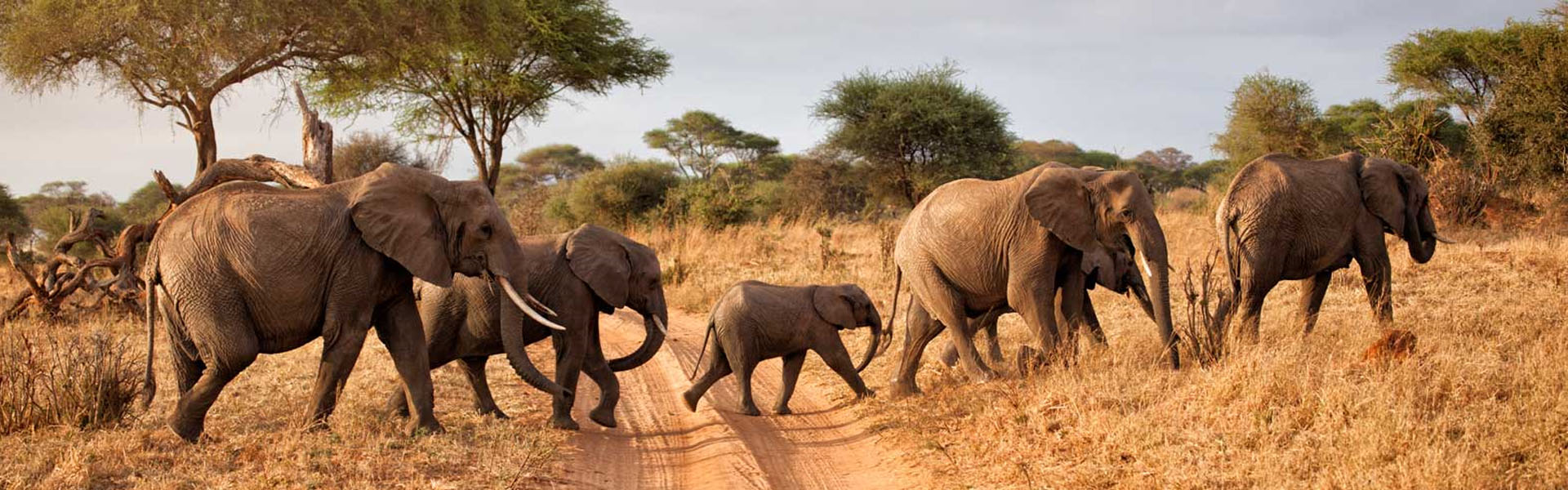
When is the Best Time to Visit Masai Mara National Reserve
The Great Migration: July to October: The Peak Season of Life and Movement
Witnessing the Greatest Wildlife Show on Earth
From July through October, the Masai Mara hosts one of nature’s most breathtaking spectacles, the Great Migration. During this long, dry season, over 1.5 million wildebeest, zebras, and gazelles cross from Tanzania’s Serengeti into Kenya’s Masai Mara in search of fresh pastures. This natural event attracts travelers, photographers, and wildlife enthusiasts from around the world, making it the best time to visit Masai Mara National Reserve for dramatic wildlife encounters.
The dry conditions reduce vegetation cover, making wildlife spotting remarkably easy. Lions patrol the plains, cheetahs chase prey in open fields, and crocodiles lie in wait along the Mara River. These scenes define the essence of Africa’s safari holidays, raw, wild, and unforgettable. The weather remains cool and dry, offering perfect conditions for family safaris, walking tours, and full-day game drives.
Peak Season Conditions and Experiences
Because this is the peak safari season, it is also the busiest and most expensive period. Camps and lodges, such as Mara Serena Safari Lodge, Governors’ Camp, and Ashnil Mara, fill up fast, so early booking is essential. The reserve buzzes with excitement, yet despite the crowds, there are still many opportunities for private, guided safaris with Saso Uganda Safaris, ensuring intimate encounters with wildlife.
Families can enjoy safe and thrilling family tours with experienced guides who make the experience educational and engaging for children. For photographers, this period provides golden light and abundant wildlife, making every frame breathtaking. For travelers seeking the ultimate wildlife safari abroad, the Great Migration months are unparalleled.
The “Lion Season”: January to March: The Time of Birth and Predators
A Season of New Life and Predator Action
Between January and March, the Masai Mara experiences a quieter yet equally fascinating time often referred to as the “lion season.” This period coincides with the birthing season for many animals, especially antelopes, zebras, and wildebeests, creating a nursery of new life across the plains. Predators like lions, leopards, and hyenas are most active, providing extraordinary sightings and opportunities to witness the circle of life.
The grass remains short after the brief rains, making wildlife spotting easier. This season is particularly favored by travelers who seek fewer crowds, clear skies, and intimate photographic opportunities. It is also one of the best times for family-friendly safaris, as the cooler weather and shorter drives make it comfortable for children and older travelers alike.
What Makes the Lion Season Special?
Unlike the migration months, January to March feels tranquil, allowing guests to connect with nature on a deeper level. Visitors can enjoy walking safaris, hiking tours, and game drives that focus on predator tracking and wildlife behavior. Birdlife is abundant, and the scenic beauty of the savannahs enhances every sunrise and sunset.
This is also the ideal time for travelers who want to combine the Masai Mara with gorilla trekking in Uganda or Rwanda. The short, dry conditions make inter-country travel easy and enjoyable. Whether for honeymooners, solo travelers, or families seeking adventure, this season is ideal for blending relaxing tours with thrilling wildlife safaris.
The Green Season: November to March: A Time for Beauty, Birdlife, and Peace
Why the Green Season Deserves Attention
While the Great Migration steals most of the attention, the green season from November to March offers an entirely different kind of safari, one defined by serenity, lush landscapes, and incredible birdlife. During this time, short rains refresh the plains, painting the reserve in vivid greens. The skies are dramatic, with soft light perfect for photography.
For travelers seeking budget-friendly safaris, this season provides excellent value, with lower rates and fewer visitors. The wildlife remains abundant, and the scenery is more picturesque. Migratory birds arrive from Europe and Asia, turning the Mara into a birder’s paradise. Visitors can spot bee-eaters, rollers, storks, and hundreds of other species on walking tours and hiking trips.
Ideal for Photography, Families, and Relaxation
The green season is also ideal for relaxing tours and family trips. Fewer vehicles mean more personal space and uninterrupted wildlife viewing. The mild weather allows for peaceful evenings around campfires, storytelling, and star-gazing. Lodges such as Mara Intrepids Camp and Kichwa Tembo offer special green-season packages that enhance comfort and affordability.
This period suits travelers who value peace, photography, and cultural immersion over crowds. It’s a wonderful time to visit local Maasai villages, experience traditional dances, and learn about conservation and coexistence from local communities.
Cultural and Community Experiences Around the Masai Mara
Connecting Wildlife Safaris with Culture
A visit to the Masai Mara is incomplete without experiencing the vibrant culture of the Maasai people. The Maasai are the guardians of this land, and their deep relationship with wildlife makes them an integral part of any safari. Visitors can participate in cultural tours that include village visits, beadwork demonstrations, and traditional dances.
These encounters add meaning to family-friendly safaris, helping children and adults alike appreciate the harmony between people and nature. Travelers can also visit community projects that support education, conservation, and women’s empowerment. This combination of wildlife safaris and cultural experiences enriches every journey.
Cultural Adventures and Walking Safaris
Saso Uganda Safaris often includes walking safaris that connect travelers to local Maasai guides, who share their ancient knowledge of animal tracking and herbal medicine. These authentic experiences turn your safari holiday into more than just sightseeing, it becomes a journey of understanding and respect for Africa’s traditions.
Combining cultural immersion with relaxing tours or family holidays gives every traveler a holistic view of the Masai Mara. From village visits to scenic nature walks, the possibilities are endless for travelers who crave authentic connections.

When is the Best Time to Visit Masai Mara National Reserve
Combining Masai Mara with Gorilla Trekking and East African Adventures
A Multi-Destination Journey of a Lifetime
Many travelers who visit the Masai Mara extend their adventure to include gorilla trekking in Uganda or Rwanda. This combination brings together two of Africa’s greatest wildlife experiences, the drama of the savannah and the serenity of the rainforest. After thrilling game drives in the Mara, guests can travel to Bwindi Impenetrable Forest or Volcanoes National Park to meet mountain gorillas face to face.
This itinerary, carefully crafted by Saso Uganda Safaris, offers seamless logistics, comfortable transfers, and world-class lodges in both destinations. It’s the perfect family trip, honeymoon getaway, or adventure holiday for travelers who want to see Africa’s wildlife diversity in one journey.
Extending to Serengeti, Amboseli, and Zanzibar
The Masai Mara also pairs perfectly with Tanzania’s Serengeti, where the migration continues across the border. You can explore Amboseli National Park for views of Mount Kilimanjaro, then unwind on Zanzibar’s beaches for a relaxing finale. Whether it’s a walking safari, a hiking tour, or a relaxation trip, East Africa’s connectivity allows endless combinations that fit every traveler’s dream.
Practical Travel Guide: Choosing Your Best Time to Visit
| Season | Months | Highlights | Best For |
| Peak Season | July – October | Great Migration, dry weather, dramatic river crossings | Wildlife safaris, photography, family tours |
| Lion Season | January – March | Newborn animals, predator sightings | Predator viewing, cultural tours |
| Green Season | November – March | Lush landscapes, birdwatching, fewer crowds | Relaxing tours, budget travelers, birding |
| Shoulder Seasons | June & November | Moderate crowds, great wildlife, lower rates | Balanced safaris, photographers, families |
Each season holds its magic. For those asking when is the best time to visit Masai Mara National Reserve, the answer depends on your interests. If your dream is to see the Great Migration, July to October is perfect. If you crave predator action and quieter safaris, January to March is ideal. For photographers and peace-seekers, the green season from November to March brings color, calmness, and intimacy.
Experience the Masai Mara with Saso Uganda Safaris
Every traveler’s vision of Africa is unique, and the Masai Mara fulfills them all. Whether you dream of the thunder of hooves during the Great Migration, the quiet intensity of the lion season, or the lush beauty of the green season, the Mara welcomes you.
At Saso Uganda Safaris, we craft personalized journeys that capture Africa’s essence. From family-friendly safaris and walking tours to hiking trips and relaxing holidays abroad, every experience is designed with authenticity, comfort, and adventure in mind. Combine your Masai Mara safari with gorilla trekking, cultural encounters, or relaxing tours for a complete East African adventure.
Saso Uganda Safaris stands as your trusted expert in African travel, offering unmatched expertise, care, and authenticity. When it comes to exploring Africa’s wilderness, every journey with us tells a story of connection, discovery, and transformation.