

Why Serengeti National Park Stands Out
Serengeti National Park is not just Tanzania’s crown jewel but also one of the most famous safari destinations in the world. Stretching across 14,763 square kilometers, this UNESCO World Heritage site is home to unparalleled wildlife diversity, breathtaking landscapes, and the legendary Great Migration. For decades, travelers have been drawn to the Serengeti to witness its seemingly endless plains, teeming with wildebeests, lions, elephants, and over 500 bird species.
But Serengeti National Park offers much more than a safari. It is a living ecosystem, rich in culture, history, and adventure. Whether you’re marveling at the calving season on the southern plains, watching predators hunt during river crossings, or soaring above the savannah in a hot-air balloon, the Serengeti delivers once-in-a-lifetime experiences.
This article dives deep into everything you need to know about Serengeti National Park its wildlife, geography, activities, accommodation, and travel tips while also exploring how to combine your Serengeti safari with gorilla trekking in Bwindi Impenetrable Forest or Volcanoes National Park in Rwanda for a truly unforgettable East African adventure.
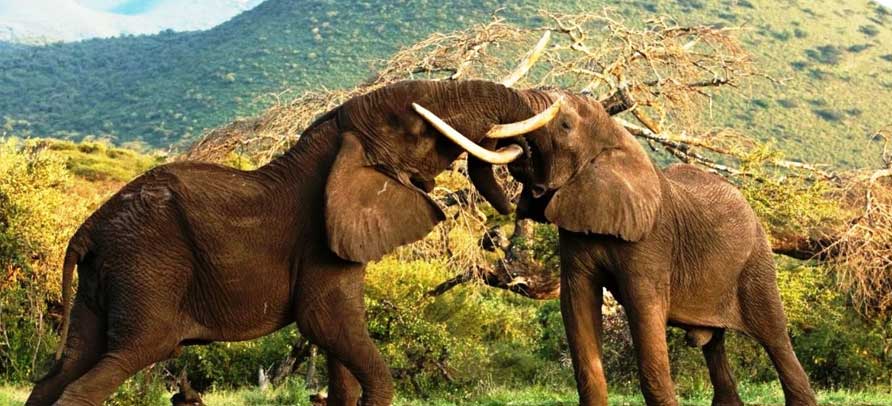
Serengeti National Park
The Great Migration: Nature’s Most Spectacular Show
Perhaps no wildlife event on earth is as awe-inspiring as the Great Migration. Each year, over 1.5 million wildebeests, joined by hundreds of thousands of zebras and gazelles, embark on a cyclical journey across Tanzania’s Serengeti and Kenya’s Masai Mara in search of water and fresh grazing land.
Key Stages of the Great Migration
- Calving Season (January to March): Southern Serengeti plains transform into a nursery, with nearly 500,000 calves born within weeks. This is prime predator season, as lions, cheetahs, and hyenas capitalize on the abundance of vulnerable young prey.
- Western Corridor Crossings (May to June): Herds gather along the Grumeti River, braving crocodile-infested waters. Dramatic hunts and survival struggles define this phase.
- Mara River Crossings (July to October): The most iconic moment, as wildebeests and zebras throw themselves into raging rivers, often facing massive Nile crocodiles and strong currents.
- Southward Return (November to December): As rains return, herds head back to the southern Serengeti to complete the cycle.
Pro Tip: The timing of the migration varies depending on rainfall patterns, so working with a knowledgeable safari operator is essential to maximize your chances of witnessing it.
Wildlife Beyond the Migration
Although the Great Migration is the Serengeti’s main draw, wildlife encounters extend far beyond the herds.
The Big Five in Serengeti National Park
- Lions: Serengeti boasts the largest lion population in Africa, often seen lounging on kopjes or hunting at dawn.
- Leopards: Frequently spotted in the Seronera Valley, draped elegantly on acacia branches.
- Elephants: Roaming in large herds across the park’s woodlands and grasslands.
- Rhinoceroses: Rare and mostly confined to the park’s northern regions, but sightings are possible.
- Cape Buffalo: Common across the park, moving in formidable herds.
Other Predators and Grazers
- Cheetahs: The Serengeti is one of the best places to see these sleek hunters in action.
- Hyenas & Jackals: Essential scavengers playing key roles in the ecosystem.
- Giraffes, Elands, Topis, and Gazelles: Graceful grazers that add variety to the safari experience.
Birdlife
With 500+ bird species, Serengeti is a paradise for birders. Notable species include ostriches, kori bustards, lilac-breasted rollers, martial eagles, and flamingos in seasonal wetlands.
The Geography and Landscapes of Serengeti National Park
The word “Serengeti” originates from the Maasai term siringet, meaning the place where the land runs on forever. True to its name, Serengeti’s landscapes stretch endlessly, offering different ecological zones that cater to diverse wildlife.
- Serengeti Plains
- Vast grasslands dotted with granite kopjes (rocky outcrops).
- Best known for calving season and predator action.
- Western Corridor
- Defined by the Grumeti and Mbalageti rivers.
- Perfect for dramatic river crossings and dense forest habitats.
- Northern Serengeti
- Rolling hills and open woodlands, extending to the Masai Mara in Kenya.
- Remote and less crowded, ideal for authentic wilderness experiences.
Safari Activities in Serengeti National Park
Game Drives
The most popular way to explore the park. Guided by experienced rangers, game drives let you encounter wildlife at sunrise, midday, or evening.
Hot Air Balloon Safaris
Float over golden plains at dawn, capturing sweeping aerial views of herds below a highlight for photographers and honeymooners alike.
Walking Safaris
Guided walks in designated areas provide an intimate connection with the landscape and smaller species often missed from vehicles.
Cultural Tours
Meet the Maasai people, learning about their traditions, warrior dances, and deep connection with the Serengeti ecosystem.
Accommodation Options
Serengeti caters to every traveler from luxury seekers to budget adventurers.
Luxury Safari Lodges
- Serengeti Serena Safari Lodge
- Four Seasons Safari Lodge Serengeti
- Singita Grumeti
Tented Camps
- Nomad Serengeti Safari Camp
- &Beyond Serengeti Under Canvas
- Olakira Migration Camp
Budget and Mid-Range
- Public campsites
- Eco-lodges near park gates
Insider Tip: Opt for a mobile tented camp if you want to follow the Great Migration more closely.
How to Visit Serengeti National Park
Getting There
- By Air: Daily flights from Arusha, Kilimanjaro, or Dar es Salaam land at Seronera, Kogatende, and other airstrips.
- By Road: Drive from Arusha (6–8 hours), often combined with Ngorongoro Crater and Lake Manyara safaris.
Best Time to Visit
- June to October: Dry season, ideal for wildlife visibility.
- December to July: Prime months to witness migration stages.
- April to May: Rainy season, with fewer tourists and lush scenery.
Combining Serengeti National Park with Gorilla Trekking
For travelers seeking the ultimate East African adventure, combining a Serengeti safari with gorilla trekking in Uganda or Rwanda is increasingly popular.
Bwindi Impenetrable National Park (Uganda)
- Home to nearly half of the world’s remaining mountain gorillas.
- Trek through misty forests to spend an hour with habituated gorilla families.
Volcanoes National Park (Rwanda)
- Easier accessibility, only a few hours from Kigali.
- Famous for gorilla conservation pioneered by Dian Fossey.
Suggested Itinerary:
- Start with Entebbe or Kigali for 3–4 days of gorilla trekking.
- Fly for a 5–7 days in Serengeti National Park for safari and migration.
- End your trip with cultural tours or a relaxing extension in Zanzibar.
This combination allows travelers to experience the savannah giants of Serengeti and the gentle giants of Bwindi and Rwanda, making it one of the most rewarding trips in Africa.
Travel Tips for Serengeti Safari Success
- Book Early: Lodges fill up months in advance during migration season.
- Pack Smart: Neutral-colored clothing, binoculars, sunscreen, insect repellent.
- Photography: Bring extra batteries and memory cards. Early morning light is magical.
- Travel Insurance: Essential for medical coverage and unexpected changes.
- Choose Ethical Operators: Support companies that prioritize conservation and community development.
Conservation and Community Impact
Serengeti National Park’s survival depends on sustainable tourism and conservation initiatives. Anti-poaching patrols, habitat restoration, and community engagement programs ensure the park continues to thrive for generations.
By visiting Serengeti, you contribute directly to protecting wildlife and supporting local Maasai communities who act as custodians of the land.

Serengeti National Park
Conclusion: Why Serengeti National Park Should Be on Your Bucket List
From the thunderous hooves of the Great Migration to serene moments watching a leopard laze in the trees, Serengeti National Park is the ultimate safari destination. It offers a rare blend of drama, beauty, and tranquility unmatched anywhere else on the continent.
And for those seeking even deeper adventure, combining Serengeti with gorilla trekking in Bwindi or Rwanda creates a once-in-a-lifetime journey that captures the very soul of Africa.
Ready to experience the Serengeti? Start planning your adventure today witness the migration, track gorillas, and create stories you’ll tell for a lifetime.