
Introduction to Ruaha National Park
If you are dreaming of an African safari that blends raw wilderness, abundant wildlife, and exclusivity far from the crowds, then Ruaha National Park should top your list. Covering an impressive 20,226 square kilometers, Ruaha is not only Tanzania’s largest national park but also one of Africa’s best-kept secrets.
Located in south-central Tanzania, west of the town of Iringa, the park derives its name from the Great Ruaha River, which flows majestically through its southeastern boundary. This river is more than just a geographical landmark it is the lifeblood of the park, attracting predators and prey alike during the dry season.
Unlike Tanzania’s more famous northern circuit parks like Serengeti and Ngorongoro, Ruaha offers a quieter, more exclusive safari experience, yet with equally thrilling encounters. It is a vital lion conservation stronghold, a sanctuary for large elephant herds, and a paradise for birdwatchers with over 570 recorded species.
Whether you are seeking the roar of lions across the savannah, the sight of baobab-studded landscapes, or the thrill of walking safaris in untamed bush, Ruaha delivers in every way.
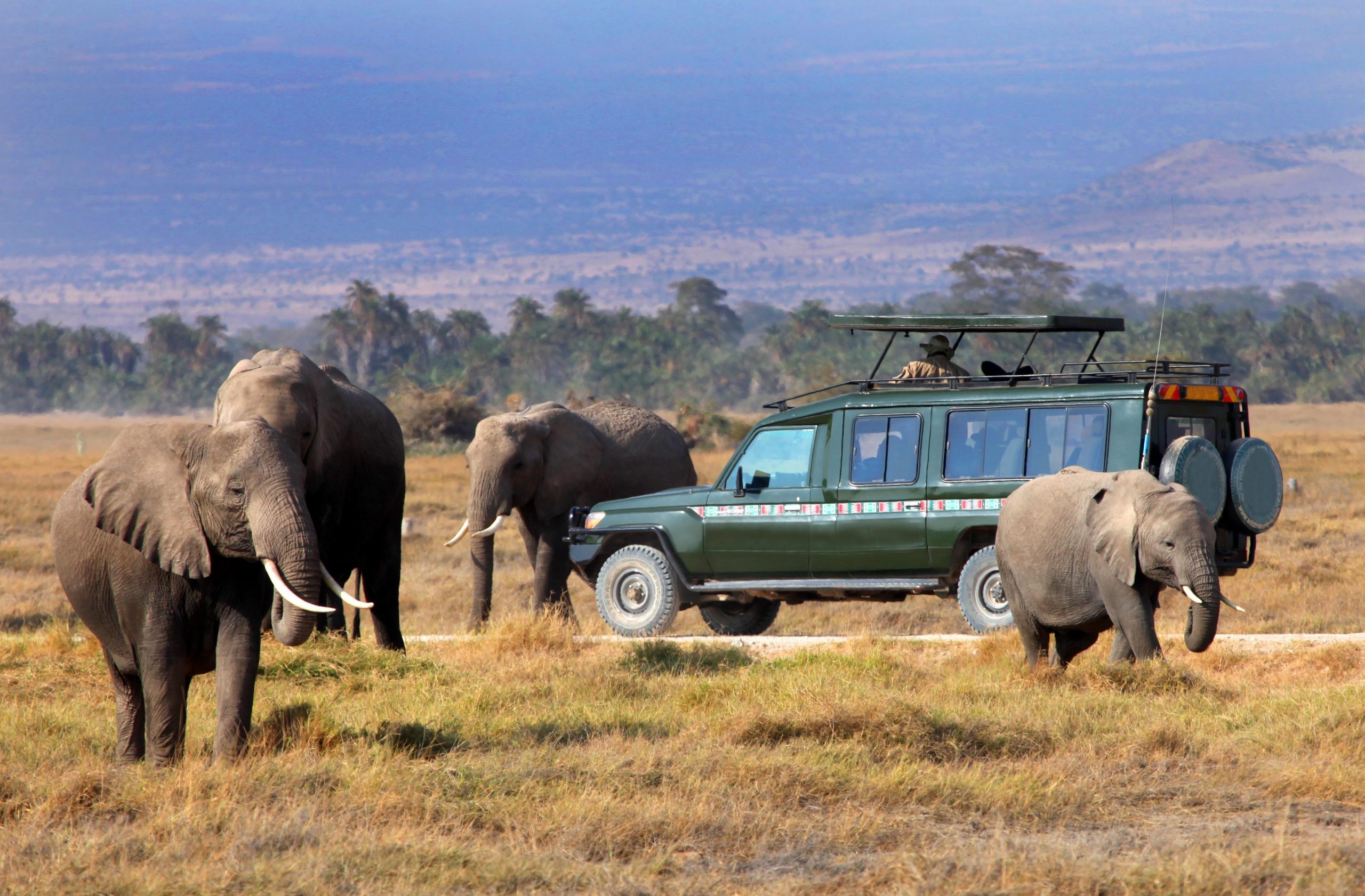
Ruaha National Park
Why Choose Ruaha National Park for Your Safari?
- Immense Size and Remote Location
Ruaha National Park spans more than 20,000 km², making it larger than several European countries combined. Its sheer size means fewer visitors per square kilometer, ensuring privacy and immersion in nature.
Unlike the busy Serengeti, Ruaha offers space and tranquility to ideal for travelers who want authenticity and wilderness without crowds.
- Exceptional Wildlife Encounters
Ruaha is world-renowned for its predator populations, particularly lions. The park supports one of the largest lion populations in Africa, with prides sometimes numbering more than 20 individuals. Cheetahs, leopards, hyenas, and endangered African wild dogs thrive here.
Equally impressive are its massive elephant herds, often seen by the riverbanks during the dry season. Add giraffes, zebras, buffalos, kudu, roan, sable antelope, and hippos, and you have an all-rounded safari destination.
- A Birdwatcher’s Paradise
With over 570 recorded bird species, Ruaha is a dream for ornithologists. Seasonal migratory birds flock to the park, joining resident species like the African fish eagle, southern ground hornbill, yellow-collared lovebird, and bateleur eagle. The wet season transforms Ruaha into a birdwatching wonderland, with colorful flocks filling the skies.
- Diverse Landscapes
Ruaha is more than wildlife it is a showcase of natural beauty. Its landscapes include rolling hills, acacia and miombo woodlands, baobab groves, open grasslands, and the iconic Great Ruaha River. This varied environment provides habitats for countless species and offers photographers breathtaking backdrops.
- Exclusive and Untouched Safari Experience
Only a fraction of the tourists who visit Serengeti make it to Ruaha. This exclusivity makes safaris here intimate and rewarding you can watch predators hunt without a line of safari vehicles blocking your view.
The Great Ruaha River: Lifeline of the Park
The Great Ruaha River is the heart of the park. During the dry season (May to October), the river becomes a vital water source, drawing animals from far and wide. Elephants dig for water in its sandy banks, predators lurk in the shade, and birdlife flourishes along its edges.
Game drives near the river almost guarantee sightings of lions, leopards, crocodiles, hippos, and herds of thirsty antelopes. Photographers will find sunrise and sunset along the river particularly enchanting, with golden light illuminating the baobabs and wildlife silhouettes.
Wildlife in Ruaha National Park
Big Cats and Predators
Ruaha is one of Africa’s top lion strongholds. Researchers estimate over 10% of Africa’s remaining lions live here. Cheetahs sprint across the open plains, leopards hide in rocky outcrops, while spotted hyenas and jackals add to the predator drama.
Endangered African wild dogs, elusive yet thrilling to spot, also roam Ruaha’s landscapes. Their packs move swiftly, covering vast territories, offering safari-goers a rare chance to observe these fascinating hunters.
Elephants and Large Mammals
Ruaha is home to one of East Africa’s largest elephant populations. Visitors often see large herds drinking and bathing along the Ruaha River. Buffalo herds, giraffes, zebras, and hippos are common sightings. Antelope species such as kudu, sable, and roan add diversity.
Birdlife
Highlights include the crested barbet, ashy starling, African hawk eagle, and pale-billed hornbill. During the wet season, migratory birds like European bee-eaters and steppe eagles join the avian population, thrilling birdwatchers.
Best Time to Visit Ruaha National Park
Dry Season (May to October)
- Best for game viewing
- Wildlife concentrates around the Great Ruaha River and remaining waterholes
- Easier road access
- Pleasant daytime weather
Wet Season (January to April)
- Lush, green landscapes with blooming wildflowers
- Perfect for birdwatching and photography
- Fewer tourists, offering more privacy
- Some roads may be challenging to navigate
Both seasons offer unique experiences choose based on your priorities.
Top Activities in Ruaha National Park
- Game Drives
Morning and afternoon drives reveal predators, elephants, and diverse landscapes. Night game drives, available at select lodges, offer the chance to spot nocturnal species like civets, porcupines, and leopards on the move.
- Walking Safaris
Guided walking safaris allow visitors to connect with the land. Walking among towering baobabs, tracking animal footprints, and discovering smaller creatures create a truly immersive safari experience.
- Birdwatching
Special birding safaris highlight Ruaha’s feathered wonders. Photographers can capture colorful migratory birds alongside resident species.
- Cultural Visits
Nearby, visitors can interact with the Hehe people and learn about their traditions, music, and crafts adding cultural richness to the wilderness adventure.
How to Get to Ruaha National Park
- By Air: Daily scheduled flights connect Ruaha with Arusha, Dar es Salaam, Zanzibar, and Serengeti. Charter flights also land at park airstrips.
- By Road: A full-day drive from Dar es Salaam or a shorter journey from Iringa. Roads may be rough, especially during rains, making 4×4 vehicles essential.
Safari Lodges and Camps in Ruaha
Ruaha offers a range of accommodations:
- Luxury Lodges: Jongomero Camp, Ikuka Safari Camp, Asanja Ruaha.
- Tented Camps: Ruaha River Lodge, Kwihala Camp, Kigelia Ruaha.
- Budget-Friendly: Public campsites near the park.
Each option blends comfort with wilderness immersion, often featuring open-air dining, riverside views, and expert-guided safaris.
Travel Tips for Visiting Ruaha National Park
- Pack light, breathable clothing for warm days, with layers for cooler mornings.
- Bring binoculars and a quality camera for birding and photography.
- Book flights early, especially during peak dry season.
- Hire experienced guides their expertise enhances wildlife encounters.
- Consider combining your trip with other southern circuit parks like Nyerere (Selous) or Mikumi.
Ruaha National Park and East African Safari Combinations
Many travelers combine Ruaha with iconic safari and primate destinations for a varied East African itinerary:
- Ruaha + Bwindi Impenetrable National Park (Uganda): Enjoy Ruaha’s big cats and elephants, then trek endangered mountain gorillas in Bwindi.
- Ruaha + Volcanoes National Park (Rwanda): Combine vast savannah safaris with the once-in-a-lifetime experience of gorilla trekking in Rwanda.
- Ruaha + Zanzibar: Relax on pristine Indian Ocean beaches after days of thrilling game drives.
This mix ensures travelers experience Africa’s full spectrum savannahs, jungles, and tropical islands.
Conservation and Sustainability Efforts
Ruaha is not only a tourism destination but also a conservation frontier. Organizations like the Ruaha Carnivore Project work to protect predator populations, especially lions and wild dogs. Eco-friendly lodges support local communities and minimize environmental footprints.
Tourism directly funds park management and anti-poaching patrols, making every visit contribute to preserving this wilderness.

Ruaha National Park
Final Thoughts: Why Ruaha National Park Belongs on Your Safari List
Ruaha National Park is where exclusivity meets authenticity. Its vast landscapes, unrivaled predator populations, diverse birdlife, and cultural richness make it one of Africa’s most rewarding safari destinations.
Unlike Tanzania’s crowded northern circuit, Ruaha offers solitude and unfiltered encounters with nature. Whether you seek lions hunting along the river, elephants moving in great herds, or migratory birds painting the skies, Ruaha has it all.
And for the ultimate East African journey, pair your Ruaha safari with gorilla trekking in Bwindi or Rwanda, or unwind on Zanzibar’s idyllic beaches. This combination creates a once-in-a-lifetime adventure blending wilderness, primates, and coastal beauty.
Call to Action
Are you ready to experience the untamed beauty of Ruaha National Park? Contact us today to plan your customized safari, whether it’s a stand-alone Ruaha adventure or a combined East African tour featuring gorilla trekking in Bwindi, Rwanda, or Zanzibar’s beaches. Let your journey into Africa’s wild heart begin!