
Nyerere National Park
When most travelers think of Tanzanian safaris, their minds often drift toward the Serengeti or Ngorongoro Crater. Yet tucked away in the vast wilderness of southern Tanzania lies a less-traveled, breathtakingly wild destination Nyerere National Park. Established in 2019 from the northern expanse of the former Selous Game Reserve, it is now the largest stand-alone national park in Africa, covering more than 30,000 square kilometers of untouched terrain.
Named in honor of Mwalimu Julius Kambarage Nyerere, Tanzania’s founding father, Nyerere offers an exclusive safari experience where unspoiled landscapes meet an astonishing diversity of wildlife. This is where Africa’s true wilderness still thrives free from the crowds often found in the northern circuit.
For adventurous travelers, Nyerere National Park is not just a safari destination. It’s a gateway to immersive experiences: from game drives in remote bushland, to boat safaris along the Rufiji River, to walking safaris that put you right at the heart of the ecosystem.
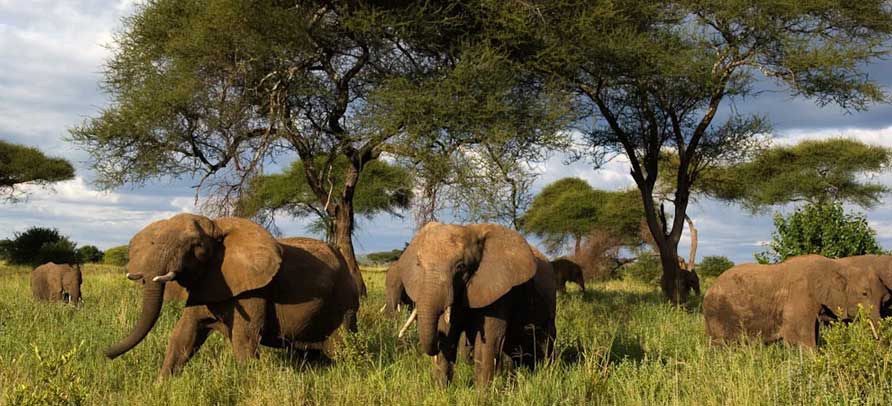
Nyerere National Park
Why Choose Nyerere National Park?
Unlike the Serengeti or Maasai Mara, where sightings may involve dozens of safari vehicles at once, Nyerere National Park promises seclusion and intimacy. Visitors often find themselves surrounded only by the sounds of the bush lions roaring at dawn, the splash of hippos in the river, or the rustle of elephants moving through thick vegetation.
Key Highlights
- Uncrowded Safaris: Limited tourism infrastructure ensures a personal experience.
- Rich Ecosystem: Home to elephants, lions, leopards, giraffes, buffalo, and critically endangered African wild dogs.
- Diverse Landscapes: From riverine forests and savannah grasslands to wetlands and lakes.
- Activities Variety: Game drives, walking safaris, bird watching, and boat excursions.
- Cultural Significance: Honors the legacy of Tanzania’s first president, Julius Nyerere.
Location and Accessibility
Nyerere National Park is located in southern Tanzania, roughly a 4–5 hour drive or a 45-minute flight from Dar es Salaam. Its accessibility by both road and air makes it a convenient addition for those starting their safari journey in Tanzania’s commercial capital.
- By Air: Daily charter flights from Dar es Salaam, Arusha, and Zanzibar land on various airstrips inside the park.
- By Road: A scenic but lengthy drive connects Dar es Salaam to the park, perfect for travelers seeking a more immersive journey.
Wildlife in Nyerere National Park
One of the park’s most impressive features is its wildlife density and diversity. Because of its sheer size, Nyerere hosts some of the largest populations of big game species in Africa.
Big Game and Predators
- Elephants: Thousands roam freely, often gathering near the Rufiji River.
- Lions: Nyerere is famed for its strong lion prides and frequent predator sightings.
- Leopards: These elusive cats find perfect cover in the park’s dense forests.
- African Wild Dogs: A rare highlight: Nyerere supports one of the world’s largest populations of this endangered species.
Aquatic Wildlife
The Rufiji River, one of East Africa’s most significant waterways, brings life to the park. Here, travelers can see:
- Hippos basking in pods.
- Giant crocodiles lurking on riverbanks.
- Birdlife including African fish eagles, kingfishers, herons, and migratory species.
Birdwatching Paradise
Over 440 bird species have been recorded, making Nyerere a must-visit for birding safaris. Standout species include:
- Pel’s fishing owl.
- Carmine bee-eaters.
- African skimmers.
- Yellow-billed storks.
Safari Activities in Nyerere National Park
Unlike many other parks where game drives dominate, Nyerere offers a mix of safari activities, making it one of the most versatile destinations in East Africa.
- Game Drives
Open 4WD vehicles take guests deep into diverse habitats. Sightings often feel exclusive, with few other vehicles around. The northwestern section is especially rich in wildlife yet remains less visited.
- Boat Safaris on the Rufiji River
Perhaps the park’s most iconic experience, boat safaris allow visitors to glide past pods of hippos, spot crocodiles, and watch elephants coming to drink. The river’s floodplains also provide some of the best bird-watching opportunities.
- Walking Safaris
Nyerere is one of the few Tanzanian parks that allows guided walking safaris. These are led by armed rangers and professional guides, giving guests an immersive connection with the wilderness.
- Fly Camping
For adventurers, fly camping sleeping under canvas in the bush is an unforgettable way to experience raw Africa.
Best Time to Visit
The park can be visited year-round, but different seasons provide different experiences.
- Dry Season (June to October): The best time for game viewing. Wildlife congregates at rivers and waterholes, vegetation is thinner, and the weather is cooler.
- Wet Season (November to May): Brings lush green landscapes and excellent birdwatching, though some camps close from mid-March to May due to heavy rains.
Accommodation in Nyerere National Park
Safari accommodations range from luxury tented camps to mid-range lodges. Most are eco-friendly, blending seamlessly with the wilderness.
- Luxury Camps: Sand Rivers Selous, Beho Beho.
- Mid-range Options: Rufiji River Camp, Selous Wilderness Camp.
- Budget & Adventure: Community camps and fly camping experiences.
Combining Nyerere National Park with Gorilla Trekking in Bwindi and Rwanda
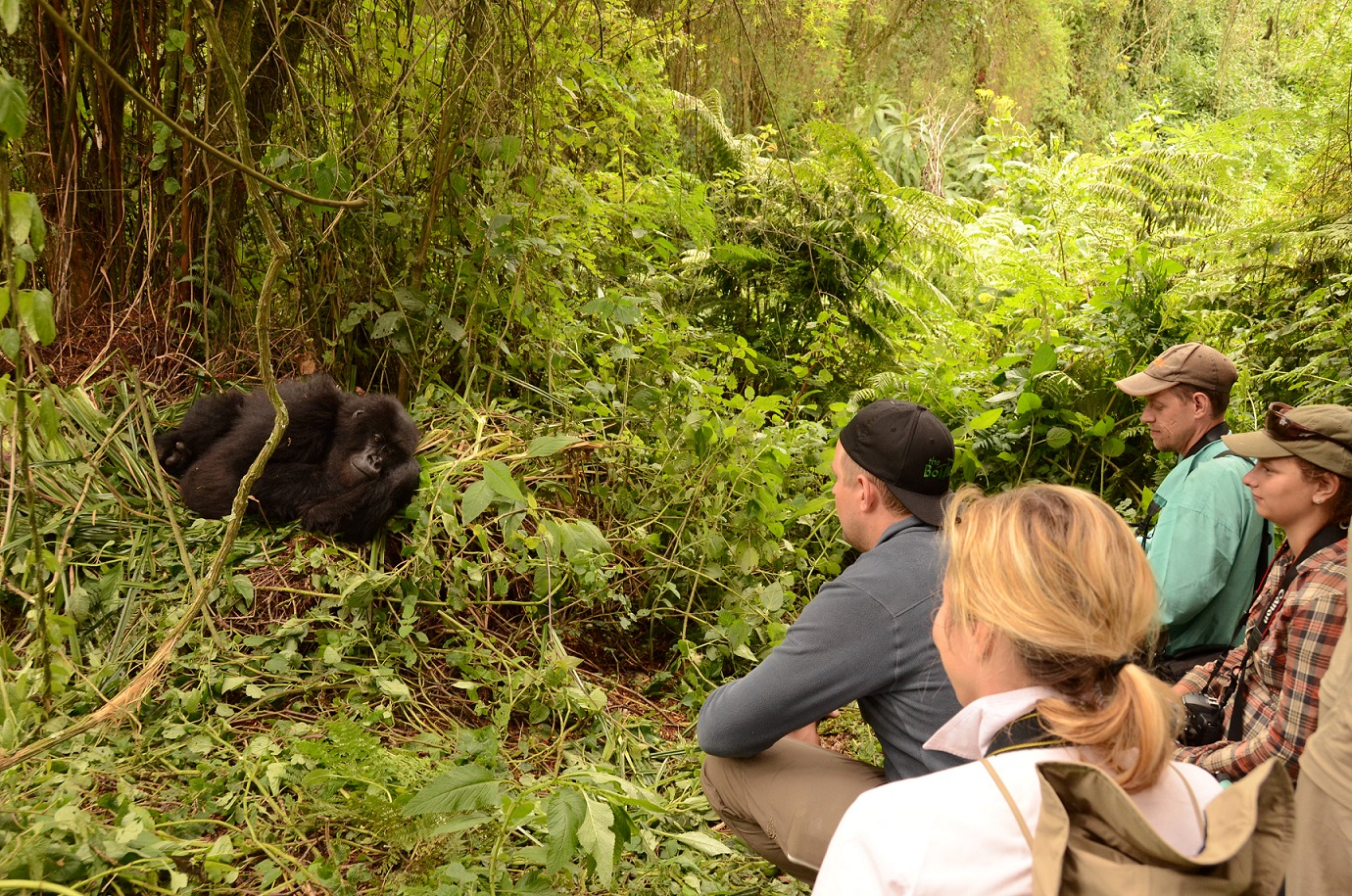
For travelers seeking the ultimate East African safari, combining Nyerere National Park with gorilla trekking in Bwindi Impenetrable National Park (Uganda) or Volcanoes National Park (Rwanda) is a once-in-a-lifetime journey.
Why Combine the Two?
- Biodiversity Contrast: Witness savannah predators in Tanzania, then encounter endangered mountain gorillas in Central Africa’s rainforests.
- Convenience: Daily regional flights make connections between Dar es Salaam, Kigali, and Entebbe straightforward.
- Unmatched Experiences: Pairing Nyerere’s boat safaris and wild dog sightings with gorilla trekking creates a safari package unlike any other.
Sample Itinerary
- Days 1–5: Explore Nyerere National Park (game drives, walking safaris, boat tours).
- Days 6–10: Fly to Kigali, transfer to Volcanoes National Park for gorilla trekking.
- Optional Extension: Add Bwindi Impenetrable Forest in Uganda for a second gorilla trek and cultural immersion.
Insider Tips for Travelers
- Pack Light, Pack Smart: Neutral clothing, sun protection, and binoculars are must-haves.
- Health Precautions: Anti-malarials are recommended, and yellow fever vaccination may be required.
- Travel Insurance: Essential for safaris and trekking adventures.
- Book Early: Especially if combining with gorilla trekking, as permits are limited.
Nyerere National Park
Conclusion: Why Nyerere Should Be on Your Safari Bucket List
Nyerere National Park offers a rare safari experience vast, wild, and uncrowded. Its combination of diverse wildlife, iconic river safaris, and unique walking opportunities sets it apart from more commercialized destinations. When paired with gorilla trekking in Bwindi or Rwanda, it delivers the most authentic and complete African safari experience imaginable.
For those yearning for the real Africa raw, untamed, and unforgettable Nyerere National Park awaits.
Call to Action
Ready to explore the wild beauty of Nyerere National Park and combine it with the thrill of gorilla trekking?
Contact us today to design your personalized East Africa safari from Tanzania’s savannahs to the misty forests of Uganda and Rwanda.