
FAQs about Chimpanzee Trekking in Kibale National Park
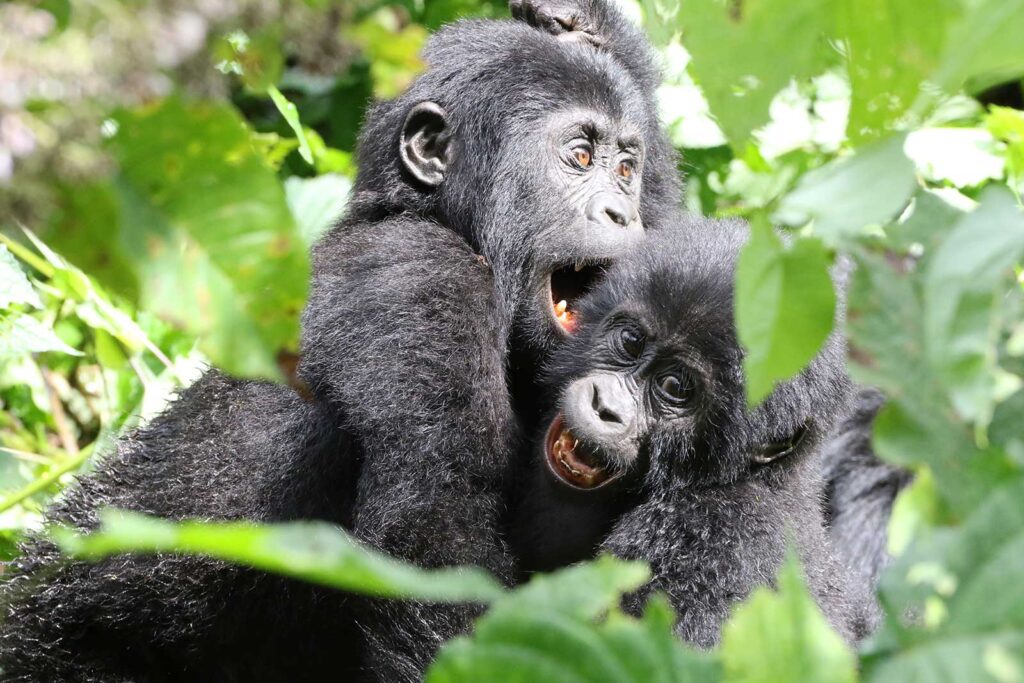
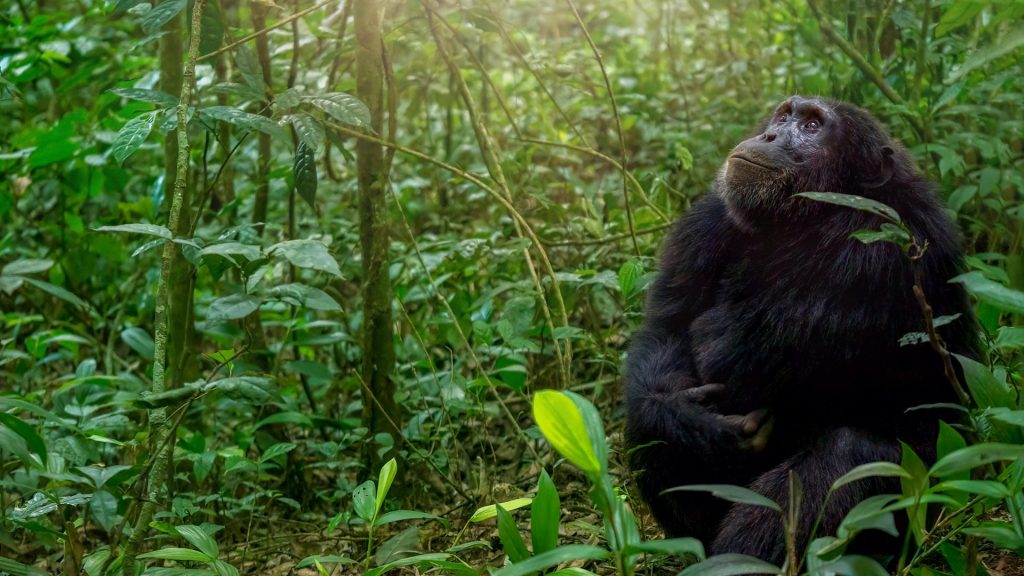
FAQs about Chimpanzee Trekking in Kibale National Park; Kibale National Park, often referred to as the “Primate Capital of the World,” is a premier destination for chimpanzee trekking in Uganda. Located in the western region of the country, this lush tropical rainforest is home to over 1,500 chimpanzees and boasts the highest density of primates in Africa. Beyond chimpanzees, the park is also a sanctuary for 12 other primate species, making it a haven for wildlife enthusiasts. Whether you’re planning a dedicated wildlife safari or looking to combine chimpanzee tracking with other adventures like gorilla trekking, Kibale offers an unforgettable experience.
What Is Chimpanzee Trekking?
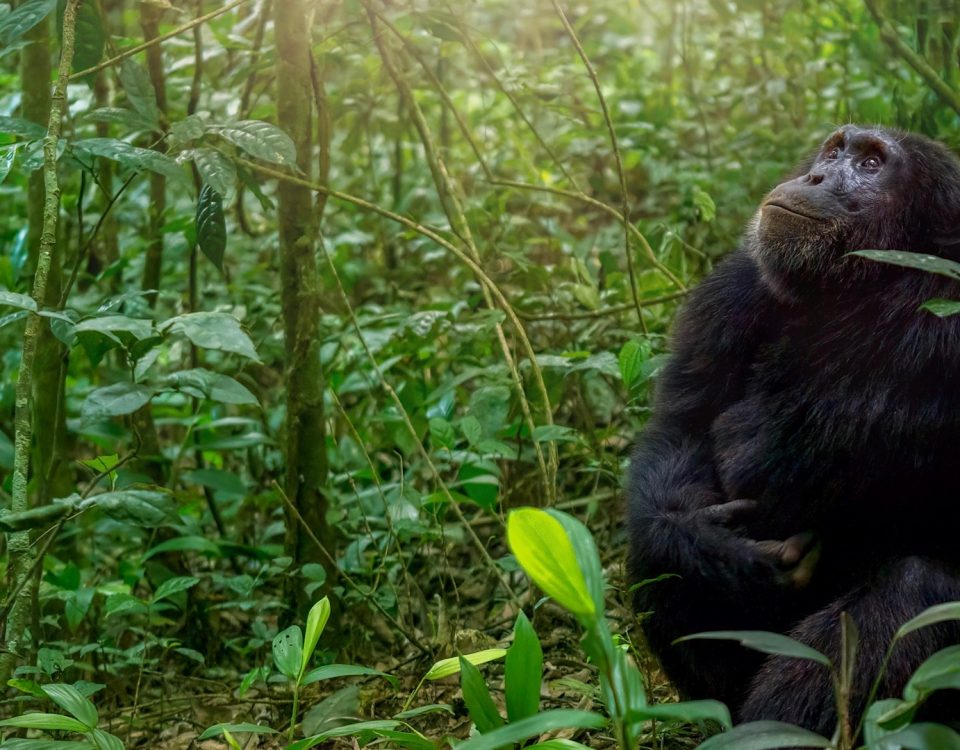
Chimpanzee trekking in Kibale involves guided walks through the forest to observe wild chimpanzees in their natural habitat. Unlike the more strenuous gorilla trekking, chimpanzee trekking is relatively accessible, making it suitable for a broader range of visitors. The activity typically lasts 2–3 hours, during which trekkers may encounter chimpanzees feeding, grooming, or displaying their complex social behaviors. The best times for trekking are early morning and late afternoon when chimpanzees are most active.
What Are the Rules and Regulations?
To ensure the safety of both visitors and chimpanzees, Kibale National Park enforces strict guidelines:
- Age Limit: Participants must be 12 years or older.
- Group Size: A maximum of six visitors per chimpanzee group.
- Health Precautions: Visitors showing signs of illness are not permitted to trek.
- Distance: Maintain at least 10 meters from the chimpanzees.
- Conduct: Avoid loud noises, sudden movements, and refrain from mimicking chimpanzee calls.
- Prohibited Items: Flash photography, eating, drinking, or smoking near the chimpanzees.
These measures are in place to protect both the visitors and the chimpanzees from potential diseases and to minimize human impact on their natural behaviors.
How Much Do Permits Cost?
Chimpanzee trekking permits in Kibale vary based on nationality:
- Foreign Non-Residents: $150 USD
- Foreign Residents: $100 USD
- East African Citizens: 100,000 UGX
For a more immersive experience, the Chimpanzee Habituation Experience (CHEX) allows visitors to spend a full day with the chimpanzees. This experience is limited to four visitors per day and costs:
- Foreign Non-Residents: $220 USD
- Foreign Residents: $150 USD
- East African Citizens: 300,000 UGX
It’s advisable to book permits 3–6 months in advance, especially during peak seasons.
What Should I Pack?
For a comfortable and safe trekking experience, consider bringing:
- Sturdy Hiking Boots: Essential for navigating muddy and uneven trails.
- Long-Sleeved Clothing: Protects against insects and thorny vegetation.
- Insect Repellent: To ward off tsetse flies and other pests.
- Waterproof Jacket: Weather can be unpredictable; it’s best to be prepared.
- Binoculars and Camera: For birdwatching and capturing memories.
- Water and Snacks: Stay hydrated and energized during the trek.
- Gardening Gloves: Useful for handling vegetation and protecting hands.
Additionally, carrying a waterproof backpack will help protect your belongings from rain and humidity.
???? How Do I Get There?
Kibale National Park is approximately a 4–5 hour drive from Kampala, Uganda’s capital. The park is situated near the town of Fort Portal. Visitors can access the park via the following routes:
- From Kampala: Travel via Mubende to Fort Portal.
- From Mbarara: Proceed through Kamwenge to Fort Portal.
For those preferring air travel, there are domestic flights to nearby airstrips, such as Kasese and Toro, followed by a road transfer to the park.
Where Should I Stay?
Accommodation options near Kibale National Park cater to various budgets:
- Luxury: Kyaninga Lodge and Ndali Lodge offer upscale amenities and stunning views.
- Mid-Range: Primate Lodge and Crater Safari Lodge provide comfortable stays with easy park access.
- Budget: Kanyanchu River Camp and Sebitoli Camping Ground are affordable options for budget-conscious travelers.
Many lodges also offer packages that include chimpanzee trekking permits, meals, and transportation, providing a convenient all-in-one experience.
Can I Combine Chimpanzee Trekking with Other Activities?
Absolutely! Kibale National Park is ideally located for combining chimpanzee trekking with other wildlife experiences:
- Gorilla Trekking in Bwindi Impenetrable Forest: A short drive or flight connects Kibale to Bwindi, allowing for a combined primate trekking adventure.
- Game Drives in Queen Elizabeth National Park: Just a few hours away, this park offers classic African safari experiences with the chance to see the “Big Five.”
- Cultural Experiences: Engage with local communities to learn about traditional lifestyles and conservation efforts.