What Is the Difference Between Gorilla Trekking and Chimpanzee Trekking?
A key consideration for wildlife safari enthusiasts planning a Uganda safari, Rwanda safari, or broader East African adventure is understanding What is the difference between Gorilla Trekking and Chimpanzee Trekking? Both activities rank among the continent’s most sought-after primate experiences, yet each offers distinctly different encounters shaped by terrain, animal behaviour, cultural context, and logistical demands. Whether you’re leaning toward Gorilla Trekking Rwanda or exploring Uganda Gorilla Trekking, it’s essential to grasp these contrasts—not only to align with physical ability and interests, but also to craft a safari that combines primate immersion with cultural richness and conservation purpose. This comprehensive guide from Saso Uganda Safaris examines trekking intensity, wildlife dynamics, cultural overlays, and even how both experiences can be woven into a single transformative safari.
Trekking Conditions & Physical Demands
Navigating Terrain for Gorilla vs. Chimpanzee Tracking
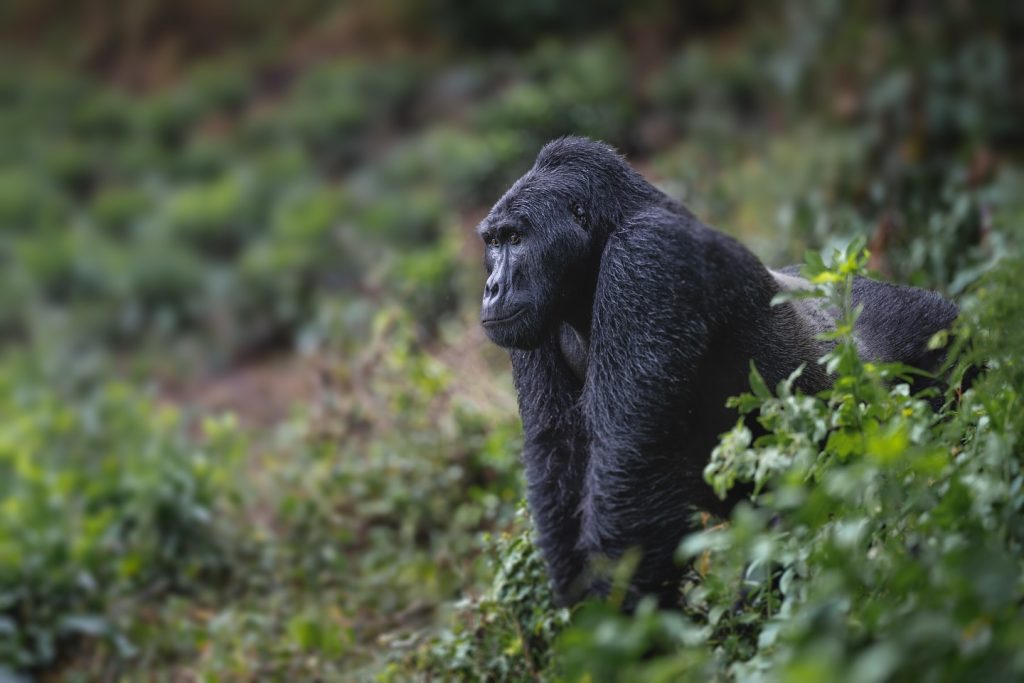
One of the most significant distinctions between Gorilla Trekking and Chimpanzee Tracking lies in the trekking conditions. Gorilla trekking typically occurs at higher altitudes and involves navigating steep, muddy slopes in mountainous terrain. For instance, Gorilla Trekking Rwanda in Volcanoes National Park spans ridges cloaked in bamboo and dense forest. In Uganda Gorilla Trekking areas—such as Bwindi Impenetrable Forest or Mgahinga Gorilla National Park—trekkers can expect equally challenging hikes through tangled undergrowth and cloud forests. These treks often require moderate to high fitness levels, with treks lasting anywhere from two to six hours or more, depending on gorilla movements. The result is an intimate, physically immersive wildlife safari with majestic rewards—a profound experience noting both power and grace in gorilla families.
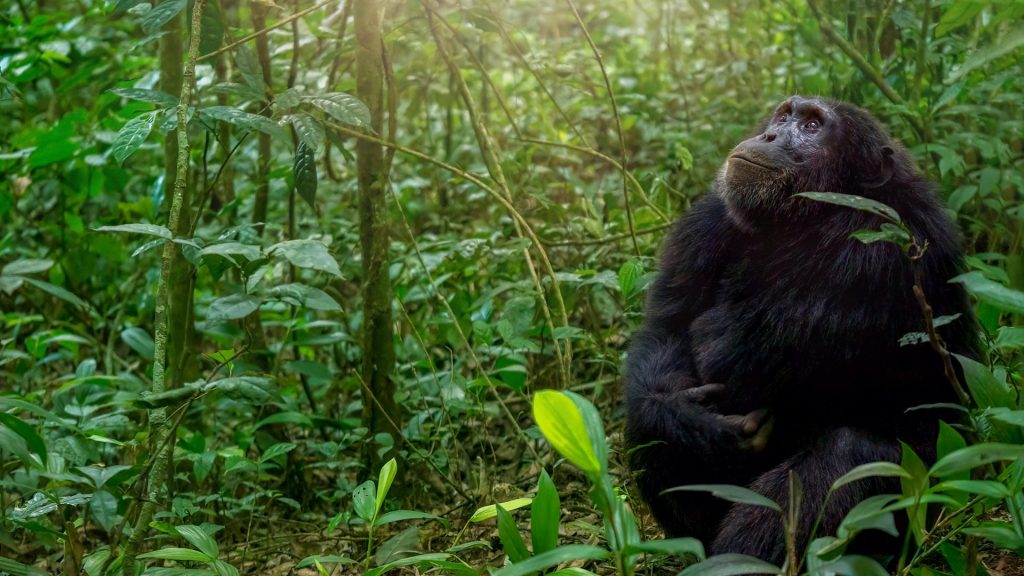
On the other hand, chimpanzee trekking activity—be it in Kibale Forest on a Uganda safari or Nyungwe Forest during a Rwanda tour—typically involves gentler terrain, lower altitudes, and more forgiving trails. Although daytime tracking can involve muddy stretches or uneven ground, it rarely demands the rigorous uphill trekking associated with gorilla excursions. Chimpanzee tracking is often hailed as more accessible, featuring highly repeatable sightings and adaptable logistics suitable for families, older travelers, or anyone seeking a lighter, yet equally captivating, wildlife safari. Ultimately, the choice between gorilla trekking and chimpanzee tracking may hinge on your comfort with terrain and your safari’s physical demands.
Wildlife Behavior & Viewing Experience
Contrasting Primate Social Structures and Safari Moments
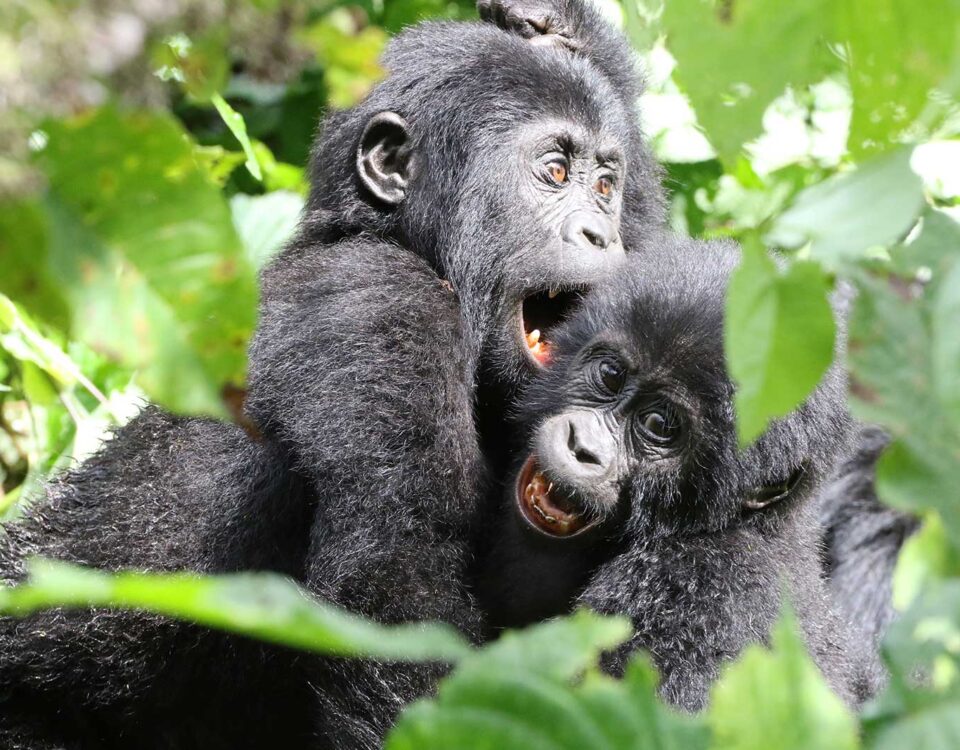
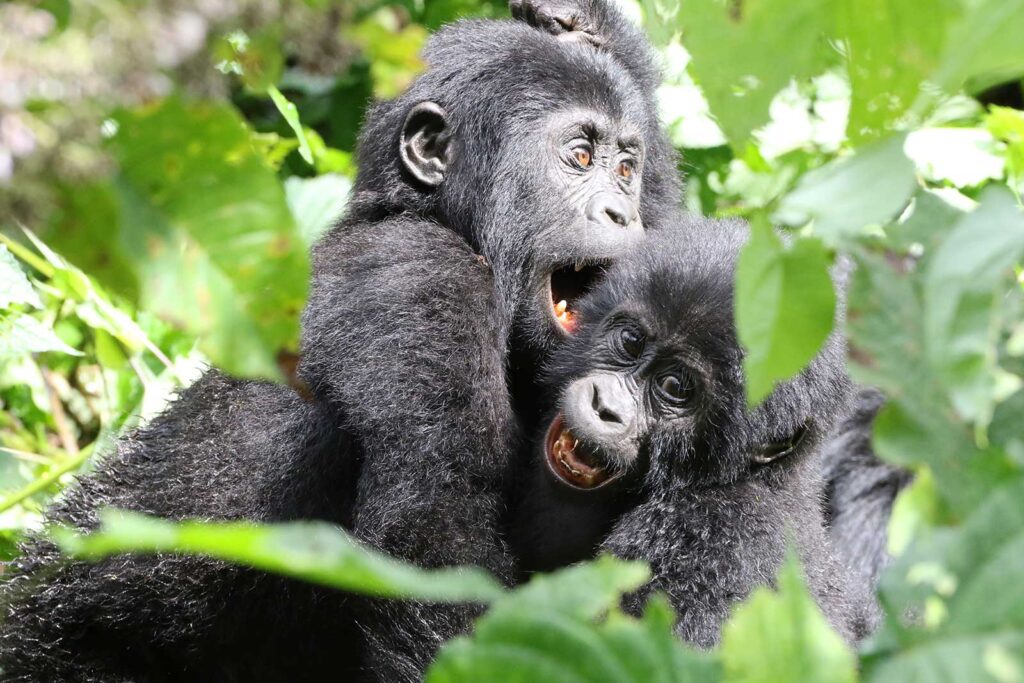
Another impactful distinction shaping the safari experience is how gorillas and chimpanzees behave in the wild. During Gorilla Trekking Rwanda or Uganda Gorilla Trekking, visitors typically encounter groups of mountain gorillas with composed, deliberate demeanors. Once a gorilla family is located, trekkers may observe them resting, feeding, or socializing for up to an hour. This offers moments of peaceful contemplation and emotional connection as gorillas—especially babies and silverbacks—display familial bonds and gentle interactions. Such encounters are often described as profound and life-affirming, providing insight into the close-knit social fabric of gorilla families.
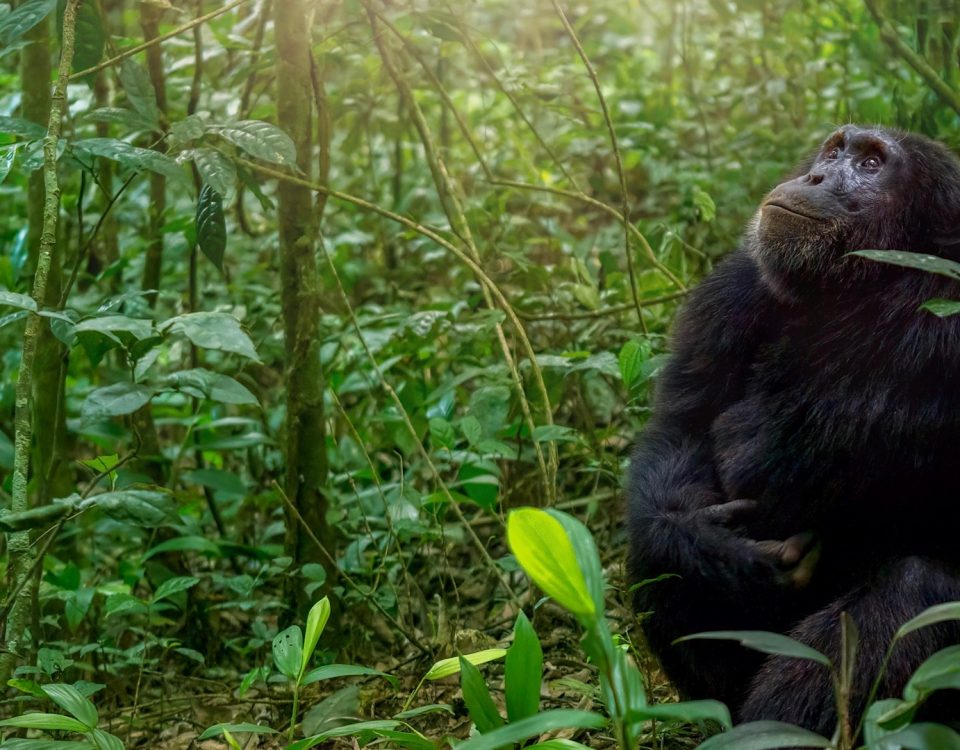
Chimpanzee tracking offers a more dynamic experience. Chimpanzees—often described as “our wild cousins”—are energetic, vocal, and expressive. Their behaviour includes foraging, grooming, chasing, and complex interactions such as tool use and vocal displays. These primates frequently move through the canopy, vocalize loudly, and exhibit rapid shifts in activity, making every viewing unpredictable and exciting. During chimpanzee tracking in Kibale or Nyungwe, guests engage with this vibrancy: leaping into treetops, laughing, nest building, and arguing—all within earshot and sometimes within sight of the startled visitor. The experience feels less static than gorilla trekking and offers a penetrating glimpse into the vivid social lives of chimpanzees.
Trekking Accessibility & Logistics
Permit Costs, Duration, and Combined Primate Tours
For many travelers, practical factors help distinguish What is the difference between Gorilla Trekking and Chimpanzee Trekking? Gorilla trekking permits are more expensive and limited, often costing between $700 and $1,500 USD depending on the country—Uganda or Rwanda. Chimpanzee tracking permits (e.g., Kibale Forest at ~$200 USD, Nyungwe at similar pricing) are more accessible, making chimpanzee tracking an economical entry point for a high-value wildlife safari.
Gorilla trekking groups are similarly regulated with tight quotas and advanced permit booking—sometimes months in advance. The trekking process is tightly managed, with singular one-hour encounters and strict rules to protect the gorillas. Chimpanzee tracking is also regulated but supports more abundant permit availability and flexible time slots, enabling greater spontaneity in safari planning.
Crucially, while Gorilla Trekking and Chimpanzee Tracking have distinct permits, many Uganda safari itineraries combine both—for example, chimp tracking in Kibale followed by Uganda Gorilla Trekking in Bwindi. This allows travellers to absorb diverse primate encounters, each with unique terrain and behavior. Rwanda tours can do the same, pairing Nyungwe tracking with Gorilla Trekking Rwanda in Volcanoes National Park. These multi-primate safaris amplify wildlife safari experiences, broadening emotional and educational impact.
Cultural Context & Conservation Significance
Community Interactions, Traditions, and Ethical Tourism
A complete primer on What is the difference between Gorilla Trekking and Chimpanzee Trekking? must include cultural dimensions. Gorilla trekking often intersects with traditional communities such as the Batwa pygmies in Uganda or Musanze residents near Rwanda’s Volcanoes. Visitors may engage in storytelling, traditional dances, or handicraft markets that support grassroots conservation and local livelihoods introduced by gorilla-focused tourism.
By contrast, chimpanzee tracking in Kibale or Nyungwe commonly involves visits to coffee farms and rural villages where locals integrate sustainable practices with wildlife conservation. These cultural visits highlight how chimpanzee and gorilla tourism underwrite habitat protection, anti-poaching units, and community projects. Wildlife safari tourism thus extends well beyond fauna encounters—it becomes a vehicle for heritage preservation and ecological resilience.
In both settings, visitors gain insight into local beliefs surrounding primate protection—tempered by tradition and guided by conservation mandates. This dual focus on wildlife safari and human culture enhances the impact and emotional resonance of the experience.
Combining Gorilla and Chimpanzee Trekking
Crafting Seamless Multi-Primate Safari Itineraries
One of the most compelling answers to What is the difference between Gorilla Trekking and Chimpanzee Trekking? lies in their potential synergy. Travelers can—and frequently do—combine Uganda Gorilla Trekking with chimpanzee tracking in Kibale Forest, enjoying a layered wildlife safari over several days. Similarly, Rwanda itineraries can weave Nyungwe tracking with Gorilla Trekking Rwanda, providing rich primate diversity in one journey.
Saso Uganda Safaris specializes in creating such integrated tours—carefully managing travel times, permit schedules, and trekking readiness. This translates into a smooth, safe, and logistically sound safari that marries rugged mountain treks with forest walks, wildlife viewing, and cultural richness, all while prioritizing conservation ethics.
From logistical planning to preparing for terrain, safety protocols, and community etiquette, combining Gorilla and Chimpanzee Trekking transforms your safari into a comprehensive and deeply satisfying wildlife expedition.
Health & Safety Protocols
Ensuring Responsible, Disease-Free Wildlife Interactions
Safety is crucial to both types of primate trekking. Gorilla encounters, especially Gorilla Trekking Rwanda and Uganda Gorilla Trekking, require minimum distances to prevent disease transmission (often 7 meters) and permits enforce masking, health screenings, and strict group size limits. Chimpanzee tracking follows similar protocols: visitor queues, distance rules, health checks, and mandatory guides lead the trek.
Saso Uganda Safaris ensures guests are fully briefed beforehand—on staying silent, holding masks, maintaining safe proximity, and avoiding food or drink during encounters. This protects both humans and primates, aligning wildlife safari tourism with biosecurity and conservation best practices.
Concluding Thoughts
Choosing Your Wildlife Safari—Based on Primates, Terrain, and Depth
In conclusion, What is the difference between Gorilla Trekking and Chimpanzee Trekking? It comes down to terrain ruggedness, cultural context, cost, and wildlife behavior. Gorilla trekking is more physically challenging, emotionally profound, and permit-driven—perfect for those seeking a high-impact wildlife safari. Chimpanzee tracking is comparatively accessible, vibrant, and cost-effective while enabling cultural immersion.
For travelers seeking the ultimate primate adventure—especially on a Uganda safari—the real reward lies in combining the two. Saso Uganda Safaris crafts tour experiences that elevate wildlife safari beyond observation—into the realms of empathy, culture, and conservation.