
Best Time of Year for Gorilla Trekking in Rwanda and Uganda: A Saso Uganda Safaris Guide
Why Timing Matters for Gorilla Trekking
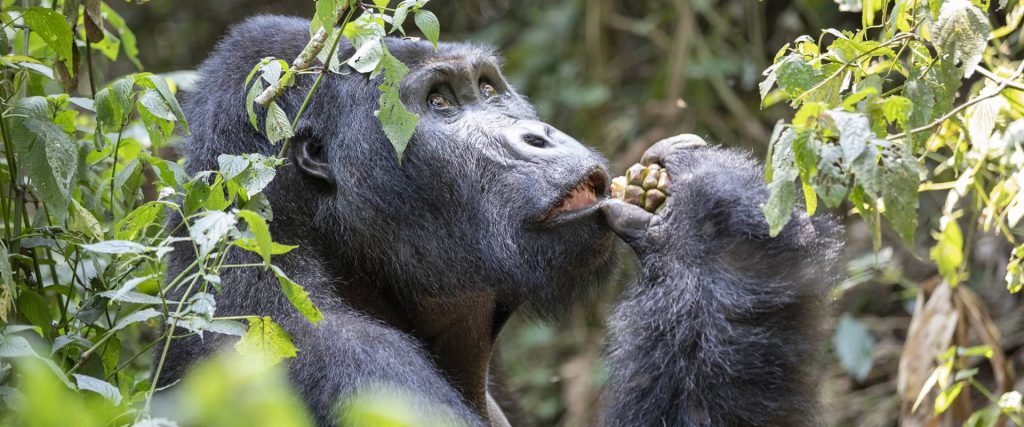
Gorilla trekking is one of Africa’s most coveted wildlife experiences, offering intimate encounters with mountain gorillas in their natural habitat. The timing of your trek affects forest conditions, gorilla behavior, crowd levels, permit availability, and overall comfort during the hike. Saso Uganda Safaris specializes in crafting itineraries that balance thrill and sustainability, ensuring you enjoy the best possible experience while supporting conservation and local communities. In this article, we break down the factors that determine the optimal times for gorilla trekking in Rwanda and Uganda, provide practical planning tips, and share cultural experiences that enrich your journey.
- Experience-driven planning: Our on-the-ground knowledge of Bwindi Impenetrable National Park, Mgahinga Closely, and Volcanoes National Park informs recommendations that reflect real trekking conditions and wildlife patterns.
- Conservation-first mindset: We emphasize responsible trekking, low-impact travel, and partnerships with local communities to protect gorilla habitats for future generations.
- Global accessibility: The content is written for a world audience, aligning with search intent and providing clear, actionable steps for travelers at every budget level.

Best Time of Year for Gorilla Trekking in Rwanda and Uganda
Climate, Terrain, and Trek Difficulty, What Drives the Best Time?
Understanding Uganda’s Rainy and Dry Seasons
- Uganda’s gorilla parks: Bwindi Impenetrable National Park and Mgahinga Gorilla National Park in southwestern Uganda.
- Rainy seasons: March–May and September–November.
- Dry windows: Late May to early June, and December to February often offer drier trails with better visibility.
- Shoulder seasons: Transitional periods can bring intermittent showers but fewer crowds and lush forest scenery.
Do you prefer trekking with drier trails and clearer forest paths, or are you drawn to the lush, rain-soaked ambience of the forest?
Understanding Rwanda’s Terrain and Weather Patterns
- Rwanda’s gorilla parks: Volcanoes National Park is the principal destination for gorilla trekking.
- Dry periods: Generally drier from June to September and December to February.
- Variable weather: Mountain weather can shift quickly; even during dry spells, mist and drizzle are possible at altitude.
- Best balance: Shoulder periods (late spring and late autumn) can offer fewer crowds with reasonable trekking conditions.
Trek Difficulty and Forest Conditions
- Trail characteristics: Forest floors can be muddy and steep, with uneven footing and dense undergrowth.
- Fitness considerations: Treks can take 2–8 hours round-trip, depending on gorilla group location, fitness, and weather.
- Altitude awareness: Higher elevations may require acclimatization and careful pacing.
Scheduling, Permits, and Crowd Management
Permit Availability and Timing
- Permits are finite: Gorilla permits are limited to protect gorilla populations in both Uganda and Rwanda.
- Advance planning: Early booking is essential, especially during peak travel seasons and holiday periods.
- Seasonal demand: Peak demand often coincides with dry seasons, school holidays, and special wildlife events.
Optimal Windows for Viewing Behavior
- Gorilla behavior: Weather, food availability, and group dynamics influence gorilla movement and resting patterns.
- Visibility vs. activity: Drier periods often provide clearer trails for sightings, though misty rain can bring dramatic forest aesthetics and increased bird activity.
Planning for Peak vs. Off-Peak Periods
- Peak seasons: Higher demand means more competition for permits and services, but sometimes more robust lodge availability and longer planning horizons.
- Off-peak periods: Fewer crowds, potentially lower costs, and intimate encounters in quieter forest corridors—but with more variability in weather.
Cultural Experiences to Enrich Your Gorilla Trekking
Immersive Community Encounters
- Batwa cultural experiences: Learn about forest traditions, music, crafts, and lifeways of the Batwa communities near Bwindi and Volcanoes.
- Market and craft interactions: Support local artisans, sample regional cuisine, and gain insight into daily life in rural East Africa.
Nature-Based Cultural Immersions
- Birding and eco-tours: Combine gorilla trekking with guided birdwatching and nature walks to broaden biodiversity appreciation.
- Rural life immersion: Visit nearby farms, meet families, and learn traditional weaving, pottery, or farming techniques.
Combining Uganda Gorilla Trekking with Other Safari Experiences
- Chimpanzee tracking in Kibale: Extend your journey with chimpanzee encounters in Kibale National Park for a multi-primate experience.
- Big five and broader East Africa: Consider a broader itinerary that includes reserves in Kenya or Tanzania for a wider wildlife portfolio.
- Homestays and community led nights: End your days with authentic, sustainable lodging experiences that support local families and conservation initiatives on your Best Time of Year for Gorilla Trekking in Rwanda and Uganda.
Practical Planning: Logistics, Permits, and Health
Permits, Fees, and Reserve Considerations
- Gorilla permit realities: Uganda and Rwanda limit gorilla permits to protect populations, making early booking crucial. Permit costs vary by country and season, and price changes reflect demand, conservation funding, and park policies.
- Health prerequisites: Some travelers may require vaccinations or anti-malarial precautions depending on travel history and region, along with altitude considerations during mountain treks.
Are you prepared to secure your gorilla permits well in advance to secure preferred dates?
Gear, Fitness, and Trek Preparation
- What to bring: Lightweight, moisture-wicking layers, sturdy hiking boots, a poncho or rain shell, sunscreen, insect repellent, and a small daypack. A walking stick, camera with a zoom lens, and a compact first-aid kit are advisable.
- Fitness readiness: While gorilla treks are not technical climbs, they demand stamina and comfortable endurance due to uneven forest terrain and possible steep sections.
Accommodation and Ground Transport
- Lodging variety: Options range from luxury lodges with forest views to comfortable mid-range camps near the parks. We select accommodations that prioritize sustainability, comfort, and proximity to trekking start points.
- Transport logistics: Private transfers, domestic flights (where available), and reliable road travel minimize fatigue and maximize your time on safari.
Do you prefer a fixed-base lodge for daily treks or a mobile camping safari that travels with you?
Health, Safety, and Ethical Travel
- Health precautions: Carry personal medications, stay hydrated, and heed park guidelines on forest health and safety. If you have underlying health conditions, consult a travel physician before booking.
- Safety practices: Guides brief travelers on wildlife etiquette, environmental stewardship, and emergency procedures. Our operators maintain high standards of risk management and traveler support.
- Ethical implications: Respect for wildlife and local communities, minimizing interference with gorilla groups, and participating in community-benefit projects are integral to every Saso Uganda Safaris itinerary.

Best Time of Year for Gorilla Trekking in Rwanda and Uganda
Quick Reference Guide for Your Gorilla Trekking Journey with Saso Uganda Safaris
- Best overall timing: Late May to early June and late November to December for fewer crowds and favorable trekking conditions, with caveats for occasional rainfall and forest humidity.
- Peak demand planning: Secure gorilla permits months in advance; we assist with permit procurement and itinerary optimization.
- Cultural pairing: Include Batwa experiences, village visits, and culinary showcases to enrich your safari with authentic cultural perspectives.
- Combined itineraries: Consider adding Kibale chimpanzee tracking or a regional East African wildlife extension to broaden your wildlife encounters.
- Health and safety: Pre-travel medical consultation recommended; carry personal medications; follow guide instructions and park regulations.
Similar Safari Reccommendations
By choosing Saso Uganda Safaris, you are partnering with a team that blends to deliver unmatched gorilla trekking experiences in Rwanda and Uganda. Our approach emphasizes sustainable, inclusive, and culturally rich travel that resonates with a global audience seeking meaningful, high-quality Africa travel content and experiences.