
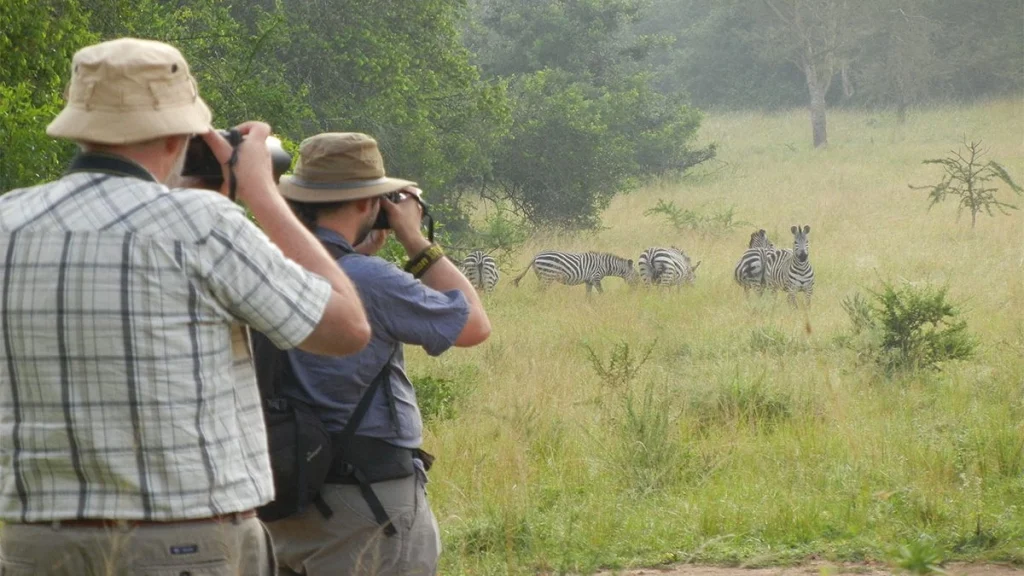
Are Walking Safaris in Uganda Safe?
As you plan a memorable Uganda safari, you might ask: Are walking safaris in Uganda safe? With its world-renowned Murchison Falls Safaris, thrilling Chimpanzee Tracking, and unforgettable Uganda Gorilla Trekking, Uganda offers more than vehicle-based wildlife viewing—it also invites you to step into the bush and walk alongside nature. At Saso Gorilla Safaris Uganda, safety is our priority, and this guide provides an in-depth and professional overview of walking safari safety, locations, guides, regulations, cultural considerations, and how you can enhance your journey with combined experiences—even extending to Gorilla Trekking Rwanda.
Introduction: Understanding Walking Safari Safety
Setting the Scene for Secure Exploration
Stepping onto a natural trail during your wildlife safari, you might naturally wonder: Are walking safaris in Uganda safe? The answer is yes, provided they are structured responsibly. Whenever you leave the safety of your vehicle, you enter a realm where wildlife, terrain, and weather interact closely. That said, Uganda’s walking safaris—conducted in parks like Murchison Falls Safaris, Queen Elizabeth (including Chimpanzee Tracking zones), and the forested paths around Uganda Gorilla Trekking—are supervised by licensed rangers and trained naturalists. Our professional team at Saso deploys best practices: small group sizes, emergency protocols, inter-park coordination, first-aid kits, and carefully monitored environments. In this article, we’ll clarify what makes these treks secure, where you can safely walk, and how Uganda’s regulations create a protected backdrop for immersive travel—whether you’re walking in the savannah, rainforest, or volcanic foothills.
Wildlife Awareness & Ranger Guidance
Expert-led Walks That Keep You Protected
One of the most vital answers to Are walking safaris in Uganda safe? lies in the presence of a professional guide. Walking safaris are always led by Uganda Wildlife Authority rangers and/or certified naturalist guides who are adept in wildlife behavior, local ecology, and risk management. Whether you’re strolling through Budongo Forest in Murchison Falls Safaris, approaching swampy forest floors near Kibale’s Chimpanzee Tracking sites, or treading bamboo trails en route to Uganda Gorilla Trekking, your guide constantly assesses signs: tracks, droppings, unusual birdcalls, even sudden silence. Important safety zones are mapped in advance, and group movements are calculated so wildlife (especially elephants, hippos, or primates) are given respectful distance. So yes—walking responsibly with expert supervision mitigates wildlife risk and ensures walking safaris in Uganda are safe.
Trail Selection & Terrain Suitability
Trail Choices That Reduce Risk & Increase Comfort
Another key factor in answering Are walking safaris in Uganda safe? involves choosing the right terrain. Uganda’s parks offer varied walking routes—riverine paths and waterfall hikes, well-beaten forest trails, gentle savannah strolls, and volcanic foothill treks. We select trails based on fitness, season, and wildlife patterns. In Murchison Falls, the Budongo canopy trail is flat and well-established. In Kibale, walks like Bigodi Swamp are on wooden boardwalks and suitable for most ages. In gorilla zones, treks like the Mubwindi or Bamboo Trails are moderate, but still marked and regulated by Uganda Wildlife Authority. Each trail is scouted daily, avoiding potential hazards (deep mud, thick brush or unstable slopes). When combined with ranger presence, the environment becomes a safe classroom for wildlife discovery.
Health Precautions & Emergency Readiness
First-Aid, Communication & Medical Planning
You might still ask: Are walking safaris in Uganda safe? From a health standpoint, Uganda is a tropical environment with variable temperatures, tropical rain, potential insect exposure, and rugged terrain. Our guides carry first-aid kits, communication radios or satellite phones, and water purification tools. Pre-trip, we coach you on essential vaccinations, encourage anti-malarial measures, and advise about footwear, hydration, and clothing. Walking safely means using gaiters (in gorilla forests or grass endemic zones), bringing insect spray and water, and preparing for changing weather. In rare cases of injury or illness, our team coordinates swift evacuation—either to a park ranger network or to Kampala’s medical facilities within hours. These robust protocols provide peace of mind when moving through Uganda’s wild.
Regulatory Framework & Park Guidelines
How Conservation Laws Ensure Hiking Safety
Beyond physical measures, a key answer to Are walking safaris in Uganda safe? can be found in legal protection. The Uganda Wildlife Authority enforces strict regulations—walks only permitted on designated trails, forest access overseen by rangers, no off-trail excursions, mandatory group sizes, and required safety briefings. For primate zones (Chimpanzee Tracking, Uganda Gorilla Trekking, and Gorilla Trekking Rwanda), permits include safety orientation and limit daily numbers to reduce stress on wildlife and visitors. Before you step into the forest, you receive thorough instruction on distances from gorillas, chimp etiquette, and emergency protocols. These legal guardrails create a highly regulated environment where walking safaris aren’t just allowed—they’re safely administered.
Cultural Context & Local Liaison
Respectfully Integrating With Communities
Your next concern might be cultural: Are walking safaris in Uganda safe? when entering village areas—not within wildlife zones, but near homesteads and farmlands. Saso Gorilla Safaris includes visits to Batwa villages, coffee gardens, salt-mining cooperatives, and Karamojong settlements. These cultural walks are arranged in collaboration with local guides and elders, ensuring mutual respect, permission, and meaning. You are accompanied by a guide fluent in local etiquette, so you can walk respectfully down homesteads, watch traditional demonstrations, or taste native food—with sensitivity, payment, and consent. This careful curation means that your safety and legacy in community engagement stay intact.
Combining Walking Safaris With Primate Experiences
A Safe Evolution from Walking to Chimp and Gorilla Treks
If you’re aiming to combine a walking safari with Chimpanzee Tracking or Uganda Gorilla Trekking, you might ask: Are walking safaris in Uganda safe?—the answer is direct: yes. Gorilla and chimp treks are among the most regulated walking safaris worldwide. Starting from parks and guided by armed rangers, each trek follows strict distance rules (7 meters for gorillas, variable for chimps), group-size limits (usually eight participants), and short viewing windows (1 hour). While Gorilla Trekking Rwanda plays by similar rules, Uganda‘s system is equally disciplined. So a walking safari leading into primate trekking is safe when conducted under UWA protocols—and when travellers respect instructions around noise, movement, and hygiene.
Client Stories & Site-Specific Safety
Real Experiences That Confirm Safety in Action
To illustrate: many guests have asked, “Are walking safaris in Uganda safe?” and recount peaceful forest dawns in Budongo where guides spotted rare black-capped apalis; or near Kidepo, finding ostriches at footsteps while shepherding by ranger. Walkers on the Mubwindi Trail report mist lifting from foliage as gorillas emerge—careful trails, no surprises, no vehicles, just nature. Families appreciate open, airy boat-path hikes around Lake Mburo, where walking is easy and wildlife close. These personal stories underline that, with Saso’s planning, walking safaris in Uganda are safe, rich, and unforgettable.
Combining Uganda Gorilla Trekking with Walking Safaris
Safe Integration of Foot Trails and Mountain Gorillas
When combining Uganda Gorilla Trekking with walking safari experiences, the answer to Are walking safaris in Uganda safe? remains yes—thanks to Saso’s protocols. A typical journey begins with a forest walk in Kibale or Mgahinga, helping guests acclimatize to walking conditions. On gorilla days, all participants receive a guided orientation. Once on the trail, teams move together in regulated time blocks. Our guides screen paths beforehand, mark slippery sections, and even assign porters for uneven terrain. The result? Guests enjoy primal forest walks, then experience gorilla sightings under the safest standards available—a secure, layered approach to walking safaris.
Extending Into Rwanda Safely
Cross-Border Hiking with Primates and Community
Finally, if you’re considering the seamless addition of Gorilla Trekking Rwanda, you’ll still wonder: Are walking safaris in Uganda safe? Absolutely. The same principles apply: licensed guides, armed rangers, regulated permits, restricted group sizes. Rwanda’s Volcanoes Park enforces rules comparable to Uganda’s. When crossing borders, we handle travel documentation, health checks, and ensure that your walking experience in Volcanoes NP—whether meeting gorillas or visiting Kinigi villages—is conducted under consistent emergency and safety protocols. Whether walking inside Uganda or across the border, you’re immersed in a secure, well-regulated primate and forest experience.
Final Thoughts: Confidence in Uganda’s Trails
A Summary of Walking Safety Essentials
In conclusion, when asking Are walking safaris in Uganda safe?, the answer is clearly yes. Every aspect—guided expertise, ranger oversight, trail selection, permit regulations, emergency infrastructure, community coordination—has been shaped to prioritize your safety and place you within nature respectfully. Uganda‘s walking safaris transform wildlife safaris into multi-sensory journeys—whether walking in Murchison Falls Safaris, exploring chimp zones in Kibale, trekking to Uganda Gorilla Trekking, or extending to Gorilla Trekking Rwanda.
If you’re ready to walk Uganda‘s forests, savannahs, and cultural trails, accompanied by secure guides and meaningful experiences, we invite you to join us. Let’s tailor a walking safari that safely blends wildlife, culture, and adventure into the journey of a lifetime.