
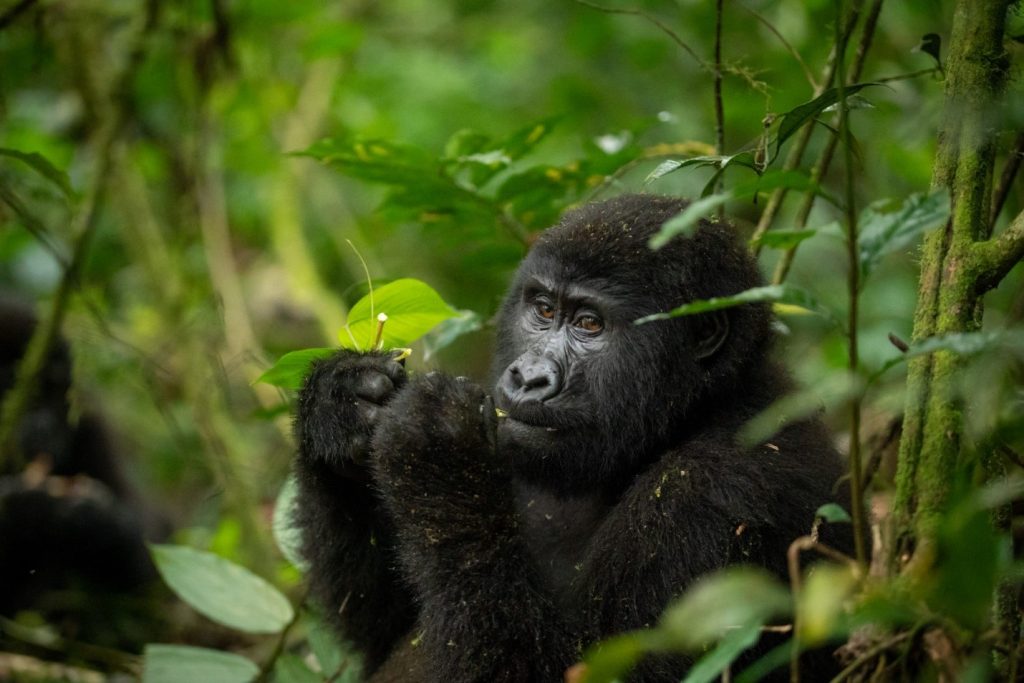
Are Chimpanzees Endangered: Why Are Chimpanzees Dangerous?
The question “Are Chimpanzees Endangered: Why Are Chimpanzees Dangerous?” opens a powerful and necessary conversation surrounding the conservation of one of humanity’s closest relatives. At the heart of this question lies a concerning reality: chimpanzees are indeed endangered. According to the International Union for Conservation of Nature (IUCN), chimpanzees are listed as endangered due to drastic declines in their populations across equatorial Africa. Once widespread across the continent, these intelligent primates now face a barrage of threats—ranging from habitat destruction and poaching to disease and illegal wildlife trade. The survival of the species is hanging by a thread, prompting urgent calls for conservation efforts.
The phrase “Are Chimpanzees Endangered: Why Are Chimpanzees Dangerous?” also invites an exploration of their behavior. While chimpanzees can exhibit aggressive behavior, this is often a response to threats or competition rather than inherent hostility. Understanding their behaviors in the context of their natural environment is essential for fostering coexistence and respect for wildlife. Furthermore, chimpanzees are not only victims of environmental pressures but also cultural icons and ecological cornerstones. Their protection is deeply intertwined with preserving biodiversity and promoting sustainable tourism, such as gorilla and chimpanzee trekking safaris in Uganda and Rwanda.
Habitat Loss and Human Encroachment: The Greatest Threat
One of the primary drivers behind the endangered status of chimpanzees is habitat destruction, which plays a dominant role in the narrative “Are Chimpanzees Endangered: Why Are Chimpanzees Dangerous?” Across Central and West Africa, lush forests that once supported large populations of chimpanzees are rapidly vanishing due to human expansion. Agricultural activities, commercial logging, mining, and urban development are pushing deeper into previously untouched forests. This encroachment fragments the chimpanzees’ natural habitat, limiting their access to food sources, mating opportunities, and secure nesting areas.
As forests shrink, chimpanzee populations become isolated, leading to inbreeding and reduced genetic diversity. Fragmented habitats also mean that chimpanzees must travel longer distances, often entering human-dominated areas where conflict arises. It is in these contexts that humans may perceive chimpanzees as dangerous, especially when they compete for food or accidentally damage crops. However, the real danger lies in the unsustainable practices that threaten chimpanzees’ very existence.
Incorporating eco-tourism activities such as chimpanzee trekking in Uganda’s Kibale National Park and Budongo Forest creates an economic incentive to preserve these habitats. These experiences also educate visitors on the importance of forest conservation, enabling them to contribute to safeguarding the environment. Moreover, this conservation-centric tourism model can be beautifully combined with Uganda Gorilla Trekking for an all-encompassing primate safari.
Illegal Wildlife Trade and Poaching: A Persistent Menace
The question “Are Chimpanzees Endangered: Why Are Chimpanzees Dangerous?” cannot be fully addressed without delving into the impact of illegal wildlife trade. Chimpanzees are frequently targeted by poachers for various reasons. Some are hunted for bushmeat—a practice that remains prevalent in several African regions. Others, particularly infants, are captured alive to be sold into the exotic pet trade or for use in entertainment industries. These practices not only diminish wild populations but also inflict immense trauma on the chimpanzees.
Even with international agreements such as CITES (Convention on International Trade in Endangered Species), enforcement remains a challenge due to weak legal systems, corruption, and high market demand. Trafficked chimpanzees often endure inhumane conditions, and the survival rate for captured infants is tragically low. The phrase “Are Chimpanzees Endangered: Why Are Chimpanzees Dangerous?” thus underscores a grim irony—humans pose the greatest danger to chimpanzees, not the other way around.
Conservation programs in Uganda and Rwanda are working tirelessly to combat poaching. Organizations collaborate with local communities to create awareness, provide alternative livelihoods, and establish protected areas. Safaris organized by companies like Saso Uganda Safaris offer a responsible way to interact with chimpanzees, supporting anti-poaching initiatives through eco-tourism revenue. Visitors can also engage in cultural experiences such as visiting the Batwa communities or participating in village walks that highlight local traditions and conservation stories.
Disease Transmission and the Human-Wildlife Interface
Disease is another critical factor in the discussion: “Are Chimpanzees Endangered: Why Are Chimpanzees Dangerous?” As chimpanzees share over 98% of their DNA with humans, they are highly susceptible to many of the same pathogens. Respiratory infections, Ebola, and other zoonotic diseases have caused significant declines in chimpanzee populations, particularly in areas where humans and wildlife frequently interact.
Human encroachment into chimpanzee habitats increases the risk of cross-species disease transmission. Researchers and tourists can unknowingly transmit illnesses, even with minimal contact. This has prompted strict health guidelines for primate trekking, including the use of face masks, maintaining distance, and proper sanitation measures. These precautions are critical not only for protecting chimpanzees but also for ensuring the safety of visitors.
Despite the dangers posed by disease, trekking experiences remain one of the most impactful ways to foster appreciation for wildlife. Whether it’s chimpanzee tracking in Kibale Forest or Nyungwe Forest in Rwanda, these guided adventures are structured to prioritize animal welfare. For a more immersive journey, travelers can opt to combine chimp trekking with Uganda Gorilla Trekking in Bwindi Impenetrable Forest, offering a rare opportunity to connect deeply with our closest relatives in their natural environments.
Where to See Chimpanzees in Uganda and Rwanda
A key aspect of the article “Are Chimpanzees Endangered: Why Are Chimpanzees Dangerous?” is guiding travelers on where to observe chimpanzees in the wild. Uganda and Rwanda both boast exceptional destinations for chimpanzee trekking, each offering a unique ecosystem and experience.
In Uganda, Kibale National Park stands out as the premier location. It is home to over 1,500 chimpanzees and is often referred to as the “Primate Capital of the World.” Visitors can enjoy thrilling guided treks through lush tropical forests, led by expert guides who share detailed knowledge about chimpanzee behavior and social dynamics.
Budongo Forest, located within the Murchison Falls Conservation Area, is another stunning location with ancient trees and well-maintained trails. Trekkers often encounter chimpanzees in their natural routines—feeding, grooming, and swinging from branches—making it an ideal site for photography and education.
In Queen Elizabeth National Park, the Kyambura Gorge offers a dramatic landscape where chimpanzees inhabit a forested valley surrounded by savannah. Trekking here provides a rare juxtaposition of rainforest and wildlife-rich plains, ideal for a comprehensive safari experience.
In Rwanda, Nyungwe Forest National Park is a dense, high-altitude rainforest known for its rich biodiversity. Guided chimpanzee tracking expeditions offer the chance to encounter these primates amidst towering trees and a vibrant chorus of birds. Nyungwe also allows visitors to combine chimpanzee tracking with canopy walks, bird watching, and golden monkey tracking.
Integrating Cultural Experiences and Gorilla Trekking Safaris
One of the most enriching ways to explore the theme “Are Chimpanzees Endangered: Why Are Chimpanzees Dangerous?” is to weave in cultural and conservation-based experiences. In Uganda, travelers can immerse themselves in local life by engaging in community tours, traditional dance performances, and craft-making with indigenous groups like the Batwa or Batooro people. These cultural experiences deepen the understanding of the human-wildlife relationship and highlight how traditional knowledge contributes to conservation.
Additionally, for travelers seeking a comprehensive primate safari, there is the exceptional opportunity to combine chimpanzee trekking with Uganda Gorilla Trekking. In Bwindi Impenetrable National Park, visitors can experience the awe-inspiring encounter with endangered mountain gorillas. The emotional resonance of locking eyes with a gorilla in the misty highlands complements the dynamic social interactions observed among chimpanzees. This dual experience not only offers a profound connection to nature but also supports broader conservation initiatives across multiple species.
Companies like Saso Uganda Safaris specialize in crafting customized itineraries that combine chimpanzee and gorilla tracking, scenic tours, and cultural visits. These holistic journeys allow travelers to witness the magic of Africa while playing an active role in preserving its most vulnerable species.
Conclusion: Protecting Chimpanzees for Future Generations
In summary, the core question—”Are Chimpanzees Endangered: Why Are Chimpanzees Dangerous?”—is more than an inquiry; it is a call to action. Chimpanzees are indeed endangered, facing multifaceted threats that demand urgent and collective intervention. From habitat destruction and illegal trade to disease and human conflict, their survival is intricately tied to our actions.
Understanding why chimpanzees might be perceived as dangerous is equally important. In most cases, their aggression is a reflection of stress, competition, or self-defense in rapidly changing environments. Rather than fearing these intelligent beings, we must learn to respect and protect them.
Uganda and Rwanda offer unparalleled opportunities to observe and understand chimpanzees in the wild. With responsible tourism options such as chimpanzee trekking and Uganda Gorilla Trekking, combined with enriching cultural experiences, travelers can contribute meaningfully to conservation efforts. Guided by organizations like Saso Uganda Safaris, visitors embark on journeys that inspire, educate, and create lasting impacts—for themselves and for the world’s remaining chimpanzees.