

Gorillas, Golden Monkey, and Chimpanzee Trekking in Rwanda and Uganda for People with Disabilities and the Elderly/Seniors
Gorillas, Golden Monkey, and Chimpanzee Trekking in Rwanda and Uganda for People with Disabilities and the Elderly/Seniors. Trekking to see gorillas, golden monkeys, and chimpanzees in the wild is a once-in-a-lifetime experience, particularly in the biodiverse landscapes of Rwanda and Uganda. These countries are home to iconic national parks like Bwindi Impenetrable Forest, Volcanoes National Park, and Kibale Forest, where adventurers can encounter endangered species in their natural habitats. However, for individuals with disabilities or elderly travelers, the physical demands of trekking can present unique challenges. Recognizing this, both Rwanda and Uganda have developed inclusive trekking experiences to ensure that people of all abilities can enjoy these incredible wildlife encounters. Saso Uganda Safaris offers specialized safari packages that cater to the needs of disabled and elderly travelers, ensuring their safety, comfort, and unforgettable experiences.
Accessibility and Support Systems in National Parks
One of the key considerations for people with disabilities or elderly travelers is the accessibility of national parks and trekking trails. Both Rwanda and Uganda have taken significant steps to make their parks more inclusive, offering accessible infrastructure and support systems for primate trekking. In Uganda’s Bwindi Impenetrable National Park and Rwanda’s Volcanoes National Park, specialized trekking chairs are available for those who may not be able to walk long distances or traverse uneven terrain. These locally crafted chairs are operated by trained porters who guide visitors through the forests, ensuring their comfort and safety throughout the journey.
Additionally, park authorities and tour operators are highly experienced in handling the needs of elderly or disabled trekkers. They work closely with travelers to assess their physical condition, provide necessary equipment such as walking sticks, and assign dedicated porters to assist them along the trek. This level of support allows travelers to immerse themselves in the beauty of these natural environments without worrying about physical strain. The inclusion of such services ensures that gorilla, golden monkey, and chimpanzee trekking remains accessible to all, regardless of physical limitations.

Hiking Rwenzori and Gorilla Trekking
Tailored Trekking Experiences for the Elderly and Disabled
For elderly and disabled individuals, trekking routes are tailored to match their physical capabilities. When arranging a gorilla, chimpanzee, or golden monkey trek, tour operators collaborate with park authorities to assign visitors to a trekking group that fits their level of fitness. In both Rwanda and Uganda, groups are organized based on the anticipated difficulty of the trek, with less strenuous routes being designated for the elderly or those with limited mobility. These routes are typically shorter, less steep, and more manageable, offering an easier way to encounter the primates.
For example, in Bwindi and Volcanoes National Parks, some gorilla families reside in areas that are easier to reach. These routes are chosen specifically for travelers who may require additional assistance. The trekking experience remains just as thrilling, as visitors still have the chance to come face-to-face with gorillas or golden monkeys in their natural habitat. Similarly, chimpanzee trekking in Kibale Forest can be customized to ensure a comfortable experience for all participants, allowing them to witness the primates’ behaviors and interactions without exerting excessive physical effort.
Porter Assistance: A Key to Successful Trekking
Porters play an essential role in making primate trekking possible for people with disabilities and elderly travelers. These porters, often recruited from local communities, are specially trained to assist trekkers with mobility challenges. They not only carry personal belongings but also provide physical support by offering their hand or using trekking chairs to transport those who need additional assistance. For elderly travelers who may tire easily or for individuals with mobility impairments, this service is invaluable.
The porter’s role extends beyond physical support—they also ensure the safety and well-being of the trekker throughout the journey. Their intimate knowledge of the terrain, combined with their strength and experience, makes them indispensable companions on any primate trekking adventure. The hiring of porters is highly recommended for people with disabilities and seniors, as it significantly enhances their ability to complete the trek successfully and enjoy the experience without feeling overwhelmed by the physical demands.
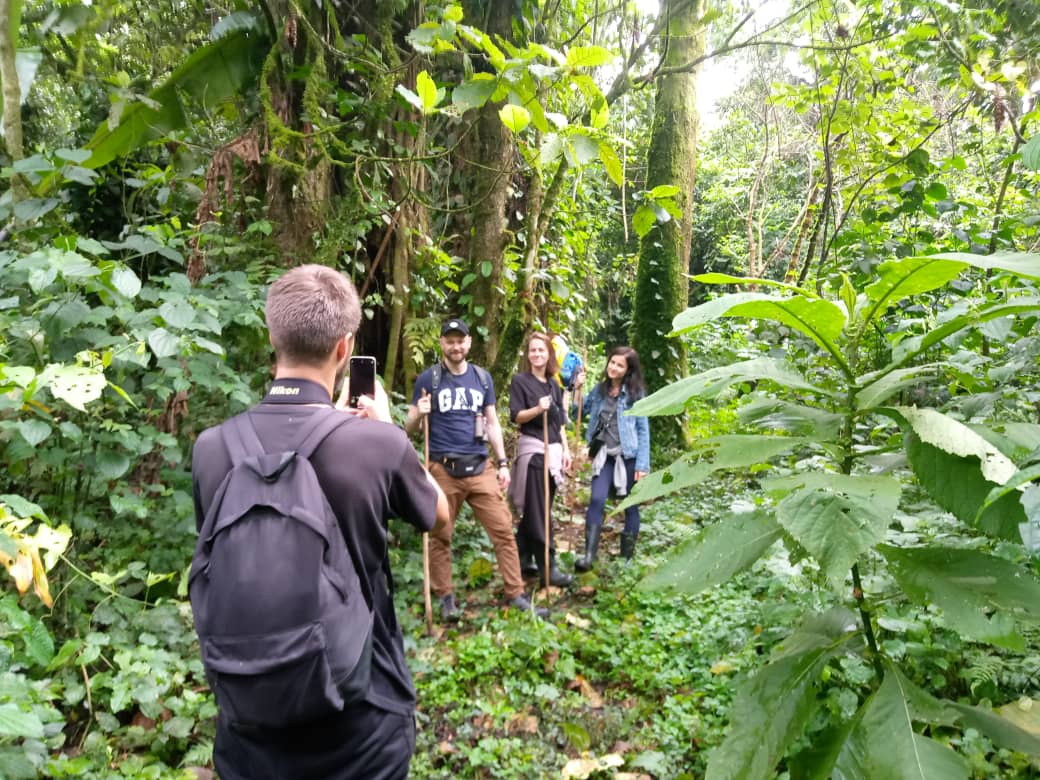
Uganda Gorilla Trekking
Luxury and Comfortable Lodging Options
Accommodation is another important consideration for elderly travelers and those with disabilities, and both Uganda and Rwanda offer a variety of lodges and camps that cater to the specific needs of such visitors. Luxury lodges, such as Sanctuary Gorilla Forest Camp in Uganda and Sabyinyo Silverback Lodge in Rwanda, provide accessible rooms and facilities designed with comfort in mind. These lodges offer features such as wheelchair-accessible rooms, level pathways, and staff trained to assist guests with mobility challenges.
After a day of trekking, elderly and disabled travelers can enjoy the amenities offered by these lodges, such as spas, private verandas with views of the forest, and gourmet dining experiences. The combination of accessible accommodation and proximity to national parks allows visitors to relax and rejuvenate between trekking excursions. For those who may not be able to participate in full-day treks, lodges also offer other activities, including cultural visits and birdwatching, allowing guests to experience the rich biodiversity and cultural heritage of Uganda and Rwanda without the physical strain of trekking.
Health and Safety Considerations for Seniors and Disabled Travelers
Health and safety are paramount when planning primate trekking for elderly or disabled individuals. Prior to embarking on a trek, it is important for travelers to disclose any health concerns or mobility issues to their tour operator. This allows for proper planning, including securing any necessary medications, preparing for altitude adjustments, and ensuring that the trek is tailored to their physical condition. Tour operators, such as Saso Uganda Safaris, work closely with park authorities to provide customized itineraries that include rest breaks, slower pacing, and appropriate medical support if needed.
In addition, park rangers and guides are trained to monitor the physical well-being of all trekkers, offering immediate assistance in case of fatigue or health-related issues. For elderly travelers, altitude can sometimes pose a challenge, particularly in areas like Volcanoes National Park, where trekking can reach elevations of over 2,500 meters. To mitigate these risks, porters carry extra water, provide oxygen when necessary, and monitor trekkers’ responses to the altitude throughout the trek. This attention to health and safety ensures that all participants can safely enjoy their trekking experience.

Chimpanzee Trekking Travel Tips
Empowering Communities through Inclusive Tourism
Beyond the personal benefits for elderly and disabled travelers, primate trekking in Rwanda and Uganda plays a significant role in empowering local communities. By providing employment opportunities for porters, guides, and lodge staff, inclusive tourism fosters economic growth in rural areas. Many porters who assist disabled or elderly trekkers come from communities that surround the national parks, where tourism is often a primary source of income.
Inclusive tourism not only benefits the traveler but also helps protect the natural environment. When local communities are directly involved in tourism, they are more likely to engage in conservation efforts, ensuring the preservation of endangered species like gorillas and golden monkeys. By making primate trekking accessible to all, both Rwanda and Uganda are demonstrating that eco-tourism can be both inclusive and sustainable, benefiting both people and wildlife.
Conclusion: Memorable and Accessible Primate Adventures
Gorilla, golden monkey, and chimpanzee trekking in Rwanda and Uganda are no longer experiences limited to the physically able. With a range of tailored services, such as accessible trekking routes, the use of porters, and luxury accommodations, Saso Uganda Safaris offers exceptional trekking experiences for people with disabilities and elderly travelers. Whether it’s the awe-inspiring sight of mountain gorillas in Volcanoes National Park or the thrill of tracking chimpanzees in Kibale Forest, these unforgettable encounters are now within reach for everyone.
Inclusive trekking not only enriches the lives of participants but also contributes to the conservation of endangered species and the development of local communities. For disabled and elderly travelers, Rwanda and Uganda provide an opportunity to connect with nature, enjoy the majesty of primates in their natural habitats, and experience the beauty of African landscapes without limitations. With careful planning, support, and accessibility measures in place, these adventures can be enjoyed by all.

gorilla trekking in Uganda
Best Top 15 Uganda Safaris
- Murchison Falls Tour Safari
- Lake Mburo National Park Safari
- Gorilla Trek Africa & Uganda Wildlife Safari
- Wildlife and Gorilla Trekking Uganda Safari
- Gorillas and Chimpanzee Trekking Uganda Safari
- Murchison Falls Big 5 Safari and Jinja Source of the Nile
- Primates Safari Uganda – Gorilla Trekking & Chimpanzee Safari
- Uganda Gorillas & Wildlife Safari
- Gorillas and Savanna Safari
- Uganda Chimpanzee and Gorilla Trekking Safari
- Uganda Wildlife & Primates Safari
- Gorilla Trek Uganda & Wildlife Safari
- Gorilla Trek Uganda & Wildlife Safari
- Uganda Wildlife Holiday Adventure Safari
- Uganda Primates & Wildlife Safari
Best Of Kenya Safari And National Parks
- 3 Days Best Of Maasai Mara Budget Safari
- 3 Days Maasai Mara Luxury Safari In Kenya
- 4 Days Private Luxury Safari
- 4 Days Maasai Mara Budget Safari
- 5 Days Affordable Safari
- 5 Days Luxurious Safari
Best Of Tanzania Safari and National Parks
- 4 Days Safari In Northern Tanzania
- 5 Days Safari In Northern Tanzania
- 6 Days Safari In Northern Tanzania
- 8 Days Machame Route
- 7 Days Marangu Route
- 9 Days Climb Via Machame Route
Rwanda Safaris Tour Holidays
- Ultimate Rwanda Safari Adventure
- Best of Rwanda Safari
- Primates & Gorilla Tour
- Rwanda Primates Safari
- Best of Rwanda Safari
- Rwanda Gorilla Trek & Lake Kivu expedition
- Gorilla Trekking Rwanda & Wildlife Safari
- Mountain Gorilla Trek & Cultural Gala Rwanda
- Rwanda Mountain Gorillas & Golden Monkey Trekking Safari
- Rwanda gorilla Safari