
How Hard Is the Gorilla Trek in Rwanda?
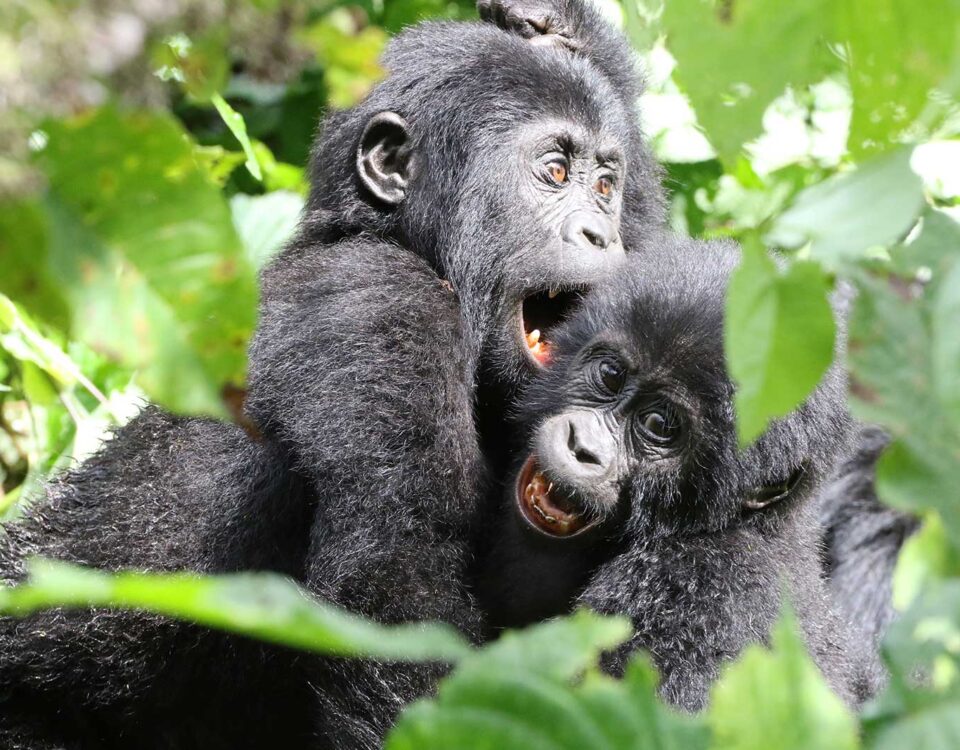
Embarking on a Gorilla Trekking Rwanda adventure is a once-in-a-lifetime experience that combines the thrill of wildlife exploration with the serenity of nature. However, many prospective trekkers often wonder: How hard is the gorilla trek in Rwanda? Understanding the challenges and preparing adequately can ensure that your journey is both enjoyable and memorable. This comprehensive guide delves into the factors influencing the difficulty of gorilla trekking in Rwanda, offering insights to help you prepare for this extraordinary adventure.
Understanding the Terrain and Elevation:(How Hard Is the Gorilla Trek in Rwanda?)
Volcanoes National Park: A Rugged Landscape
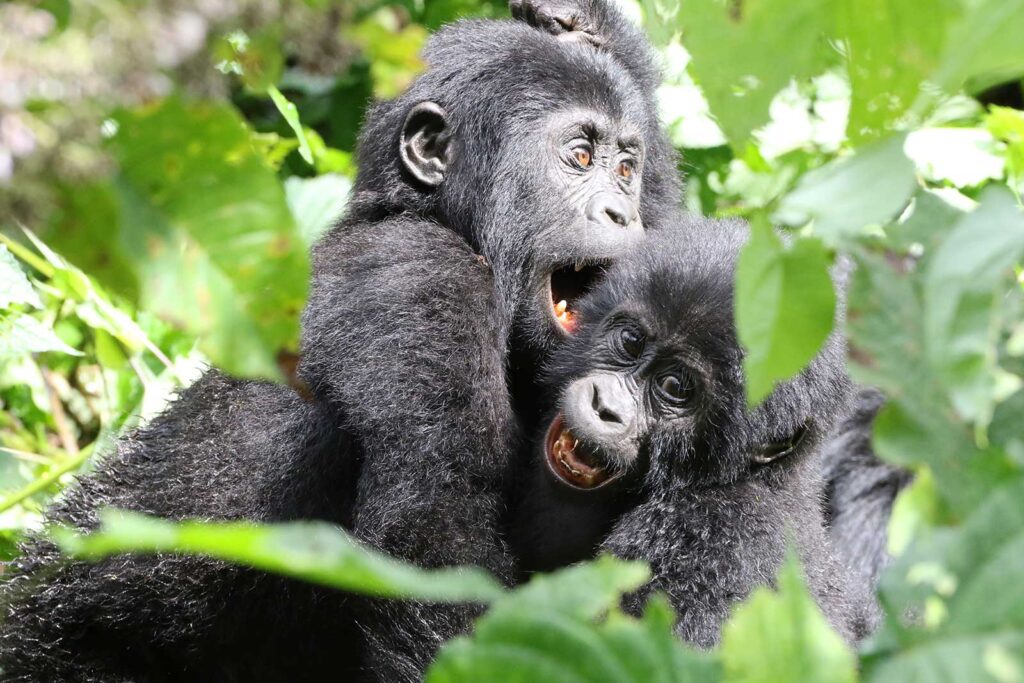
Gorilla trekking in Rwanda primarily takes place in Volcanoes National Park, situated in the Virunga Mountains. The park’s terrain is characterized by steep slopes, dense forests, and uneven trails, which can make the trek physically demanding. The elevation ranges from 2,400 to 4,507 meters (7,874 to 14,787 feet) above sea level, posing potential challenges for those unaccustomed to high altitudes.
Impact of Altitude on Trekking Difficulty
The high altitude can lead to symptoms of mild altitude sickness, such as shortness of breath, fatigue, dizziness, or headaches. To mitigate these effects, it’s advisable to spend a day or two in Kigali or other lower-altitude areas before embarking on the trek. This acclimatization period allows your body to adjust, reducing the risk of altitude-related discomfort.
Physical Fitness and Preparation
Assessing Your Fitness Level
While there are no strict physical requirements for gorilla trekking, being in good physical condition can significantly enhance your experience. The trek involves hiking through dense vegetation, navigating steep inclines, and sometimes enduring muddy and slippery trails, especially during the rainy season. Individuals who engage in regular physical activities such as hiking, jogging, or swimming may find the trek more manageable.
Training Recommendations
Prior to your trip, it’s beneficial to engage in cardiovascular exercises to build endurance and strength. Incorporating activities that simulate hiking, such as stair climbing or walking on uneven surfaces, can prepare your body for the trek’s demands. Additionally, consulting with a healthcare professional before your journey can provide personalized advice based on your health status.
Duration and Group Assignments
Varying Trek Durations
The duration of the gorilla trek can vary depending on the location of the gorilla family and the day’s conditions. On average, treks last between 1 to 6 hours, with some groups being closer to the starting point than others. It’s important to note that the trek’s duration does not necessarily correlate with its difficulty; some shorter treks can be more challenging due to steep terrain or weather conditions.
Group Assignments Based on Fitness Levels
Trekkers are typically assigned to gorilla groups based on their fitness levels. For instance, the Susa Group, known for its challenging terrain, is often assigned to more physically fit individuals, while the Sabyinyo Group, located at a lower elevation, may be more accessible for those with moderate fitness levels. It’s advisable to communicate your fitness level to your tour operator to ensure appropriate group assignments.
Weather Conditions and Their Impact
Rain and Muddy Trails
Rwanda‘s tropical climate means that rain can occur at any time, making trails slippery and challenging to navigate. The rainy seasons, from March to May and October to December, can make the trails particularly muddy and difficult. However, these conditions also bring the advantage of gorillas descending to lower elevations to escape the colder temperatures, potentially making sightings more frequent.
Preparation for Weather Variability
Given the unpredictable weather, it’s essential to be prepared for both rain and sunshine. Wearing waterproof clothing, sturdy hiking boots, and carrying insect repellent can help mitigate the challenges posed by the weather. Additionally, bringing a good-quality camera to capture the experience is recommended.
Support Services and Accessibility
Porters and Their Role
Hiring a porter is highly recommended during the trek. Porters assist with carrying personal belongings and can provide support in navigating challenging sections of the trail. Their assistance not only eases the physical demands of the trek but also supports the local community, as porters are often from nearby villages.
Assistance for Those with Limited Mobility
For individuals with limited mobility or those who may find the trek particularly challenging, specialized services are available. Stretcher services can be arranged in advance, allowing individuals to be carried to and from the gorillas. This service ensures that everyone has the opportunity to experience gorilla trekking, regardless of physical limitations.
Cultural Experiences and Additional Activities
Engaging with Local Communities
Beyond gorilla trekking, Rwanda offers rich cultural experiences. Visitors can engage with local communities, such as the Batwa Pygmies, to learn about traditional lifestyles and customs. These interactions provide a deeper understanding of Rwanda‘s heritage and contribute to the sustainable development of local communities.
Exploring Rwanda’s Natural Beauty
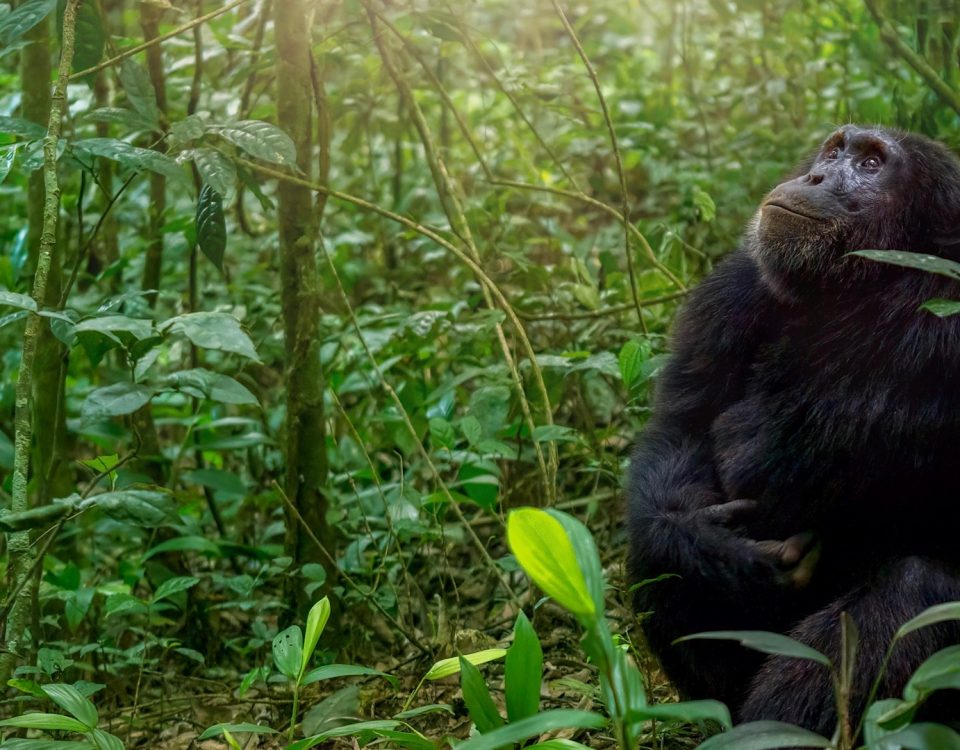
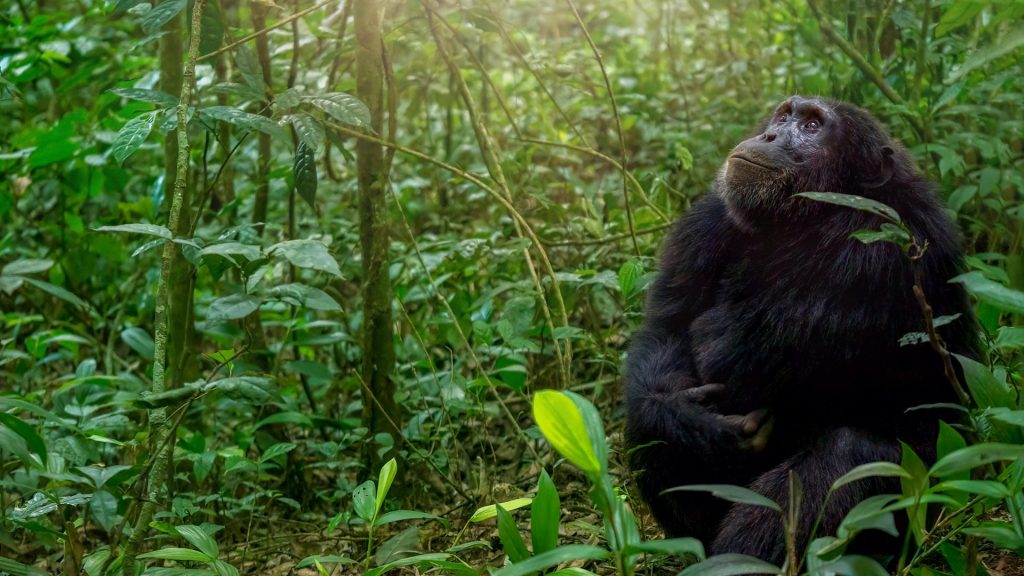
Rwanda‘s diverse landscapes offer numerous opportunities for exploration. Visitors can embark on wildlife safaris in Akagera National Park, home to the “Big Five,” or visit Nyungwe Forest National Park for chimpanzee tracking. Lake Kivu, with its serene waters and surrounding hills, provides a tranquil setting for relaxation.