
Research Students Tours in East Africa
A Transformative Academic Adventure in East Africa Research Students Tours in East Africa present a rare and enriching opportunity for scholars to merge academic exploration with immersive cultural and ecological encounters. These unique educational tours are specifically tailored for research-oriented students and scholars interested in disciplines such as anthropology, environmental science, public health, wildlife conservation, and more. Spanning Uganda, Rwanda, Kenya, and Tanzania, these academic safaris allow students to engage in hands-on fieldwork, data collection, and cross-cultural exchange while discovering the breathtaking natural beauty and biodiversity of East Africa.
From Uganda Gorilla Trekking in Bwindi Impenetrable Forest to Chimpanzee Tracking in Kibale, and observing the Great Migration in Tanzania, students can experience practical applications of their studies in real-time environments. The combination of academic enrichment, wildlife safari adventures, and community engagement ensures that Research Students Tours in East Africa offer a comprehensive and life-changing educational experience. Organized by Saso Uganda Safaris, these tours also make it possible to seamlessly combine Uganda Gorilla Trekking with other wildlife and cultural activities, offering a well-rounded and memorable East African adventure.
Uganda: The Pearl of Africa for Student Researchers
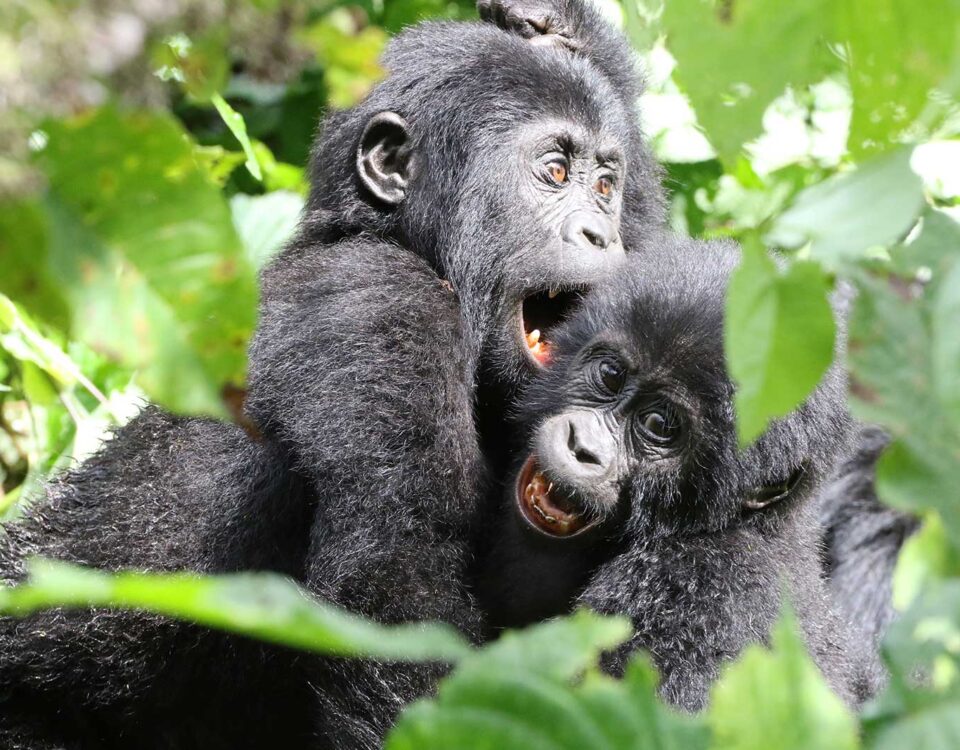
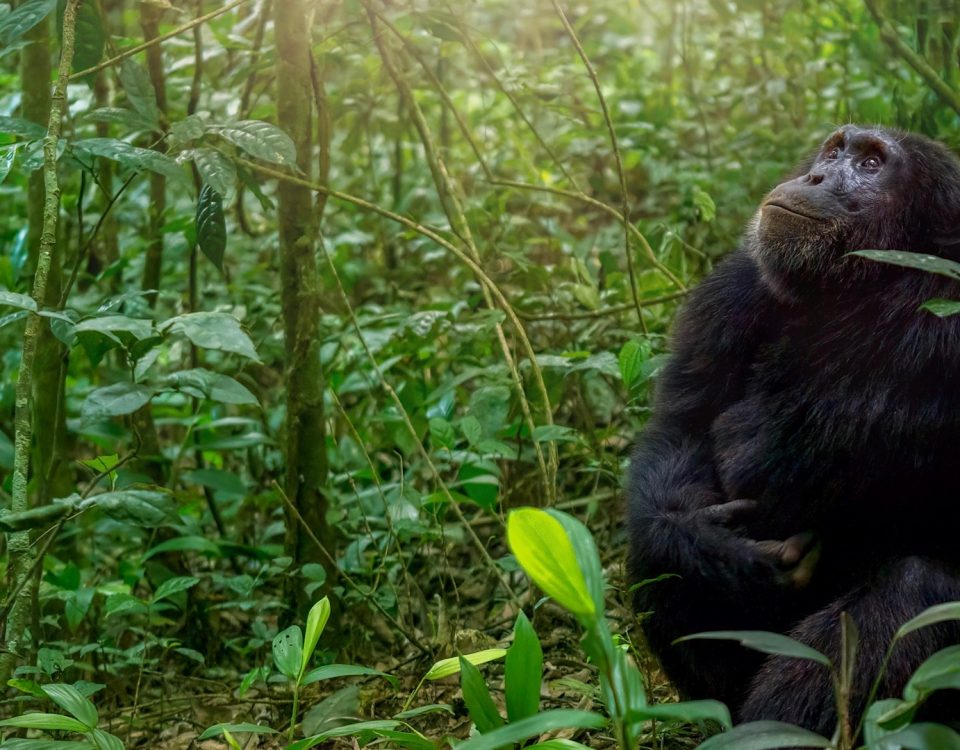
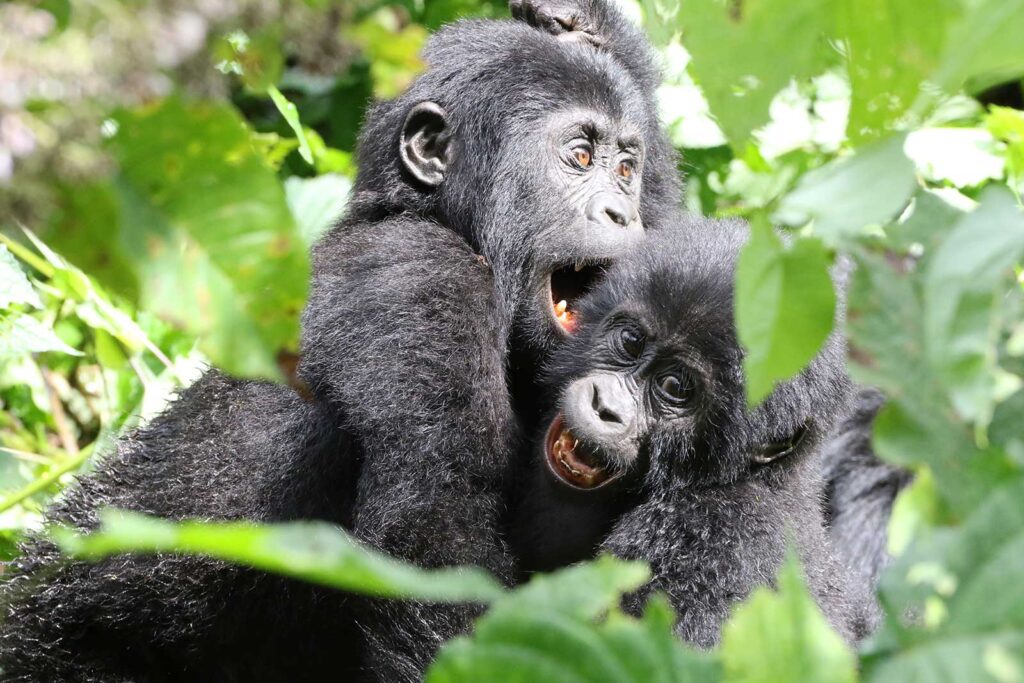
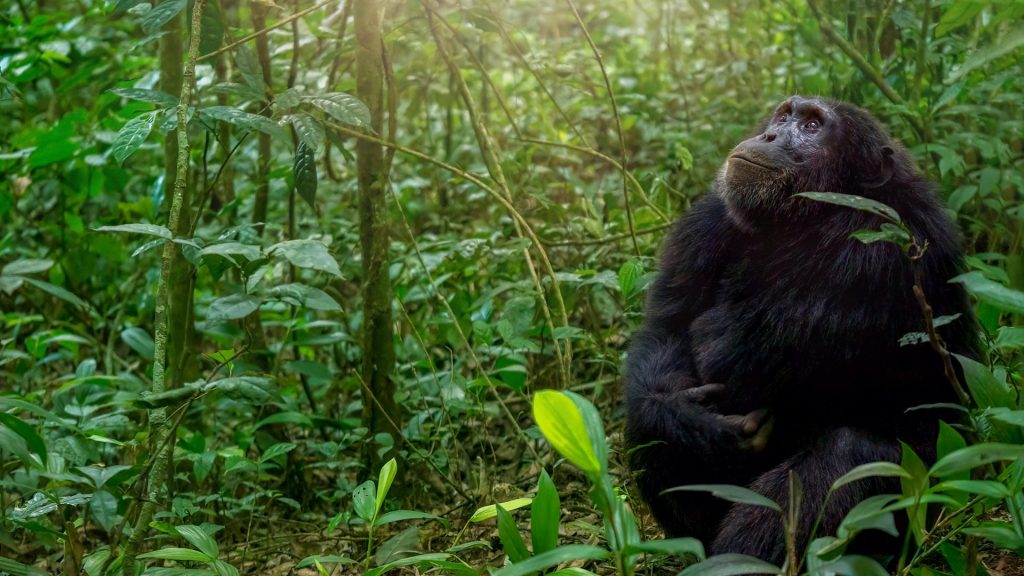
Biodiversity, Culture, and Academic Engagement in Uganda, famously referred to as the “Pearl of Africa,” serves as a hub for students on Research Students Tours in East Africa. With its extensive national parks, tropical rainforests, and diverse cultural communities, Uganda provides the perfect backdrop for both academic inquiry and adventurous exploration. One of the most captivating aspects of these tours is Uganda Gorilla Trekking in the misty jungles of Bwindi Impenetrable National Park. Here, students can study primate behavior and conservation practices while tracking endangered mountain gorillas in their natural habitat. In Kibale National Park, renowned for its high population of chimpanzees, students participate in Chimpanzee Tracking, observing these intelligent primates and learning about their social dynamics and forest ecology.
Research Students Tours in Uganda also explore Murchison Falls National Park and Queen Elizabeth National Park, offering opportunities for ecological surveys, bird watching, and wildlife safari expeditions. These parks provide rich grounds for studying ecosystem dynamics, climate change impacts, and conservation strategies. Additionally, students are introduced to Uganda’s vibrant cultural heritage through village walks, traditional dance performances, and community-based tourism experiences. Visits to local schools, health centers, and artisan workshops help broaden their understanding of rural development and socio-economic challenges. Combining Uganda Gorilla Trekking with these diverse learning experiences ensures a deeply enriching and holistic academic tour. Organized by Saso Uganda Safaris, these tailored programs support ethical research practices, sustainable tourism, and meaningful community engagement.
Rwanda: A Sanctuary of Conservation and Culture
Academic Exploration Through Gorilla Trekking Rwanda and Community Engagement Rwanda stands out as a shining example of conservation success and cultural resilience, making it an ideal destination for Research Students Tours in East Africa. Its remarkable biodiversity, political stability, and well-preserved natural landscapes create a safe and informative environment for student research. One of the major highlights is Gorilla Trekking Rwanda in the renowned Volcanoes National Park. Here, students engage in close observation of mountain gorillas while gaining insights into primate ecology, conservation biology, and the positive impact of eco-tourism.
Research Students Tours in Rwanda extend beyond gorilla tracking. Students may explore Akagera National Park, a rejuvenated savannah ecosystem home to lions, elephants, and a variety of antelopes. This park serves as a case study in ecosystem restoration, providing firsthand exposure to rewilding efforts and community-inclusive conservation models. Moreover, trips to Kigali offer a chance to study urban development, post-genocide recovery, and public health infrastructure. Visits to the Kigali Genocide Memorial Center and local NGOs foster deeper understanding of Rwanda’s historical and socio-political evolution.
Cultural immersion plays a central role in Research Students Tours in Rwanda. Students interact with traditional communities, learn about Rwandan crafts and music, and participate in agricultural activities that illustrate sustainable livelihoods. Combining Gorilla Trekking Rwanda with such academic and cultural experiences creates a balanced and profound exploration of the country. Saso Uganda Safaris expertly curates these experiences to align with research goals and maximize educational value.
Kenya: Where Ecology, Anthropology, and Public Health Intersect
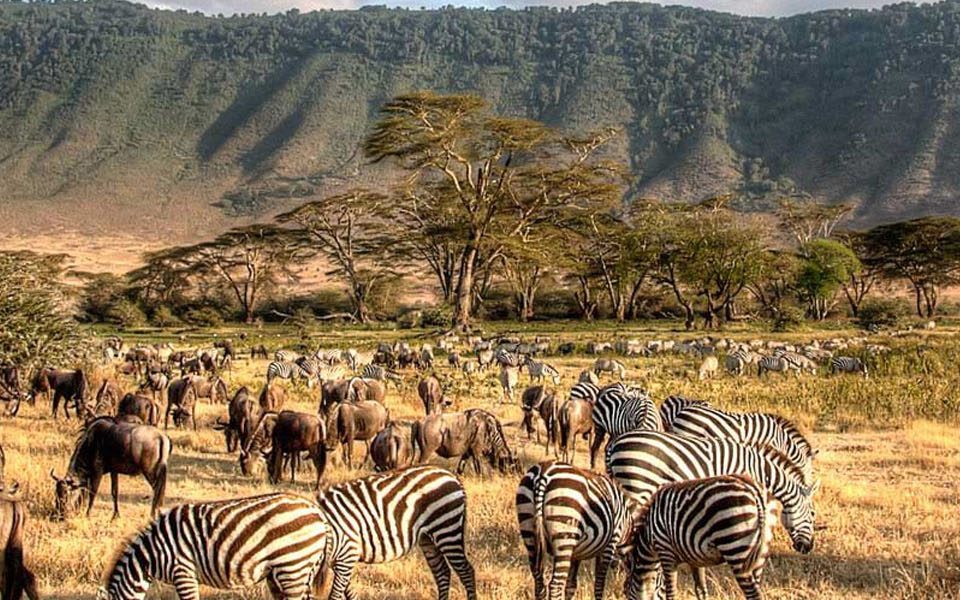
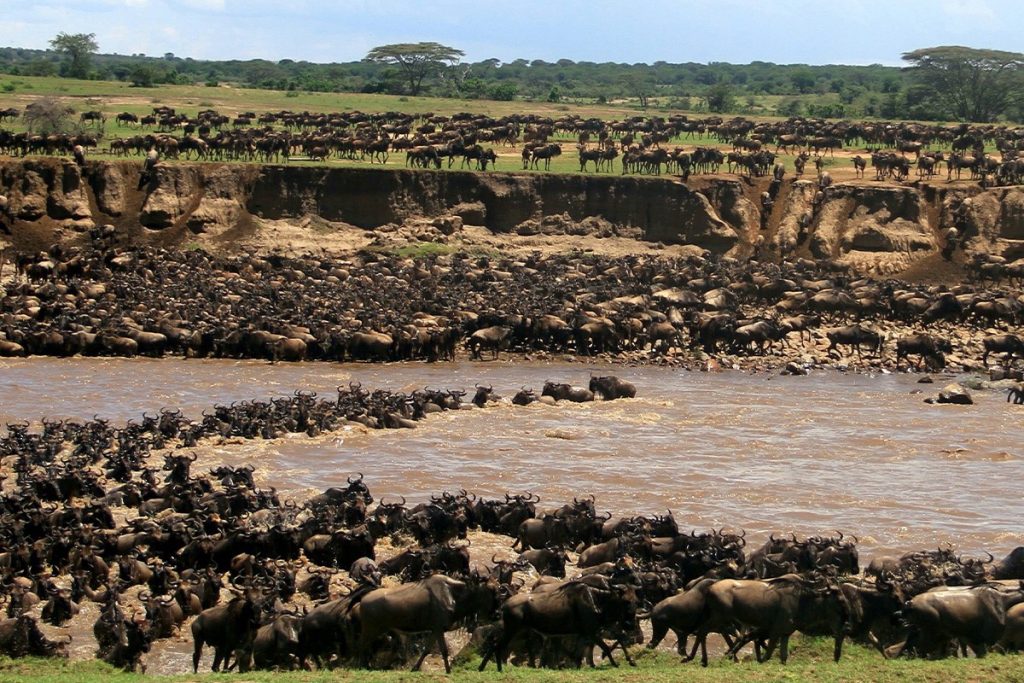
Diverse Ecosystems and Human Cultures for In-Depth Field Research Kenya’s landscapes, from the savannahs of the Maasai Mara to the highlands around Mount Kenya, offer unmatched opportunities for interdisciplinary research. Research Students Tours in East Africa often choose Kenya for its vast ecological diversity and well-established research institutions. In the Maasai Mara National Reserve, students can conduct wildlife behavior studies, particularly during the dramatic Great Migration. This annual event allows research into species interactions, predator-prey dynamics, and the impacts of tourism on wildlife.
Lake Nakuru and Amboseli National Parks provide additional venues for studying avian biodiversity, climate change effects, and conservation challenges. These parks are also ideal for students focusing on environmental policy and sustainable land use. Research Students Tours in Kenya often include public health and anthropology students who explore community-based healthcare initiatives, urban health challenges, and traditional healing practices. Working with NGOs and local health clinics, students gather valuable data and witness the complexities of healthcare delivery in resource-limited settings.
Culturally, Kenya is a mosaic of ethnic traditions and languages. Students interact with communities such as the Maasai, Samburu, and Kikuyu to understand indigenous knowledge systems, rites of passage, and the role of traditional governance. Through cultural exchanges, homestays, and storytelling, students gain unique anthropological insights. Combining such experiences with Uganda Gorilla Trekking offers an expanded East African safari that captures both the biological and cultural richness of the region. Saso Uganda Safaris ensures these combined tours are logistically seamless and academically fulfilling.
Tanzania: The Heart of Natural Wonders and Research Potential
Exploring Ecology, Marine Biology, and Cultural Anthropology Tanzania, with its world-renowned protected areas and coastal ecosystems, is a magnet for academic travelers and student researchers. Research Students Tours in East Africa featuring Tanzania typically highlight visits to the Serengeti National Park, Ngorongoro Crater, and the Zanzibar Archipelago. In the Serengeti, students study large mammal migration, predator-prey relationships, and park management strategies. This setting provides an open-air laboratory for wildlife ecology and conservation biology.
The Ngorongoro Conservation Area, a UNESCO World Heritage Site, allows students to investigate the coexistence of humans and wildlife in a shared landscape. Here, pastoralist Maasai communities live alongside lions, elephants, and rhinos. This dynamic environment supports research in human-wildlife conflict resolution, sustainable agriculture, and indigenous conservation practices. Marine biology students benefit from excursions to Zanzibar, where coral reefs, mangroves, and seagrass beds offer diverse habitats for aquatic research. Studies may involve reef health assessments, plastic pollution monitoring, and fish population surveys.
Inland, cultural tours introduce students to the Hadzabe and Datoga communities, among East Africa’s last remaining hunter-gatherer societies. Such encounters enrich students’ understanding of human adaptability, linguistic diversity, and cultural preservation. Pairing these experiences with Uganda Gorilla Trekking allows students to appreciate East Africa’s full ecological and anthropological spectrum. Saso Uganda Safaris provides structured itineraries that support academic integrity and promote ethical interactions with people and ecosystems.
Best Time to Travel: Seasonal Insights for Academic Success
Aligning Fieldwork with Optimal Weather Conditions and Wildlife Activity When planning Research Students Tours in East Africa, timing is a crucial factor. Each country offers specific windows of opportunity based on climate, wildlife movements, and academic calendars. Generally, the dry seasons—June to October and December to February—are best for fieldwork. These months offer easier travel conditions, reduced malaria risk, and improved visibility for wildlife observation.
In Uganda, the dry seasons coincide with ideal conditions for Uganda Gorilla Trekking in Bwindi and Chimpanzee Tracking in Kibale. Rwanda’s Volcanoes National Park also sees favorable trekking conditions during these periods. In Kenya, the dry months offer better access to remote research sites in the Maasai Mara and Amboseli. Tanzania’s Serengeti becomes a hotspot during the wildebeest migration from June to October, offering prime research opportunities in wildlife ecology.
For marine research, Zanzibar’s calmer seas during the dry seasons ensure safe diving and clearer visibility. Academic institutions often align their field research programs with summer or winter breaks, making these months suitable for Research Students Tours. By carefully coordinating travel with the right season, students maximize their learning potential and ensure research accuracy. Saso Uganda Safaris assists with timing recommendations to align each tour with students’ academic goals and seasonal advantages.
Conclusion: A Holistic and Impactful Learning Journey with Saso Uganda Safaris
Empowering Tomorrow’s Scholars Through Research Students Tours in East Africa Research Students Tours in East Africa, organized by Saso Uganda Safaris, offer a transformative blend of academic enrichment, cultural discovery, and ecological adventure. Whether it’s Uganda Gorilla Trekking in Bwindi, wildlife safaris in Kenya and Tanzania, or community-based studies in Rwanda, these tours provide students with practical skills, global perspectives, and lifelong memories. Designed with ethical travel principles and academic rigor, each itinerary fosters critical thinking, cross-cultural understanding, and environmental stewardship.
Through close collaboration with local experts, NGOs, and research institutions, students are guided to conduct meaningful studies while respecting the communities and environments they engage with. Cultural experiences—such as storytelling with elders, traditional craft-making, and culinary exchanges—add emotional depth and contextual relevance to their academic pursuits. By combining Uganda Gorilla Trekking with diverse research activities across East Africa, students gain a comprehensive understanding of the region’s unique challenges and opportunities.
In choosing Research Students Tours in East Africa, students and institutions invest in a program that nurtures both intellectual growth and responsible global citizenship. With the trusted guidance of Saso Uganda Safaris, every student embarks on a journey that is not only educational but also profoundly transformative.