

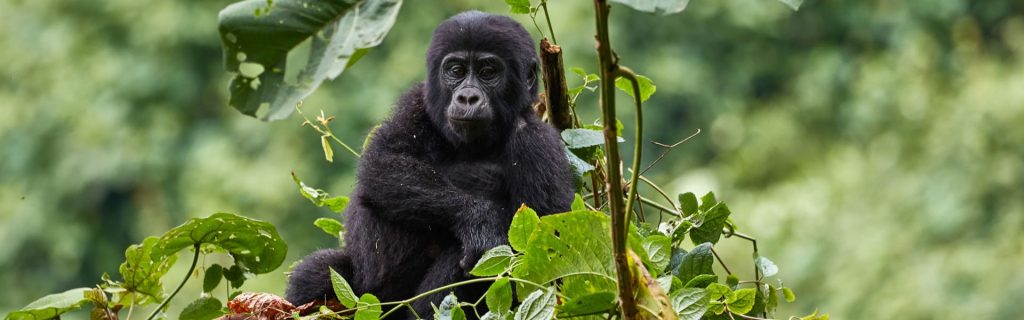
Is Gorilla Trekking Worth the Money?
Gorilla trekking is one of the most transformative wildlife safari experiences in the world. From the moment you step into the ancient rainforests of Uganda or Rwanda, the anticipation of meeting a mountain gorilla family face-to-face is like no other. But one common question persists: Is gorilla trekking worth the money? For those who have embarked on this life-changing journey, the answer is an emphatic yes. Beyond the cost, gorilla trekking offers an unmatched adventure through pristine jungles, filled with dense flora, colorful bird species, and rare primates. Uganda and Rwanda offer the premier destinations for this experience, with Uganda Gorilla Trekking being particularly celebrated for its affordability and authenticity.
When combined with other safari highlights such as Chimpanzee Tracking in Kibale, game drives in Queen Elizabeth National Park, and cultural tours in local communities, the experience becomes a complete Uganda safari adventure. Gorilla trekking supports conservation and empowers local communities, transforming what was once a haven for poachers into a stronghold of protection. If you’re planning a Rwanda tour or Uganda safari, this once-in-a-lifetime encounter is not only worth the money but contributes directly to preserving one of the last remaining mountain gorilla populations on Earth.
Why Gorilla Trekking is a Priceless Wildlife Safari Experience
Mountain gorillas cannot survive outside their natural habitat, making the dense rainforests of Uganda’s Bwindi Impenetrable National Park and Rwanda’s Volcanoes National Park the only places in the world to see these gentle giants. Gorilla Trekking Uganda and Gorilla Trekking Rwanda are both unique in experience, with Uganda offering more habituated gorilla families and a wider choice of trekking routes. The adventure includes tracking gorilla families through thick underbrush and listening to distant grunts before finally catching sight of a silverback or playful juvenile. The money spent goes beyond personal adventure—it directly supports conservation efforts, pays former poachers now trained as rangers, and funds education, health care, and infrastructure in local communities.
These wildlife safaris are tailored not just for animal lovers but also for those seeking immersive cultural experiences. Visiting the Batwa pygmies, engaging in traditional dances, or learning local crafts enriches your understanding of the forest’s human history. Combining Uganda Gorilla Trekking with cultural experiences or chimpanzee tracking in Kibale Forest National Park ensures a wholesome adventure. Whether on a Rwanda safari or Uganda tour, gorilla trekking creates a deep emotional connection to nature and the people who live alongside it.
Gorilla Trekking in Uganda vs. Rwanda – Which Safari is Better?
One of the top considerations travelers face is whether to choose a Uganda safari or a Rwanda tour for their gorilla trekking experience. While both countries provide incredible access to the endangered mountain gorilla, the nature of the trek and associated costs differ. Uganda’s Bwindi Impenetrable Forest offers more affordable permits (US$800 compared to Rwanda’s US$1,500), more trekking sectors, and a broader biodiversity of flora and fauna. This makes Gorilla Trekking Uganda a popular choice for budget-conscious travelers who want a deeper, wilder adventure. In contrast, Gorilla Trekking Rwanda in Volcanoes National Park is often shorter in duration but offers easier access from the capital city of Kigali—ideal for those on tighter schedules. Uganda’s lesser crowded trails make for a more intimate experience, with fewer tourists and greater chances to see other wildlife such as chimpanzees, elephants, and over 350 bird species. Many visitors choose to combine both Uganda and Rwanda experiences into one unforgettable cross-border tour. Whether you prefer the rugged and wild charm of Uganda or the pristine and upscale comforts of Rwanda, both options promise an exceptional gorilla trekking experience, particularly when enhanced by wildlife safaris and rich cultural engagements.
What to Expect During Gorilla Trekking – Difficulty, Duration, and Highlights
Gorilla trekking is as adventurous as it is demanding. The trek itself can range from one to six hours depending on the gorilla family’s location. In Uganda’s Bwindi Forest, steep ridges, slippery trails, and dense vegetation are common challenges—but they are also part of the thrill. Trekkers are grouped into parties of eight, led by expert guides and armed rangers for safety. The team usually includes trackers and porters—many of whom are reformed poachers now committed to conservation. These porters assist in carrying bags and navigating tricky terrain, while the guides use their tracking skills to locate gorilla families. Once found, visitors are allowed to spend a magical hour observing their behaviors—grooming, feeding, playing, or simply relaxing. The moment of eye contact with a gorilla is often described as spiritual and profoundly humbling. Good fitness levels are recommended, and it’s crucial to pack well—proper hiking boots, rain jackets, long trousers, and gloves are essential. Regardless of the difficulty, every step is worth the chance to witness these gentle primates up close, making Gorilla Trekking Uganda an unforgettable highlight of any Uganda safari.
Where and When to Go Gorilla Trekking – Best Parks and Seasons
Uganda and Rwanda are both blessed with lush forests that serve as sanctuaries for mountain gorillas. In Uganda, gorillas can be found in two parks: Bwindi Impenetrable Forest and Mgahinga Gorilla National Park. Bwindi hosts the majority of Uganda’s gorilla population and has four sectors: Buhoma, Ruhija, Nkuringo, and Rushaga, each offering unique gorilla families and trekking experiences. Mgahinga, though smaller, provides equally rewarding treks and often quieter trails. Rwanda’s Volcanoes National Park, part of the larger Virunga Massif, offers luxurious lodges and shorter treks but at a higher cost. The best time for gorilla trekking is during Uganda’s two dry seasons: mid-December to February and June to September. Trails are more navigable, and gorilla sightings are more consistent during these months. Combining Gorilla Trekking Uganda with a broader Uganda safari ensures sightings of other incredible wildlife, including tree-climbing lions in Ishasha, hippos in Kazinga Channel, and chimpanzees in Kibale Forest. Many travelers also enjoy cultural tours to traditional homesteads, tea plantations, and craft villages, offering a fuller understanding of the region’s heritage. Whether in Uganda or on a Rwanda safari, planning during the dry seasons maximizes the success and enjoyment of your gorilla trekking adventure.
Gorilla Trekking and Chimpanzee Tracking – The Ultimate Primate Safari
For primate lovers, combining gorilla trekking with chimpanzee tracking creates the ultimate safari experience in East Africa. Uganda’s Kibale Forest National Park is the primate capital of the world, home to over 1,500 chimpanzees and 12 other primate species. The chimpanzee tracking experience is exhilarating—featuring fast-paced movements, high-pitched calls, and close-up encounters that differ from the serene calmness of gorilla families. Together, Gorilla Trekking Uganda and Chimpanzee Tracking in Kibale provide a powerful contrast that enriches the overall safari. Several Uganda safari packages also include Queen Elizabeth National Park for game drives, Murchison Falls for boat safaris, and Lake Bunyonyi for scenic relaxation. For those on a Rwanda tour, Nyungwe Forest National Park is a top destination for chimpanzee tracking and canopy walks. Pairing Gorilla Trekking Rwanda with Nyungwe’s rich primate biodiversity creates an equally captivating experience. Whether choosing Uganda or Rwanda—or both—you’ll engage in responsible tourism that contributes to conservation, education, and community development while delivering awe-inspiring encounters with Africa’s great apes.
Packing Essentials and Permit Information for Gorilla Trekking
Preparing for Gorilla Trekking Uganda requires more than enthusiasm—it requires the right gear and documentation. First and foremost, securing your gorilla trekking permit is crucial and should be done months in advance, especially for peak seasons. Uganda Wildlife Authority issues a limited number of permits daily to minimize human impact on gorilla habitats. In Rwanda, permits can be obtained through the Rwanda Development Board or authorized tour operators. A valid passport, visa, and travel insurance are mandatory, and COVID-19 protocols may still apply. When packing, consider the rainforest’s unpredictable weather and rugged terrain. Essentials include a waterproof backpack, strong hiking boots, breathable long-sleeved shirts, gardening gloves for rough vegetation, insect repellent, and binoculars for birdwatching. Porters are available for hire to carry bags and offer support during the trek. By being well-prepared, travelers can fully immerse themselves in this life-changing experience. Gorilla Trekking Uganda, especially with expert planning by Saso Uganda Safaris, is more than just a hike—it’s an immersion into the heart of Africa’s most majestic rainforests.
Cultural Encounters and Community Tourism – Adding Meaning to Your Trek
Gorilla trekking is not just about wildlife; it’s also about connecting with the communities that call these forest regions home. In Uganda, cultural visits to Batwa pygmy communities offer insight into the ancient forest lifestyle. Visitors can witness traditional dance performances, learn about medicinal plants, and hear stories passed down for generations. These cultural tours are not just enriching—they support local economies and promote community conservation. Uganda Gorilla Trekking can be combined with visits to cultural centers, women’s cooperatives, or banana and coffee plantations, all of which create employment and pride in heritage. In Rwanda, travelers can visit Iby’iwacu Cultural Village near Volcanoes National Park, where former poachers now showcase their traditions through dance, storytelling, and handicrafts. These community engagements make your Uganda safari or Rwanda tour even more fulfilling, turning a wildlife safari into a journey of cultural discovery. By supporting community tourism, travelers ensure that Gorilla Trekking Rwanda and Uganda continue to thrive sustainably for future generations.