
Explore the Congo Nile Divide in Nyungwe Forest National Park
The Congo Nile Divide is one of the most fascinating geographical and hydrological landmarks in Africa, with its influence extending across the stunning Nyungwe Forest National Park in Rwanda. This divide marks a natural boundary between two of Africa’s most important river basins: the Congo and the Nile. For those seeking a unique wildlife safari experience, Rwanda’s Congo Nile Divide, nestled within Nyungwe Forest, offers an unforgettable adventure.
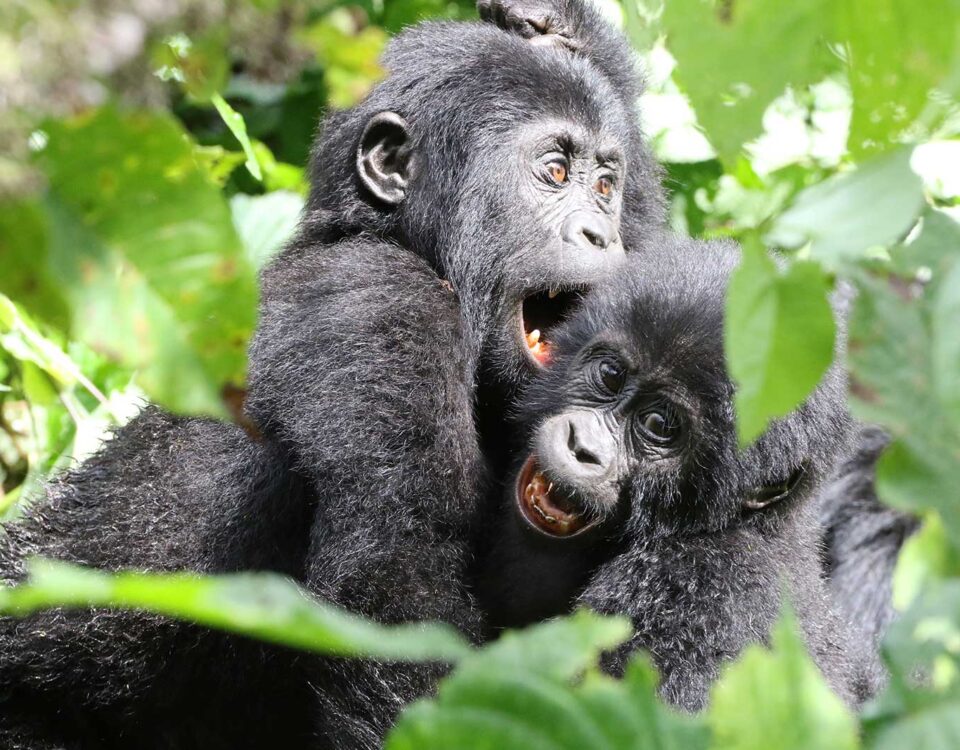
The park, one of Africa’s oldest and most biodiverse montane rainforests, promises a thrilling blend of hiking, birdwatching, chimpanzee tracking, and cultural immersion. As visitors hike through lush rainforests, observe endangered primates, and enjoy breathtaking scenic views, they can also discover the beauty of Rwanda’s wildlife and culture in one seamless journey. This makes it the perfect destination for a Rwanda safari or even combining Uganda gorilla trekking with this exceptional experience.
In this comprehensive writeup, we explore the highlights of the Congo Nile Divide, its biodiversity, conservation efforts, and the experiences that await travelers on a wildlife safari through Nyungwe Forest National Park. Whether you’re an avid nature lover, a wildlife enthusiast, or a traveler seeking adventure, Nyungwe’s Congo Nile Divide provides the perfect opportunity to discover Rwanda’s hidden gems.
The Congo Nile Divide: A Natural Wonder
A Geographical Marvel
The Congo Nile Divide, running through the heart of Nyungwe Forest National Park, serves as a remarkable geographical and hydrological feature. This divide represents the boundary between two major river systems: the Congo River Basin, which drains into the Atlantic Ocean, and the Nile River Basin, which feeds into the Mediterranean Sea. Covering an area of approximately 1,000 square kilometers, Nyungwe Forest spans a wide range of elevations from 1,600 meters to 2,950 meters, making it a significant ecological hotspot. Its unique topography creates diverse microclimates, fostering a rich variety of plants and animals, many of which are endemic to the region.
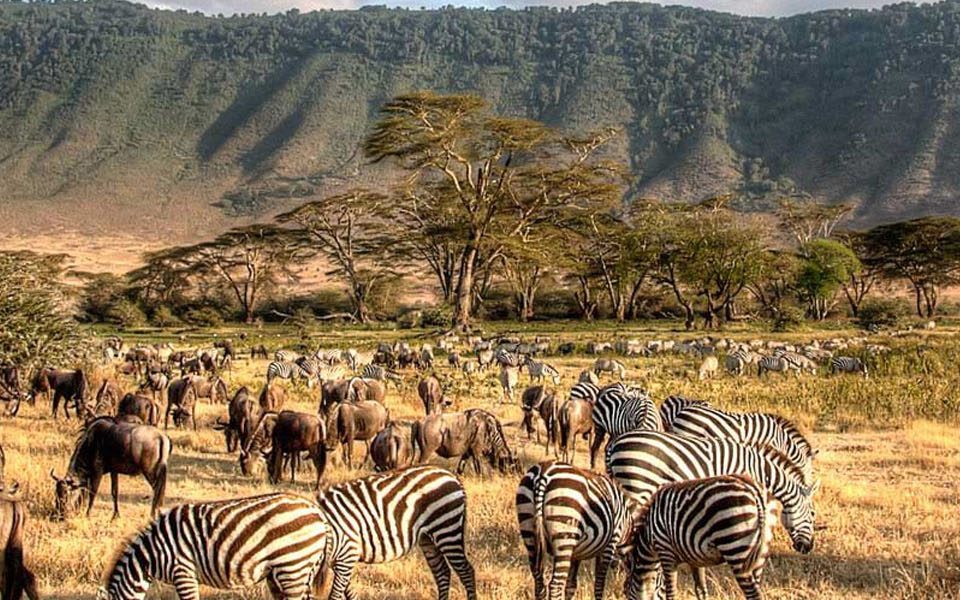
Visiting the Congo Nile Divide offers a rare opportunity to witness a natural boundary that is both symbolic and ecological, while also providing a remarkable experience for those participating in wildlife safaris and treks. With over 1,000 plant species, 75 mammal species, and 322 bird species, Nyungwe Forest is a sanctuary for biodiversity. For travelers interested in eco-tourism, this is the ideal destination to witness nature’s raw beauty while contributing to the protection of one of Africa’s oldest rainforests.
Biodiversity and Conservation: A Critical Sanctuary
Rich Flora and Fauna
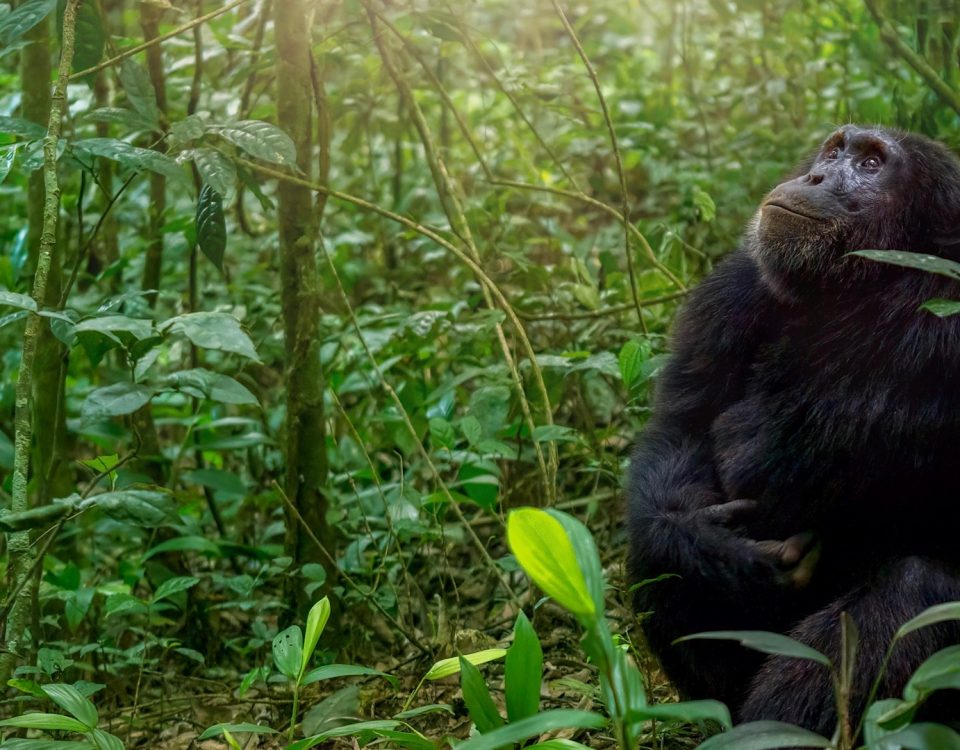
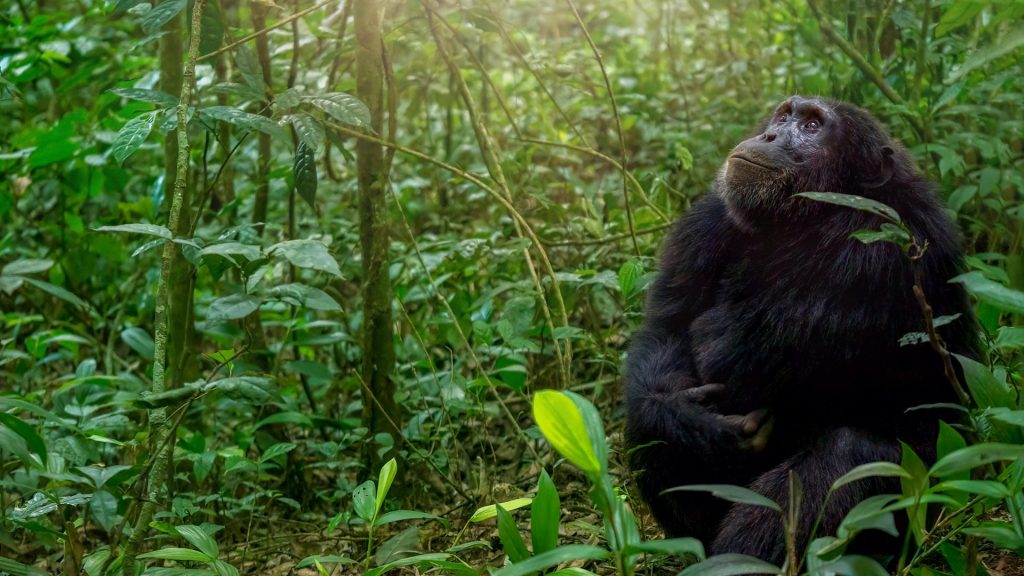
Nyungwe Forest National Park is recognized worldwide for its high biodiversity and conservation significance. The forest is home to 13 primate species, including the endangered chimpanzee, Angola colobus, and L’Hoest’s monkey. These primates thrive within the dense rainforests, which offer them shelter and a diverse range of food sources. As part of your Rwanda tour, visitors can engage in chimpanzee tracking, where they have the rare opportunity to observe these intelligent creatures in their natural habitat, making it one of the most sought-after experiences in Rwanda safaris.
In addition to the primates, Nyungwe’s birdlife is a spectacular highlight. The park is home to over 300 species of birds, including rare Albertine Rift endemics like Grauer’s warbler and the red-collared mountain-babbler. The presence of these unique species makes Nyungwe a haven for bird watchers, offering exceptional opportunities to witness the vibrant birdlife of Rwanda. The rich diversity of the forest’s flora, from towering ancient trees to delicate orchids, enhances the hiking experience and makes the Congo Nile Divide an extraordinary destination for nature lovers.
Ecotourism and Sustainable Development: Supporting Local Communities
A Model for Responsible Tourism
Ecotourism in Nyungwe Forest plays a crucial role in Rwanda’s strategy for sustainable development. The Congo Nile Divide is not only a biological treasure but also an economic asset, supporting local communities through tourism. Revenue generated from tourism activities such as chimpanzee tracking, canopy walks, and guided nature hikes is reinvested into conservation efforts and local community development. By promoting responsible tourism, Rwanda aims to create a sustainable future for both the environment and its people.
In addition to its environmental significance, ecotourism in the Nyungwe Forest provides visitors with the opportunity to engage in cultural experiences. Local communities near Nyungwe often offer visitors a glimpse into traditional Rwandan life, including cultural performances, handicrafts, and tours showcasing their agricultural practices. Combining a wildlife safari in Rwanda with a cultural exploration enhances the experience and provides travelers with a deeper understanding of Rwanda’s heritage. Moreover, visitors can choose to extend their trip by combining Uganda gorilla trekking with this Rwandan adventure, allowing them to experience two iconic wildlife destinations in one seamless journey.
Hiking the Congo Nile Divide: A Scenic Adventure
Trekking Through Rwanda’s Natural Beauty
One of the most rewarding ways to experience the Congo Nile Divide is by hiking the 42-kilometer Congo Nile Divide Trail, which stretches through Nyungwe Forest. This trail offers a unique opportunity to explore the forest’s diverse ecosystems, including rainforests, bamboo groves, and highland grasslands. Starting from the Uwinka Visitor Center, hikers are treated to awe-inspiring views of the surrounding hills and valleys, with each turn offering new perspectives on the vibrant biodiversity that flourishes in the park. Along the trail, hikers can spot various species of primates, including chimpanzees, colobus monkeys, and L’Hoest’s monkeys.
For those who are interested in birdwatching, the Congo Nile Divide Trail offers excellent opportunities to observe a wide variety of bird species, including the Rwenzori turaco and the great blue turaco. With its rich biodiversity and stunning scenery, the Congo Nile Divide Trail is ideal for nature enthusiasts and adventure seekers. Whether you’re participating in a guided nature walk, taking a canopy tour, or simply hiking through the lush forests, the Congo Nile Divide provides a perfect blend of outdoor adventure and wildlife discovery.
Best Time to Hike the Congo Nile Divide: Planning Your Visit
Choosing the Ideal Season for Your Adventure
The best time to hike the Congo Nile Divide is during the dry seasons, which occur between June and September and from December to February. During these months, the weather is more stable, with less rainfall and drier trails, making it easier and more enjoyable to explore the park. The reduced rainfall also allows for better visibility, ensuring that you can fully appreciate the beauty of Nyungwe Forest’s diverse landscapes and wildlife.
For those interested in tracking chimpanzees and exploring the forest’s primate populations, the dry season is also the best time to witness these creatures in their natural habitat. Chimpanzees and other primates are more active during the dry months, offering better viewing opportunities for wildlife enthusiasts.
It’s important to note, however, that even during the dry season, the high-altitude rainforest climate can bring occasional showers. Therefore, it’s essential to come prepared with suitable gear, including waterproof clothing, sturdy hiking boots, and insect repellent. If you’re planning on combining your Congo Nile Divide hike with a Uganda safari, such as gorilla trekking in Bwindi Impenetrable Forest, the dry season provides the perfect weather conditions for both activities.
Combining Uganda Gorilla Trekking with the Congo Nile Divide Hike
A Perfect Wildlife Safari Combo
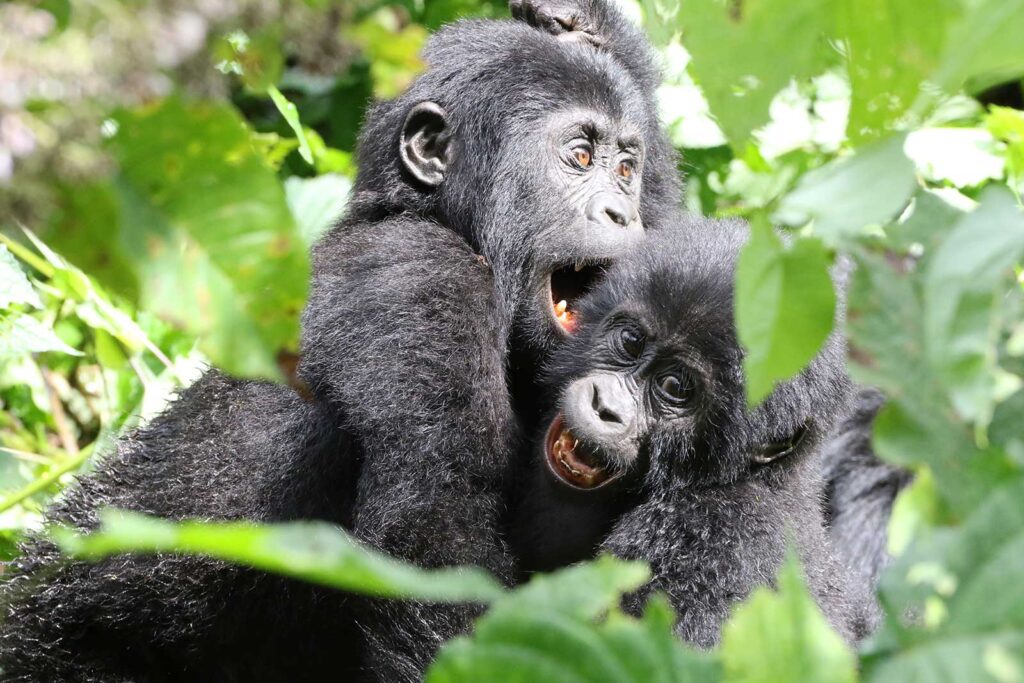
For an unforgettable African adventure, consider combining your Rwanda safari experience with Uganda gorilla trekking. Uganda is renowned for its mountain gorillas, and Bwindi Impenetrable Forest offers one of the most remarkable opportunities for gorilla trekking. By pairing a Rwanda tour with a Uganda safari, travelers can experience the incredible biodiversity of both countries, from chimpanzee tracking in Nyungwe Forest to observing the majestic mountain gorillas in Bwindi.
This combination offers an enriching experience that allows you to witness a variety of wildlife, enjoy cultural immersion, and hike through two of Africa’s most biodiverse and ecologically significant forests. Whether you’re trekking in Rwanda or Uganda, both destinations promise an unforgettable wildlife safari experience.
Conclusion: A Unique Adventure Awaits
Exploring the Congo Nile Divide in Nyungwe Forest National Park offers a unique wildlife safari experience, combining adventure, biodiversity, and cultural immersion. Whether you’re interested in hiking the Congo Nile Divide Trail, tracking chimpanzees, or observing rare bird species, Nyungwe Forest is an ecotourism haven that promises something for every traveler.
For those seeking an extended adventure, combining Uganda gorilla trekking with this Rwanda safari experience provides the ultimate wildlife journey. Don’t miss the opportunity to explore the rich cultural and natural heritage of Rwanda and Uganda, where every moment is an invitation to discover Africa’s untamed beauty.