

Gorilla Tracking Rules and Regulations: Ensuring a Safe and Responsible Experience
Gorilla trekking in Uganda is a unique and exhilarating experience that allows visitors to witness the majestic mountain gorillas in their natural habitat. To ensure the safety of both the gorillas and trekkers, as well as to promote sustainable tourism practices, a set of rules and regulations has been established. This comprehensive guide outlines the essential rules and regulations for gorilla tracking, highlighting their importance in preserving these endangered species and enhancing the trekking experience.
Permits and Booking Requirements
Before embarking on a gorilla trekking adventure in Uganda, obtaining a valid gorilla trekking permit is mandatory. This permit grants access to the gorilla habitats and supports conservation efforts. Here’s what you need to know about permits and booking:
- Permits: Each trekker must secure a permit through the Uganda Wildlife Authority (UWA) or an authorized tour operator. Permits are limited and in high demand, so it’s advisable to book well in advance. The cost of a permit contributes to conservation initiatives and community development projects, ensuring the protection and well-being of the gorillas.
- Booking Process: The booking process involves providing personal details, including passport information, and confirming the desired trekking dates. It’s important to provide accurate information to avoid any issues on the day of the trek. Additionally, travelers should confirm their booking with their tour operator and the UWA to ensure a smooth experience.
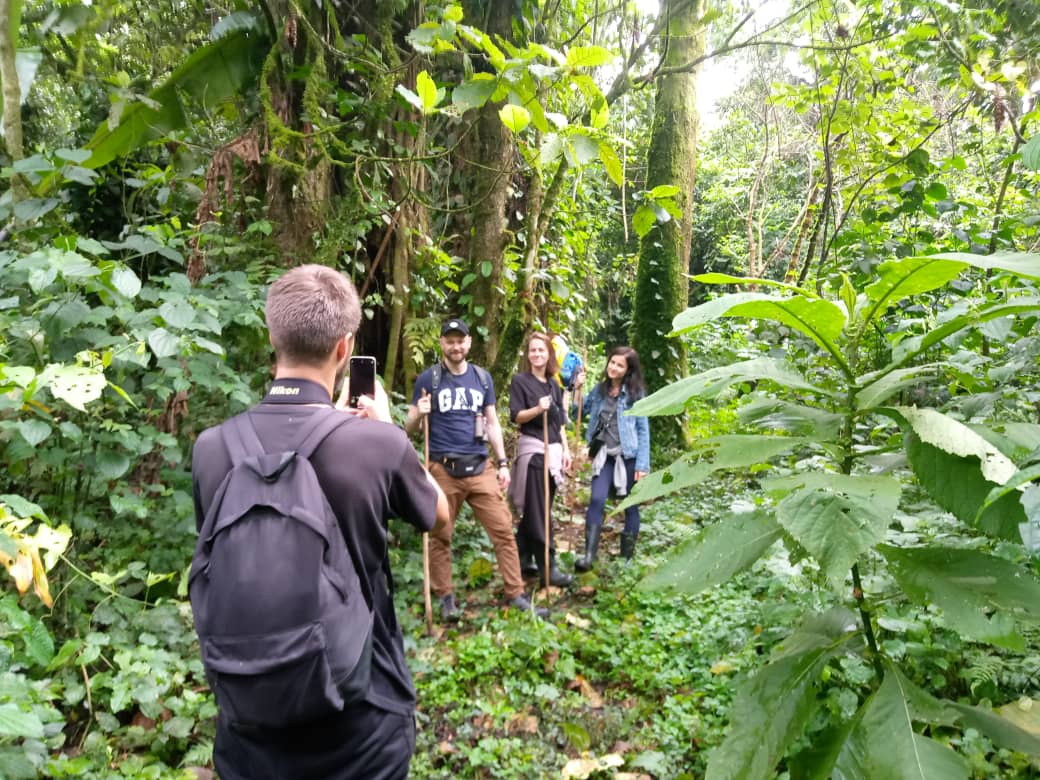
Bwindi Impenetrable National Park
Health and Safety Guidelines
Maintaining health and safety during gorilla trekking is crucial to protect both visitors and gorillas. Here are key health and safety guidelines to follow:
- Health Precautions: Gorillas are susceptible to human diseases, so trekkers must adhere to strict health guidelines. Anyone with symptoms of illness, such as colds, flu, or respiratory issues, should postpone their trek to prevent the spread of diseases. Additionally, trekkers should undergo a health screening before the trek and adhere to hygiene practices, including hand washing and sanitizing.
- Physical Fitness: Gorilla trekking involves hiking through rugged terrain and dense forest, which requires a reasonable level of physical fitness. Trekkers should be prepared for a potentially strenuous journey, with hikes ranging from a few hours to a full day. It’s important to inform your guide of any health conditions or physical limitations before the trek.
Gorilla Trekking Etiquette and Behavior
Proper etiquette and behavior during the trek are essential for ensuring a respectful and safe interaction with the gorillas. Here are the key rules to follow:
- Distance and Proximity: Trekkers must maintain a minimum distance of 7 meters (about 23 feet) from the gorillas at all times. This distance helps minimize stress and the risk of disease transmission. Guides will instruct trekkers on how to approach the gorillas and maintain an appropriate distance.
- Quiet and Calm Behavior: To avoid disturbing the gorillas, trekkers should speak in low voices and avoid sudden movements. Gorillas are sensitive to noise and can become agitated if they feel threatened. Follow the guide’s instructions and remain calm throughout the encounter.
- No Flash Photography: Flash photography is strictly prohibited to prevent startling the gorillas. Trekkers may use cameras without flash to capture photos, but they should do so discreetly and without disrupting the gorillas’ natural behavior. Always ask for permission before taking photographs and avoid using bright lights.

Bwindi Impenetrable National Park
Environmental Protection and Conservation
Preserving the gorilla habitat and minimizing environmental impact are key aspects of responsible gorilla trekking. Adhering to these environmental guidelines helps ensure the long-term survival of mountain gorillas and their ecosystem:
- Leave No Trace: Trekkers must follow the principle of “leave no trace” by avoiding littering and respecting the natural environment. This includes packing out all waste, including food wrappers and personal items. Using designated toilets and avoiding disturbing plants and wildlife helps maintain the pristine condition of the gorilla habitat.
- Respect Wildlife: Trekkers should avoid feeding or attempting to touch the gorillas. Interacting with wildlife can disrupt their natural behavior and pose health risks. Observing from a safe distance and respecting their space is essential for their well-being.
- Follow Guidelines: Adhere to the guidelines set by park authorities and your guide. These guidelines are designed to protect both the gorillas and visitors, ensuring a safe and enjoyable experience. Guides are trained to manage interactions and enforce rules, so listen to their instructions and follow their lead.
Group Size and Trekking Conditions
Gorilla trekking involves small group sizes and specific conditions to enhance the experience and protect the gorillas:
- Group Size: Gorilla tracking groups are typically limited to a maximum of eight people per gorilla family. This restriction helps minimize the impact on the gorillas and ensures a more intimate and manageable experience. Groups are organized based on the availability of permits and the size of the gorilla families.
- Trekking Conditions: The terrain in Bwindi Impenetrable National Park can be challenging, with steep slopes and dense vegetation. Trekkers should be prepared for varying weather conditions, including rain and mud. Proper footwear, rain gear, and physical readiness are essential for navigating the rugged terrain.
Special Considerations for Children and Elderly
While gorilla trekking is an incredible experience, it may not be suitable for everyone, particularly young children and elderly individuals:
- Children: Gorilla trekking is generally restricted to individuals aged 15 years and older. This age restriction is in place to ensure that trekkers can handle the physical demands and adhere to the behavioral guidelines. Exceptions may be made in certain circumstances, but it’s important to check with the tour operator and park authorities in advance.
- Elderly and Special Needs: Elderly individuals and those with special needs should carefully consider their physical capabilities before undertaking a trek. The strenuous nature of the hike may be challenging for some. It’s advisable to discuss any special requirements or concerns with the tour operator and explore alternative activities if necessary.

Uganda Gorilla Trekking Safari
Conclusion: A Responsible Approach to Gorilla Trekking
Gorilla trekking in Uganda offers a rare and rewarding opportunity to witness the beauty and majesty of mountain gorillas in their natural habitat. By following the established rules and regulations, trekkers contribute to the conservation of these endangered species and enhance the safety and enjoyment of the experience.
Understanding and adhering to the guidelines for permits, health and safety, behavior, environmental protection, and special considerations ensures a respectful and responsible approach to gorilla trekking. As visitors engage with these magnificent creatures, their actions play a crucial role in supporting conservation efforts and preserving the gorilla population for future generations. Through responsible tourism and a commitment to following the rules, we can help safeguard the mountain gorillas and their lush forest home in Bwindi Impenetrable National Park.
Best Top 15 Uganda Safaris
- Murchison Falls Tour Safari
- Lake Mburo National Park Safari
- Gorilla Trek Africa & Uganda Wildlife Safari
- Wildlife and Gorilla Trekking Uganda Safari
- Gorillas and Chimpanzee Trekking Uganda Safari
- Murchison Falls Big 5 Safari and Jinja Source of the Nile
- Primates Safari Uganda – Gorilla Trekking & Chimpanzee Safari
- Uganda Gorillas & Wildlife Safari
- Gorillas and Savanna Safari
- Uganda Chimpanzee and Gorilla Trekking Safari
- Uganda Wildlife & Primates Safari
- Gorilla Trek Uganda & Wildlife Safari
- Gorilla Trek Uganda & Wildlife Safari
- Uganda Wildlife Holiday Adventure Safari
- Uganda Primates & Wildlife Safari
Best Of Kenya Safari And National Parks
- 3 Days Best Of Maasai Mara Budget Safari
- 3 Days Maasai Mara Luxury Safari In Kenya
- 4 Days Private Luxury Safari
- 4 Days Maasai Mara Budget Safari
- 5 Days Affordable Safari
- 5 Days Luxurious Safari
Best Of Tanzania Safari and National Parks
- 4 Days Safari In Northern Tanzania
- 5 Days Safari In Northern Tanzania
- 6 Days Safari In Northern Tanzania
- 8 Days Machame Route
- 7 Days Marangu Route
- 9 Days Climb Via Machame Route
Rwanda Safaris Tour Holidays
- Ultimate Rwanda Safari Adventure
- Best of Rwanda Safari
- Primates & Gorilla Tour
- Rwanda Primates Safari
- Best of Rwanda Safari
- Rwanda Gorilla Trek & Lake Kivu expedition
- Gorilla Trekking Rwanda & Wildlife Safari
- Mountain Gorilla Trek & Cultural Gala Rwanda
- Rwanda Mountain Gorillas & Golden Monkey Trekking Safari
- Rwanda gorilla Safari