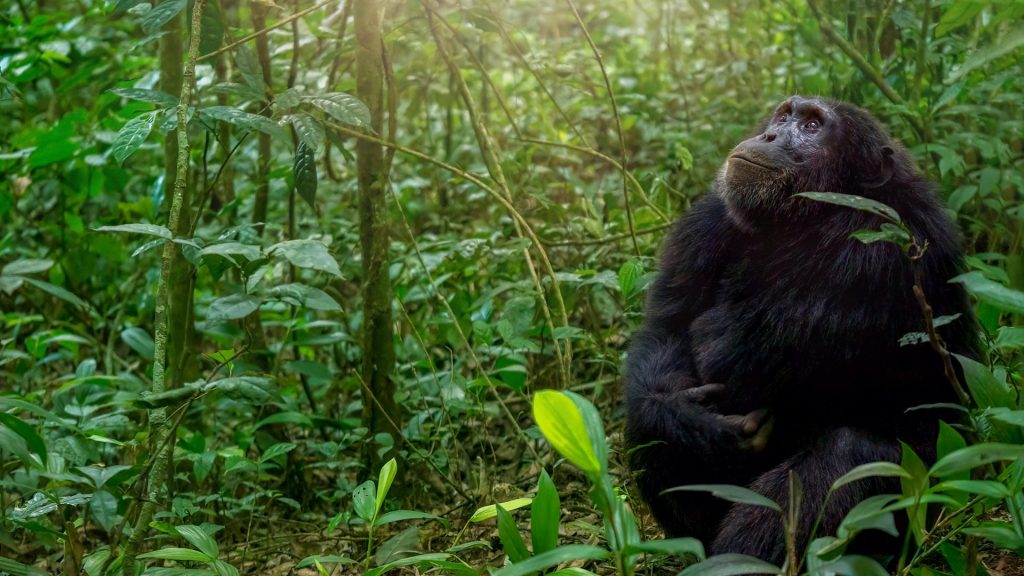

Can You Wear Black for Gorilla Trekking?
Gorilla trekking is an unparalleled wildlife experience, where travelers have the rare opportunity to observe endangered mountain gorillas in their natural habitat. Uganda, home to the famous Bwindi Impenetrable Forest and Mgahinga Gorilla National Park, offers trekkers the chance to engage in this life-changing adventure. As trekkers prepare for this once-in-a-lifetime experience, they often wonder about the appropriate attire, including whether wearing black clothing is suitable during the trek. While clothing choices may seem trivial, they can play a significant role in both comfort and safety during your gorilla trek. In this article, we will delve into whether black clothing is appropriate for gorilla trekking in Uganda, while also offering essential clothing tips for the trek.
Why Clothing Matters for Gorilla Trekking
Before addressing the question of wearing black, it’s essential to understand why proper clothing is necessary for a successful and comfortable gorilla trek. Gorilla trekking requires navigating through dense forests, steep inclines, muddy trails, and potentially unpredictable weather. The right clothing can enhance your comfort, help you stay safe, and ensure that you remain protected from elements like thorny bushes, insects, and changing weather conditions. Therefore, every detail of your attire, including color choices, should be chosen with both practicality and comfort in mind.
Can You Wear Black for Gorilla Trekking?
The short answer is: yes, you can wear black for gorilla trekking, but it’s important to weigh the pros and cons of doing so.
- The Impact of Clothing Color on Gorillas
One of the main concerns that trekkers may have when choosing to wear black is whether it will have an impact on the gorillas’ behavior. Fortunately, gorillas do not have a particular sensitivity to the color of human clothing. Unlike some wildlife, which might be disturbed by bright colors or bold patterns, gorillas are largely indifferent to clothing colors. Their primary concerns are movements, sounds, and smells.
The most significant factor in observing gorillas is how you behave. Trekking at a slow, quiet pace, and avoiding sudden movements or loud noises are far more critical for a successful and respectful interaction with these magnificent creatures. As long as you are respectful and stay calm, the color of your clothing will not affect the experience. Therefore, you are free to wear black if it suits your preferences and wardrobe.
- The Heat Absorption Factor
While black clothing may not affect gorillas, it can have an impact on your own comfort during the trek. Black clothing absorbs more heat from the sun, which can be uncomfortable during the trek, especially when hiking through the humid and often warm rainforest.
Uganda’s gorilla trekking regions, especially Bwindi Impenetrable Forest, are located at high altitudes and tend to be cooler in the early morning or evening hours, but they can get quite warm during the midday. The dense vegetation and high humidity levels can make the environment feel even warmer. If you opt to wear black clothing, you may find yourself feeling overheated and uncomfortable, particularly during a long trek under the sun. This is an important factor to consider when deciding on the color of your trekking attire.
If you still wish to wear black, it’s best to choose lightweight, breathable fabrics that allow air circulation and wick moisture away from your skin. This will help mitigate the heat absorption factor and keep you comfortable as you navigate the forest.
- Practicality and Appearance
Aside from the temperature considerations, black clothing can be advantageous in certain practical aspects. One of the benefits of wearing black is that it is less likely to show dirt or mud compared to lighter colors. Given the muddy trails and damp conditions in the rainforest, it’s common for trekkers to encounter wet or muddy conditions. Wearing black clothing can make it easier to maintain a clean appearance, as stains or mud marks will be less visible.
From an aesthetic point of view, black can also blend in well with the natural environment of the forest, which is often dark and shadowy due to the thick canopy. This makes black a practical and unobtrusive color to wear for trekking, though it is by no means necessary for the experience.
What to Wear for Gorilla Trekking: Essential Clothing Tips
While black clothing is acceptable for gorilla trekking, it is important to consider other factors when choosing your trekking attire. Here are some essential tips on what to wear to ensure a safe, comfortable, and enjoyable trek:
- Long-Sleeve Shirts and Pants
Trekking through dense forests exposes you to thorny bushes, insects, and the potential for scrapes or cuts. It is highly recommended to wear long-sleeve shirts and long pants to protect your skin from thorns, stinging nettles, and insect bites. Choose lightweight, breathable fabrics that offer protection without making you overheat.
Opt for neutral or earthy tones like brown, green, or khaki. These colors blend with the natural surroundings, helping you avoid attracting attention from wildlife, while also ensuring you remain comfortable during the trek.
- Sturdy Hiking Boots
Given the rugged and often slippery terrain of the gorilla trekking paths, sturdy hiking boots are essential. These boots should be waterproof and have good traction to provide stability as you navigate muddy or uneven trails. Make sure that your boots are well-broken-in to avoid blisters during the trek. If possible, select boots that provide ankle support to prevent injuries when trekking up or down steep slopes.
- A Hat and Sunglasses
While the forest canopy provides shade, there may be moments when the sun is more direct, particularly in the early afternoon. A wide-brimmed hat offers protection from both the sun and rain. Additionally, sunglasses can help protect your eyes from UV rays when you are exposed to sunlight.
- Waterproof Gear
Rain showers are common in Uganda’s tropical climate, especially in the rainy season, which occurs from March to May and October to November. Therefore, bringing a waterproof jacket or poncho is highly advisable. Ensure that the jacket is lightweight and breathable, so it doesn’t cause you to overheat. A waterproof jacket will keep you dry and comfortable if you encounter unexpected rain during your trek.
- Gloves
To protect your hands from thorny plants and potential insect bites, lightweight gloves are recommended. These will help you grip tree branches or rocks more easily, providing additional stability when moving through dense vegetation or climbing steep areas.
- Avoid Bright Colors and Strong Scents
While black is an acceptable color, it is important to avoid bright, flashy colors like neon greens, reds, or yellows, as these may disturb the wildlife. Bright colors can attract unwanted attention and disrupt the natural environment, especially if you’re trying to approach the gorillas quietly.
Additionally, avoid wearing strong perfumes, deodorants, or scents, as gorillas and other wildlife have a keen sense of smell. Strong scents can disturb them and detract from the experience.
Conclusion
In conclusion, wearing black during a gorilla trekking adventure in Uganda is perfectly acceptable. While black does not significantly impact gorillas, it can absorb heat, which may affect your comfort during the trek. Therefore, if you choose to wear black, make sure your clothing is lightweight and breathable to combat the heat absorption. Ultimately, the best attire for gorilla trekking is one that is practical, comfortable, and designed to protect you from the challenges of the terrain and weather.
For a safe and enjoyable trek, long-sleeve shirts, sturdy hiking boots, gloves, and waterproof gear are essential components of your wardrobe. Whether you wear black or another color, the most important aspect of your trekking attire is ensuring you are well-prepared for the physical demands of the journey. By dressing wisely, you will be able to fully immerse yourself in the unforgettable experience of trekking with the mountain gorillas in Uganda’s pristine rainforests.