

What Are the Park Entrance Fees in Serengeti National Park?
Understanding Serengeti National Park Entrance Fees
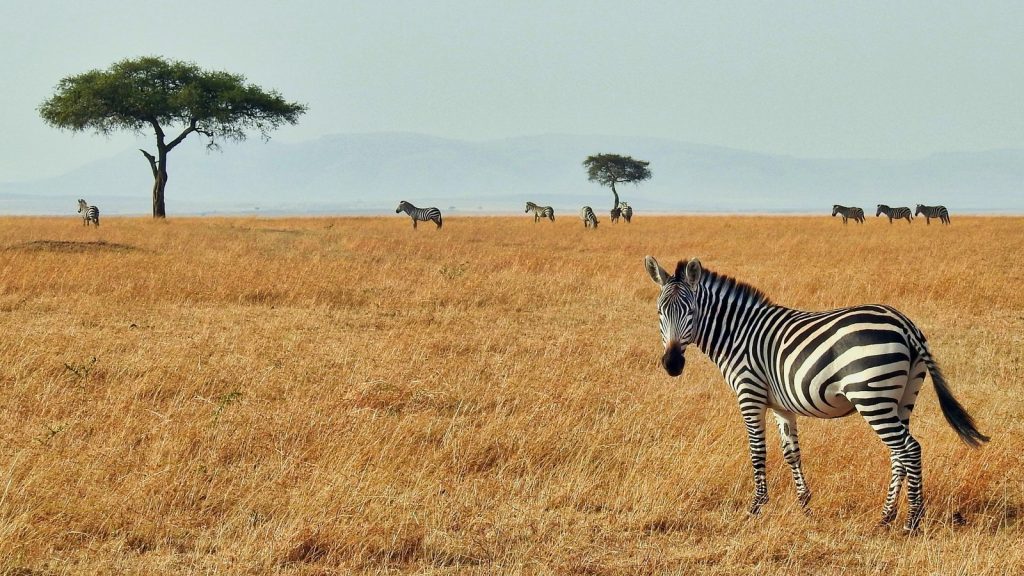
The Serengeti National Park in Tanzania is one of the most celebrated safari destinations on the planet. Every year, thousands of visitors arrive to witness the dramatic Great Migration, explore vast savannah plains, and enjoy luxury safari holidays or budget family trips in Africa. Whether travelers come for wildlife safaris, walking tours, cultural experiences, or relaxation holidays, entry into the park is regulated through structured park entrance fees set by the Tanzania National Parks Authority (TANAPA).
One of the most common questions asked by travelers planning their safari is: What are the park entrance fees in Serengeti National Park? Understanding these fees is vital for budgeting safari holidays, whether travelers are embarking on luxury game drives, family-friendly safaris, or group adventures.
Entrance fees help fund wildlife conservation, community programs, and park infrastructure. By contributing, visitors directly support the protection of iconic species such as lions, elephants, and wildebeest, as well as the maintenance of Serengeti’s pristine landscapes. Fees vary based on residency status, age categories, type of safari holiday, and the location within the park.
Why Do You Pay Entrance Fees in Serengeti National Park?
Before breaking down exact figures, it is important to understand why park entrance fees exist. Many travelers wonder whether these costs are simply tourism charges or whether they play a meaningful role in conservation. The reality is that Serengeti’s entrance fees are designed to ensure sustainability.
The Serengeti is a World Heritage Site and a fragile ecosystem. It requires constant monitoring to manage poaching threats, regulate tourist numbers, maintain roads, and ensure wildlife thrives without excessive human interference. Entrance fees collected by TANAPA go directly toward:
- Wildlife Conservation: Protecting species from poaching, preserving predator-prey balances, and securing migration corridors.
- Community Support: Funding schools, clinics, and development projects in surrounding villages that depend on eco-tourism.
- Tourism Infrastructure: Maintaining roads, signage, ranger posts, and airstrips used for safari holidays.
- Research Programs: Supporting scientists studying wildebeest migration patterns, predator dynamics, and climate change impacts.
For visitors planning family-friendly tours, group safaris, or relaxation trips, paying fees ensures that future generations can also enjoy the park’s extraordinary beauty. The Serengeti is more than a destination; it is a living heritage. Entrance fees help keep it protected.
Breakdown of Serengeti National Park Entrance Fees
The entrance fees for Serengeti National Park are structured in categories. They depend on residency status, age group, and vehicle type. Below is a detailed breakdown.
- International Visitors (Non-Residents)
These are tourists from outside East Africa, making up the majority of safari travelers.
- Adults (16 years and above): USD 70 per person per day during the low season (January to March, April to May) and USD 83 per person per day in the high season (June to December).
- Children (5–15 years old): USD 20 per person per day.
- Children under 5 years: Free entry.
- Residents and Expatriates (Living in Tanzania or East Africa)
Proof of residency or work permits is required.
- Adults: USD 35 per person per day.
- Children (5–15 years): USD 10 per person per day.
- Children under 5 years: Free entry.
- East African Citizens (Tanzania, Kenya, Uganda, Rwanda, Burundi, South Sudan)
Citizens enjoy heavily discounted rates.
- Adults: TSH 10,000 (approx. USD 4) per person per day.
- Children (5–15 years): TSH 2,000 per person per day.
- Children under 5 years: Free entry.
- Vehicle Fees
All vehicles entering Serengeti must pay additional charges depending on weight and type. Safari companies include this in packages.
- Private vehicle (under 2000 kg): USD 40 per day.
- Heavy vehicles (over 3000 kg): USD 150–300 per day.
- Camping and Accommodation Fees
- Public Campsites: USD 35 per person per night.
- Special Campsites (exclusive use): USD 50 per person per night.
- Lodge Concession Fees: USD 70 per person per night for non-residents.
- VAT (Value Added Tax)
All fees attract 18% VAT. Safari operators include this in final quotes, but travelers should confirm.
This structured system ensures fairness and accessibility. Families planning safari holidays benefit from child discounts, while local citizens access affordable rates that encourage domestic tourism.
How Do Serengeti Fees Compare to Other Tanzanian National Parks?
Travelers often ask: Are Serengeti entrance fees higher than in other Tanzanian parks? The answer is yes, but for good reason.
- Ngorongoro Crater charges USD 70 per adult plus USD 295 per vehicle to descend into the crater.
- Tarangire National Park charges USD 50 per adult per day.
- Lake Manyara National Park charges USD 50 per adult per day.
- Ruaha National Park charges USD 30 per adult per day.
Serengeti’s fees are slightly higher because it covers vast areas, hosts the Great Migration, and requires greater conservation resources. However, compared to similar parks in Kenya or Botswana, Serengeti remains competitively priced. For example, Masai Mara National Reserve in Kenya charges USD 100 per day for international visitors, while Botswana’s Okavango Delta luxury camps cost significantly more.
Families and groups planning abroad trips often find Serengeti better value because of its range of lodges, family-friendly tours, and year-round wildlife viewing.
Best Time to Visit Serengeti to Maximize Entrance Fees
Visitors often ask: When is the best time to visit Serengeti National Park to get the most out of entrance fees?
- June to October (Dry Season): Perfect for wildlife safaris, river crossings, and luxury game drives. Entrance fees feel fully justified as animals gather near rivers and watering holes.
- December to March (Calving Season): Families find great value as wildebeest give birth in southern Serengeti, attracting predators. Children enjoy witnessing new life.
- April to May (Long Rains): Entrance fees are lowest, crowds are fewer, and landscapes are lush. Photographers and budget safari travelers get great value.
No matter the season, Serengeti delivers. Families on safari holidays or couples on honeymoon safaris always find the fees worthwhile.
How Do Families Benefit From Serengeti Park Fees?
Families planning safari holidays often worry about costs. Serengeti provides several benefits that make fees manageable:
- Child Discounts: Children under 5 enter free, and those aged 5–15 pay just USD 20. This makes family-friendly tours more affordable.
- Educational Value: Entrance fees contribute to conservation, allowing families to teach children the importance of protecting wildlife.
- Safety and Infrastructure: Fees ensure ranger patrols and secure roads, providing peace of mind for parents during family trips.
- Family Activities: Beyond game drives, families can enjoy walking tours, cultural visits to Maasai villages, and balloon safaris, maximizing value for fees paid.
For families planning abroad trips or long safari holidays, Serengeti entrance fees prove to be investments in both safety and memory-making.
Are Serengeti Entrance Fees Worth It?
Some travelers wonder: Are Serengeti entrance fees worth the cost? The answer is yes. Few places on Earth offer the same concentration of wildlife, scale of landscapes, and iconic safari holidays.
Every dollar spent on entrance fees ensures travelers enjoy:
- Access to wildlife spectacles like the Great Migration.
- Well-maintained safari infrastructure.
- Safety, thanks to trained rangers.
- Contribution to conservation and communities.
Compared to other global experiences such as hiking tours in the Alps, relaxation trips in the Caribbean, or cultural holidays in Europe, Serengeti offers greater diversity and uniqueness. The chance to watch lions hunt, elephants march, or wildebeest cross rivers makes fees incomparable.
Combining Serengeti with Gorilla Trekking: Do Fees Align?
Travelers planning ambitious adventures often ask: Can Serengeti entrance fees be combined with gorilla trekking costs in Uganda or Rwanda?
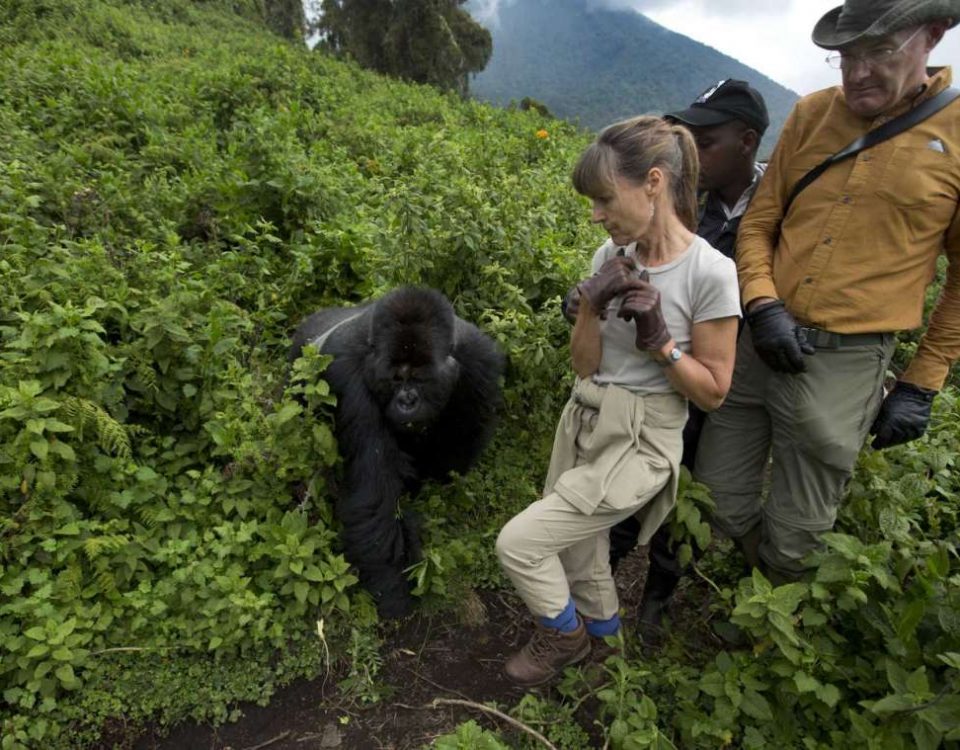
Yes. Gorilla trekking requires separate permits costing:
- Uganda: USD 800 per trek.
- Rwanda: USD 1,500 per trek.
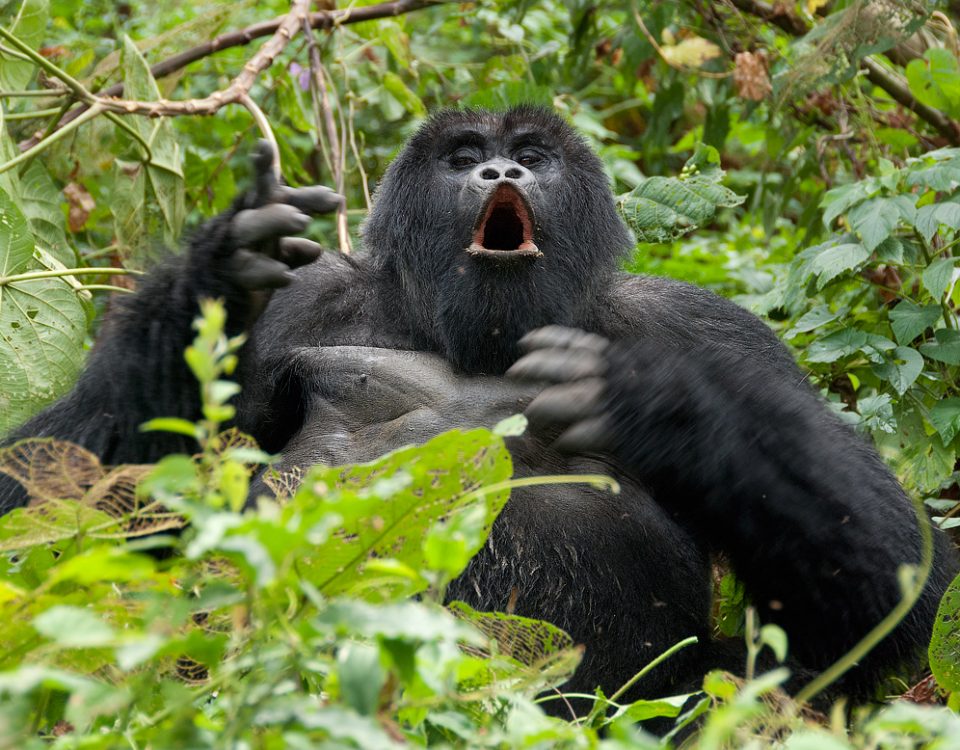
Combining these with Serengeti entrance fees creates a premium but extraordinary safari holiday. Families with older children, honeymoon couples, or adventure groups find this combination rewarding. It allows travelers to experience Africa’s greatest wildlife spectacles: the open savannah migration and the intimate gorilla encounters in dense forests.
Tour operators like Saso Uganda Safaris help plan seamless itineraries that include Serengeti safaris, walking tours, relaxation trips, and gorilla trekking abroad.
Tips for Managing Serengeti Entrance Fees
For travelers asking how to budget effectively, here are practical tips:
- Book With Reputable Operators: Safari companies include fees in packages, simplifying planning.
- Travel Off-Season: April to May offers lower accommodation prices, balancing entrance fees.
- Choose Multi-Day Passes: Longer stays maximize value for each fee paid.
- Stay in Public Campsites: Budget travelers save while still enjoying full access.
- Combine Parks Wisely: Pair Serengeti with nearby parks for variety, making fees worthwhile.
Cultural Value of Paying Entrance Fees
Beyond wildlife, park fees support cultural tourism. Maasai communities living near Serengeti benefit from visitor contributions. Travelers who combine game drives with cultural experiences, such as Maasai village tours, storytelling evenings, or traditional dances, find their fees enriching both wildlife and cultural encounters.
Families, honeymooners, or group tours gain not just safari holidays but cultural insights, making the experience holistic.
Serengeti Entrance Fees Explained
So, what are the park entrance fees in Serengeti National Park? They vary by residency, age, and season, ranging from USD 20 for children to USD 83 for adults per day. Vehicle and accommodation fees apply, along with VAT.
Though Serengeti entrance fees are higher than in other Tanzanian parks, they are justified by the park’s immense scale, wildlife abundance, and conservation needs. Families, couples, and groups on safari holidays all benefit from child discounts, safety, and cultural enrichment supported by these fees.
When compared with the priceless experiences offered watching the Great Migration, seeing lions hunt, or combining safaris with gorilla trekking the fees are more than worthwhile. Choosing Saso Uganda Safaris ensures every dollar spent translates into expert-guided adventures, family-friendly tours, relaxation trips, and unforgettable journeys.
The Serengeti is not just a safari destination it is an African treasure. Paying park entrance fees is not just an obligation, but a privilege to help conserve one of the most remarkable ecosystems on Earth.









1 Comment
I would like to book are Christmas holidays tour to serengeti NP for a family of six members