
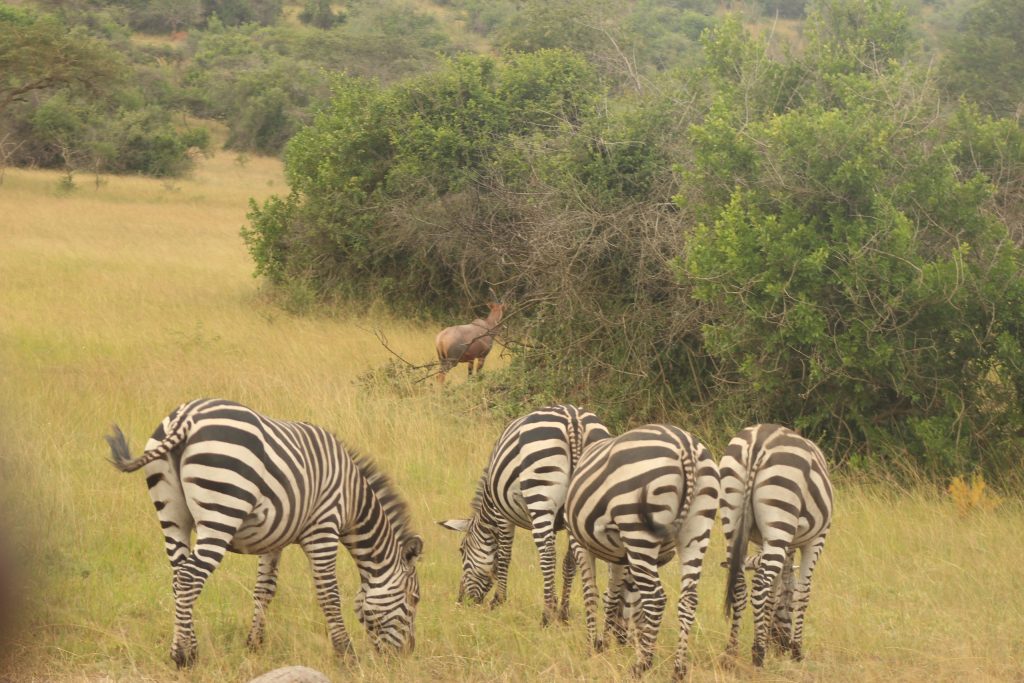
When Is the Best Time to Visit Serengeti National Park?
When Is the Best Time to Visit Serengeti National Park? Serengeti National Park in Tanzania stands as one of Africa’s premier wildlife destinations, renowned for its vast savannahs, abundant wildlife, and the awe-inspiring Great Migration. Whether you’re planning a honeymoon, a family vacation, or a solo adventure, understanding the optimal times to visit can significantly enhance your safari experience. This comprehensive guide delves into the best times to visit Serengeti National Park, highlighting seasonal variations, wildlife patterns, and travel tips to help you plan your perfect safari.
Introduction: Serengeti’s Allure Year-Round
Serengeti National Park offers a dynamic safari experience throughout the year. From the bustling dry season to the lush green landscapes of the wet season, each period presents unique opportunities for wildlife viewing and cultural immersion. Whether you’re interested in witnessing the Great Migration, observing the calving season, or enjoying a quieter safari, Serengeti caters to diverse interests and preferences.
Dry Season (June to October): Peak Safari Period
Wildlife Concentration and River Crossings
The dry season, spanning from June to October, is considered the peak time for safaris in Serengeti National Park. During this period, animals congregate around rivers and waterholes, making wildlife sightings more frequent and accessible. The sparse vegetation and reduced water sources draw various species to these concentrated areas, offering excellent opportunities for game drives and photography.
The Great Migration at Its Prime
One of the most compelling reasons to visit during the dry season is to witness the Great Migration. Millions of wildebeest, zebras, and gazelles traverse the Serengeti in search of fresh grazing grounds. This period often includes dramatic river crossings, where herds brave crocodile-infested waters, providing thrilling spectacles for visitors.
Ideal Conditions for Game Viewing
With clear skies and minimal rainfall, the dry season offers optimal conditions for game viewing. The cooler mornings and evenings are perfect for early and late game drives, while the midday heat encourages animals to rest, making them easier to spot.
Wet Season (November to May): A Different Safari Experience
Lush Landscapes and Calving Season
The wet season, from November to May, transforms the Serengeti into a lush paradise. The short rains in November and December rejuvenate the landscape, leading to vibrant green plains. This period coincides with the calving season, particularly in the southern regions like Ndutu, where over 400,000 wildebeest calves are born within a few weeks. The abundance of young animals attracts predators, offering dramatic predator-prey interactions.
Fewer Tourists and Lower Costs
Traveling during the wet season means fewer tourists and reduced accommodation rates. For those seeking a more tranquil and budget-friendly safari experience, this is an ideal time to visit. However, it’s essential to note that some lodges and camps may close during the peak rains in April and May.
Birdwatching Opportunities
The wet season is also prime time for birdwatching. Migratory birds flock to the Serengeti, adding vibrant colors and diverse species to the ecosystem. Bird enthusiasts will find this period particularly rewarding.
Seasonal Breakdown: When to Visit Based on Interests
| Interest | Best Time to Visit |
| Great Migration | June to October |
| Calving Season | January to March |
| Birdwatching | November to May |
| Budget Travel | March to May, November |
| Fewer Crowds | March to May, November |
Combining Serengeti with Other Destinations
For travelers seeking a comprehensive East African safari, combining a visit to Serengeti National Park with other iconic destinations can enrich the experience. Consider adding:
- Ngorongoro Crater: A UNESCO World Heritage site, this collapsed volcano is teeming with wildlife, including the Big Five.
- Murchison Falls National Park (Uganda): Known for its powerful waterfalls and diverse wildlife, including chimpanzees and elephants.
- Gorilla Trekking in Uganda or Rwanda: Embark on a once-in-a-lifetime adventure to track mountain gorillas in their natural habitat.
- Chimpanzee Tracking in Kibale Forest (Uganda): Experience close encounters with our primate relatives in the lush forests of Uganda.
These combinations offer diverse landscapes, cultures, and wildlife experiences, ensuring a well-rounded safari adventure.
Travel Tips for Visiting Serengeti
- Book in Advance: Especially during peak seasons, accommodations and permits can fill up quickly. Early booking ensures availability and often better rates.
- Pack Accordingly: Depending on the season, pack lightweight clothing for the dry season and warmer layers for the cooler mornings and evenings. Don’t forget essentials like binoculars, cameras, and sunscreen.
- Health Precautions: Consult with a healthcare provider regarding vaccinations and malaria prophylaxis before traveling.
- Respect Wildlife: Always maintain a safe distance from animals and follow the guidance of your safari guide to ensure both your safety and the well-being of the wildlife.
Conclusion: Tailoring Your Safari Experience
The best time to visit Serengeti National Park depends on your personal interests and what you hope to experience. Whether it’s the thrill of the Great Migration, the serenity of the wet season, or the abundance of wildlife during calving season, Serengeti offers a safari experience like no other. By understanding the seasonal variations and planning accordingly, you can ensure a memorable and enriching adventure in one of Africa’s most iconic wildlife destinations.
For more information on planning your Serengeti safari or combining it with other East African destinations like Murchison Falls Tours, Gorilla Trekking in Uganda, or a Rwanda Tour, feel free to reach out. Our team is here to assist you in crafting the perfect itinerary tailored to your preferences and interests.