
Exploring the Twin Lakes in Rwanda: A Journey with Saso Uganda Safaris
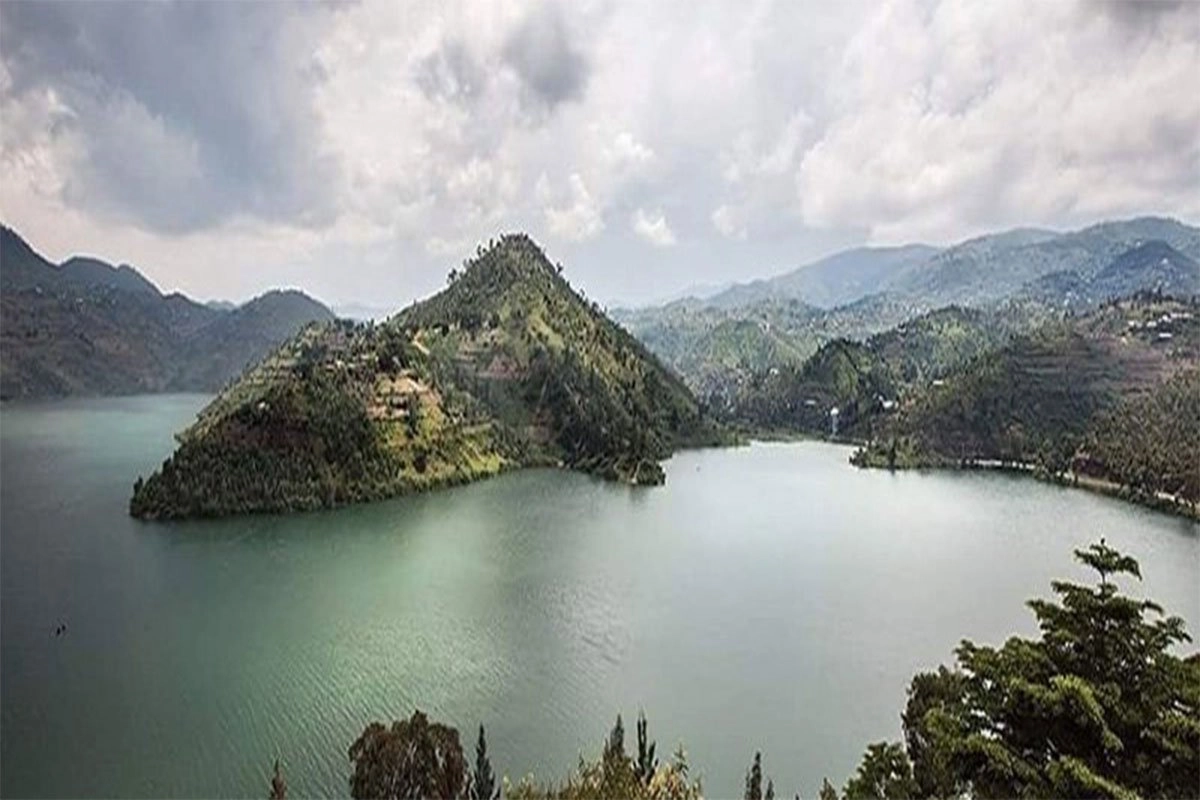
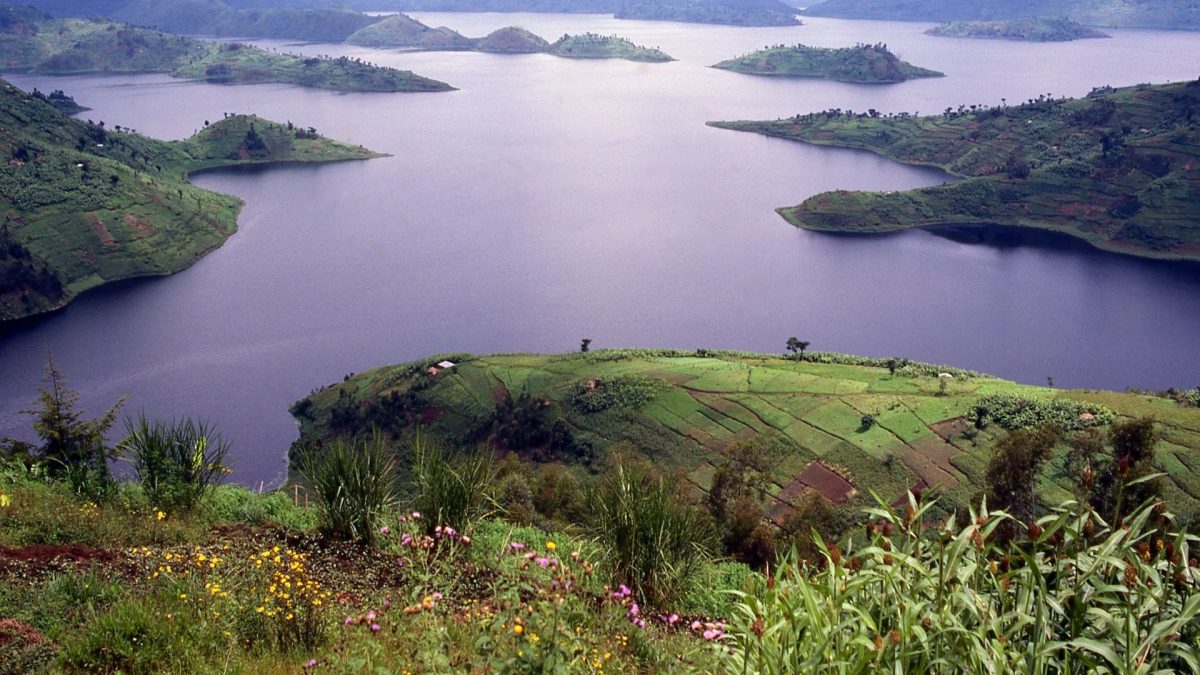
Nestled in the breathtaking landscapes of Rwanda, the Twin Lakes—Lake Burera and Lake Ruhondo—are a testament to the country’s natural beauty. These two lakes are located in the northern part of Rwanda, near the Uganda border, and are surrounded by the dramatic peaks of the Virunga Mountains. Lake Burera, the larger of the two, rises at an elevation of 1,863 meters, while Lake Ruhondo sits slightly lower, offering a stunning view that attracts nature enthusiasts and adventure seekers alike.
The Twin Lakes are separated by a narrow strip of land but are interconnected through a series of streams, creating a unique and picturesque setting. The majestic backdrop of towering volcanoes, particularly Mount Muhabura and Mount Gahinga, adds to the scenic allure, making the Twin Lakes an ideal destination for those seeking a harmonious blend of adventure and tranquility. Not only are these lakes a visual delight, but they also serve as a hub of biodiversity, drawing nature lovers from around the globe.
Exploring the Twin Lakes in Rwanda
A Hub of Biodiversity
The surrounding wetlands and forests of the Twin Lakes are teeming with life. Birdwatchers will delight in the variety of avian species, including the elusive African fish eagle, vibrant kingfishers, and the majestic grey-crowned crane. These lakes also support local fishing communities that have thrived around these waters for generations.
The rich flora includes papyrus reeds and other aquatic plants lining the shores, creating a diverse ecological zone that intrigues researchers and conservationists alike. This biodiversity not only supports local livelihoods but also provides a significant opportunity for sustainable tourism practices. Visitors can engage in various activities that cater to a wide array of interests, making the Twin Lakes a significant destination for ecotourism in Rwanda.
Activities to Enjoy at the Twin Lakes
Boating and Canoeing
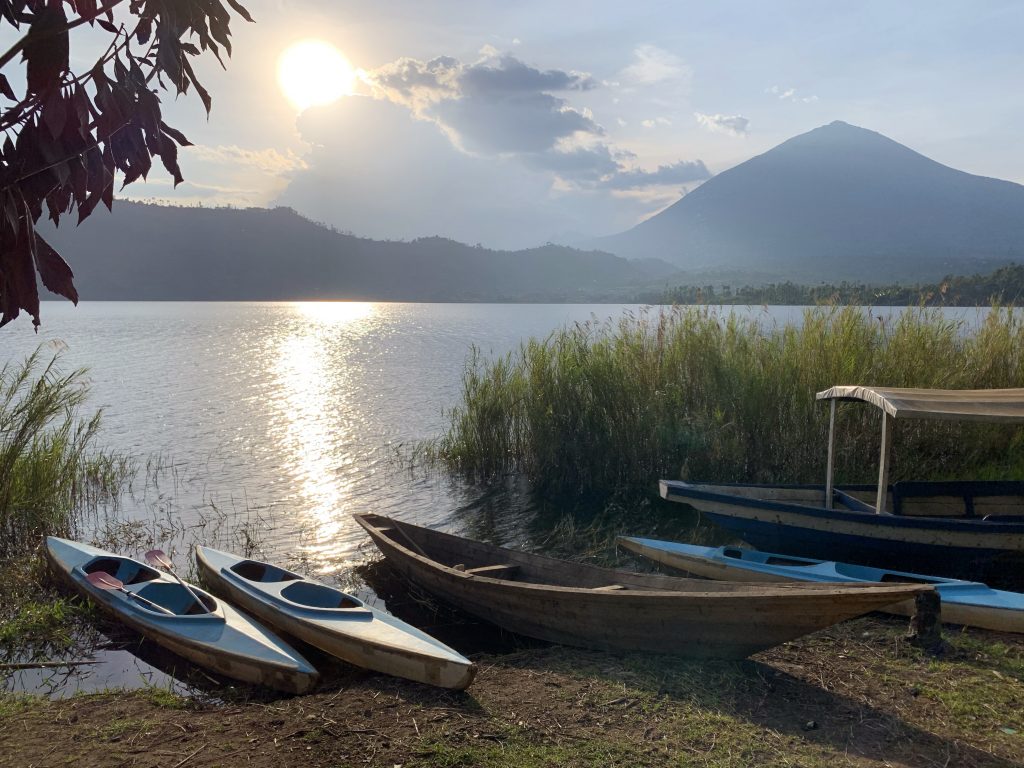
One of the most popular activities at the Twin Lakes is boating and canoeing. The calm and clear waters of Lake Burera and Lake Ruhondo offer an ideal setting for both leisurely boat rides and adventurous canoeing experiences. Guided boat tours are available, allowing visitors to glide across the lakes while soaking in the stunning scenery and observing local wildlife in their natural habitat.
Canoeing presents a more intimate way to explore the lakes. Paddling through the serene waters, visitors can appreciate the lush vegetation surrounding them and enjoy the majestic backdrop of the Virunga Mountains. This activity is perfect for nature enthusiasts looking to embrace the tranquility of the lakes while learning about the local ecosystems and the vital role these lakes play in supporting both wildlife and human communities.
Hiking and Nature Walks
The area surrounding the Twin Lakes is a paradise for hikers, featuring numerous trails that cater to varying levels of difficulty and offer breathtaking views. One popular hike involves ascending the nearby hills, providing panoramic views of both lakes and the surrounding landscapes. These trails often lead visitors through lush forests, past local farms, and up to vantage points where the expansive beauty of the lakes and the towering volcanoes can be fully appreciated.
Guided nature walks are also available, offering a unique opportunity to learn about the diverse flora and fauna of the region. Knowledgeable local guides lead these walks, sharing insights into the area’s ecology, history, and culture. This enriching outdoor experience allows visitors to connect with the environment while fostering an appreciation for Rwanda’s natural beauty.
Cultural Experiences
Engaging with local communities around the Twin Lakes provides a unique cultural experience that enhances any visit. Traditional fishing villages dot the lakes’ shores, allowing visitors to learn about ancient fishing techniques and the daily lives of local fishermen. Cultural tours often include visits to local markets, where traditional Rwandan crafts, foods, and produce can be purchased, supporting local artisans and farmers.
Participating in cultural performances, such as traditional dance and music, provides a deeper understanding of the rich heritage of the local people. Some tours even offer homestay experiences, allowing visitors to stay with local families, engage in daily activities, and gain firsthand appreciation of Rwandan hospitality and culture. These cultural experiences not only enrich visitors’ trips but also contribute to sustainable tourism efforts in the region.
Exploring the Twin Lakes in Rwanda
When to Visit the Twin Lakes
Best Season for Visiting: Dry Season (June to September)
The ideal time to explore the Twin Lakes is during the dry season, which spans from June to September. This period is characterized by clear skies, abundant sunshine, and minimal rainfall, creating perfect conditions for outdoor activities such as hiking, boating, and nature walks. Additionally, this dry season coincides with Rwanda’s peak tourism period, ensuring that various facilities and services are fully operational for a smooth and enjoyable visit.
During this time, the clear weather offers excellent visibility, allowing visitors to take in the breathtaking views of the lakes and the surrounding Virunga Mountains. It is also the prime time for photography, as the vibrant colors of the landscape come alive. Wildlife viewing is optimal during these months, as animals are more frequently spotted around the lakes and wetlands, making it an excellent season for nature enthusiasts.
Shoulder Season: December to February
Another favorable time to visit the Twin Lakes is during the short dry season, which occurs from December to February. While this season is not as long as the main dry season, it still provides relatively dry and pleasant weather suitable for most outdoor activities. This period is generally less crowded than the peak months, offering a more tranquil experience.
Visitors can enjoy serene boating and canoeing on the lakes, hike along scenic trails, and engage with local communities without the hustle and bustle of peak tourist numbers. The shoulder season also provides unique opportunities for birdwatching, as seasonal migrations occur during these months, adding an extra dimension to the visit.
Rainy Seasons: March to May and October to November
While the rainy seasons—March to May and October to November—are not typically recommended for visiting the Twin Lakes due to heavier rainfall and muddy trails, they have their own unique advantages. The landscape during these months is lush and vibrant, with flora in full bloom and the lakes brimming with water.
Photographers and nature enthusiasts may find this period rewarding for capturing the area’s natural beauty in its most verdant state. However, visitors should be prepared for challenging conditions, including possible interruptions in travel plans due to rain. For those willing to embrace the elements, the rainy season offers a quieter, more intimate experience with nature, as fewer tourists venture to the region.
Twin Lakes in Rwanda
Conclusion: A Must-Visit Destination
The Twin Lakes of Rwanda are more than just a stunning natural spectacle; they represent the perfect blend of adventure, relaxation, and cultural richness. Whether you’re paddling across serene waters, hiking through lush forests, or engaging with local communities, the Twin Lakes promise an unforgettable experience. As you plan your trip to Rwanda, make sure to include a visit to these breathtaking lakes in your itinerary.
With their unique biodiversity and opportunities for sustainable tourism, the Twin Lakes are a must-visit destination for anyone seeking to immerse themselves in the beauty and culture of Rwanda. At Saso Uganda Safaris, we are committed to providing you with an unforgettable journey, ensuring that your adventure at the Twin Lakes is one that you will cherish for a lifetime.