

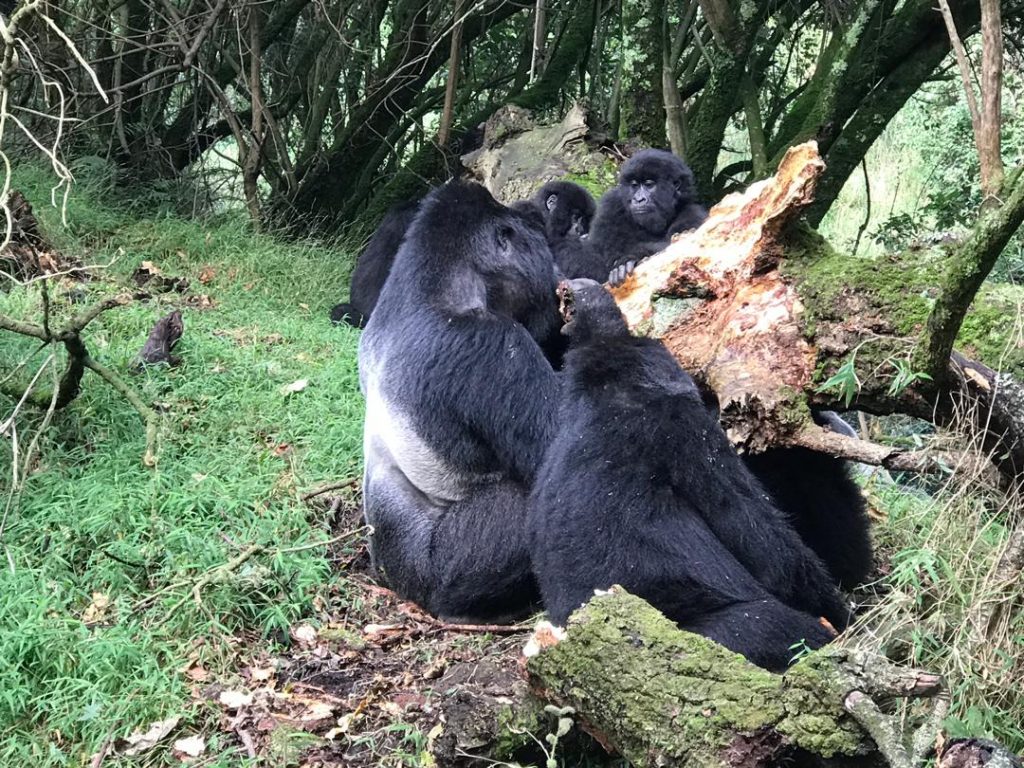
Are Gorillas Dangerous to Humans? Can Mountain Gorillas Harm Tourists?
“Are Gorillas Dangerous to Humans? Can Mountain Gorillas Harm Tourists?” is a question frequently raised by travelers embarking on a gorilla trekking adventure in East Africa. These majestic apes, known for their immense strength and striking resemblance to humans, often evoke mixed emotions—ranging from awe to apprehension. At Saso Uganda Safaris, we understand these concerns and aim to provide clarity and reassurance for anyone considering this life-changing experience.
Although mountain gorillas possess the power to cause harm, they are, by nature, calm, gentle, and largely non-aggressive when left undisturbed. In fact, their social structure revolves around harmony and mutual care, guided by a dominant male silverback whose primary role is to protect and lead the group. Gorilla trekking, when conducted under strict guidelines and professional guidance, is a safe and deeply rewarding experience that supports conservation and creates unforgettable connections with the wild.
Mountain Gorilla Behavior and Interaction with Humans
Peaceful Yet Powerful Creatures
To fully address the concern—”Are Gorillas Dangerous to Humans? Can Mountain Gorillas Harm Tourists?”—it is essential to delve into their behavioral ecology. Mountain gorillas, which inhabit the lush montane forests of Uganda, Rwanda, and the Democratic Republic of Congo, are highly intelligent, family-oriented creatures. They live in close-knit groups, led by a silverback, who ensures the safety and well-being of the troop. These apes exhibit a wide range of emotions and social behaviors—grooming, playing, nurturing their young—mirroring our own human interactions.
Territorial Displays and Defensive Responses
While generally non-confrontational, gorillas may exhibit defensive behavior if they perceive danger. A silverback may beat his chest, grunt, or mock-charge to signal a warning. These actions are typically meant to scare off intruders, not to inflict harm. Such displays are part of their natural defense mechanism, and aggression is rare, especially during regulated tourism activities. Tourists are always guided by experienced rangers who understand gorilla communication cues and ensure respectful distance and conduct.
Respect and Safety Protocols
Strict protocols govern gorilla trekking to minimize risks. Visitors must maintain a 7-meter distance, avoid eye contact, and stay calm in the presence of the gorillas. These rules not only protect tourists but also reduce stress on the animals. With such safeguards, the answer to “Are Gorillas Dangerous to Humans? Can Mountain Gorillas Harm Tourists?” becomes clearer—while they can be dangerous if threatened, they pose little risk during well-managed treks.
Where to See Mountain Gorillas in East Africa
Top Destinations for Gorilla Trekking
The question “Are Gorillas Dangerous to Humans? Can Mountain Gorillas Harm Tourists?” also ties into understanding where to engage with them safely. East Africa is home to two exceptional gorilla trekking destinations—Bwindi Impenetrable National Park in Uganda and Volcanoes National Park in Rwanda. Both offer immersive experiences under the guidance of professional trackers and conservationists.
Bwindi Impenetrable National Park – Uganda’s Gorilla Sanctuary
Located in southwestern Uganda, Bwindi is a UNESCO World Heritage Site and home to nearly half of the world’s remaining mountain gorillas. Treks in Bwindi are challenging yet rewarding, taking travelers through misty forests and rugged terrain to reach habituated gorilla families. The park offers four trekking sectors—Buhoma, Ruhija, Rushaga, and Nkuringo—each with unique gorilla groups and scenic beauty. Cultural experiences, such as visiting the Batwa pygmies, add rich dimensions to the safari.
Volcanoes National Park – Rwanda’s Premier Gorilla Destination
Volcanoes National Park is situated in the Virunga Mountains and offers easier trekking conditions compared to Bwindi. With well-maintained trails and accessible gorilla groups, this destination is ideal for first-time trekkers or those seeking a less strenuous adventure. Visitors can also engage in cultural experiences like the Iby’Iwacu Cultural Village, which showcases Rwandan traditions and the story of gorilla conservation. At both sites, professional rangers and trackers ensure safety, making the answer to “Are Gorillas Dangerous to Humans? Can Mountain Gorillas Harm Tourists?” a confident no for respectful and well-prepared travelers.
What to Pack for a Gorilla Trekking Safari in East Africa
Preparedness Enhances Safety and Comfort
For those still wondering, “Are Gorillas Dangerous to Humans? Can Mountain Gorillas Harm Tourists?”, the key to a safe encounter lies not only in behavior but also in preparation. Knowing what to pack can significantly enhance the experience while ensuring the well-being of both humans and gorillas.
Essential Clothing and Footwear
Dress appropriately for the trek—wear long-sleeved shirts and trousers to protect against insects and vegetation. Choose moisture-wicking fabrics that keep you cool and dry in the rainforest. A waterproof jacket and a wide-brimmed hat are indispensable for unpredictable weather. Sturdy, waterproof hiking boots with good grip are a must to navigate the often slippery and steep trails.
Recommended Gear and Accessories
Bring a backpack with essentials: water, snacks, a camera, and binoculars. Insect repellent, sunscreen, and gloves are also vital. A walking stick, often provided at the start of the trek, can greatly aid stability. Following these packing tips ensures you’re well-equipped for the adventure while minimizing environmental impact and respecting gorilla habitats.
Respectful Behavior and Etiquette
Maintaining respectful etiquette throughout the trek is paramount. Visitors are advised to remain calm, avoid loud noises, and follow guide instructions at all times. These actions show reverence for the gorillas’ natural behavior, reaffirming that while they are powerful creatures, they respond peacefully to respectful human presence. Thus, for those still asking, “Are Gorillas Dangerous to Humans? Can Mountain Gorillas Harm Tourists?”, rest assured that with proper conduct, these treks are remarkably safe.
When is the Best Time for Gorilla Trekking in East Africa?
Seasonal Considerations for a Safe Experience
Understanding the best time to go also informs the response to “Are Gorillas Dangerous to Humans? Can Mountain Gorillas Harm Tourists?”—as timing influences both gorilla behavior and trekking conditions.
Dry Season Advantage (June–September and December–February)
The dry months offer ideal trekking conditions with minimal rainfall, clearer skies, and better trail access. Gorillas are more visible and active during this time, and trails are safer and easier to navigate. As this is peak tourist season, it’s advisable to book permits and accommodations well in advance.
Wet Season (March–May and October–November)
While the trails are muddier and more challenging, these months offer quieter experiences with fewer tourists. Photography is enhanced by the lush green landscape, and permits may be more affordable. Though trekking is tougher, encounters with gorillas remain just as magical and safe with proper preparation.
Combining Gorilla Trekking with Cultural Experiences in Uganda
Enriching Your Safari Beyond Wildlife
Visitors pondering “Are Gorillas Dangerous to Humans? Can Mountain Gorillas Harm Tourists?” are often reassured by the broader cultural context that surrounds these safaris. In Uganda, gorilla trekking can be combined with immersive cultural experiences that offer deep insight into the lives of local communities.
The Batwa Cultural Trail
The Batwa pygmies, indigenous forest dwellers, offer guided walks that recount their ancient traditions, hunting skills, and spiritual practices. These experiences are respectful, community-led, and provide economic support to the Batwa people, fostering mutual appreciation and understanding.
Local Arts, Dance, and Cuisine
Cultural performances and visits to local villages enrich your safari. Engage in traditional Ugandan dance, sample local cuisine, and participate in craft-making sessions. These interactions highlight the harmonious relationship between people and wildlife, reinforcing the notion that gorilla conservation benefits both biodiversity and local livelihoods.
Conclusion: The Truth Behind the Question – Are Gorillas Dangerous to Humans?
At Saso Uganda Safaris, our commitment is to dispel fears and provide accurate, respectful, and inspiring information. So, are gorillas dangerous to humans? Can mountain gorillas harm tourists? The honest answer is: not when treated with the respect and caution they deserve. With professional guides, strict safety measures, and informed behavior, gorilla trekking is a safe, soul-stirring journey into the heart of East Africa’s pristine wilderness. Whether you choose to trek in Uganda’s Bwindi or Rwanda’s Volcanoes, or combine your adventure with cultural encounters, the experience promises unforgettable memories and meaningful contributions to conservation. Book your safari with Saso Uganda Safaris and witness the peaceful majesty of gorillas firsthand—fearlessly and respectfully.