

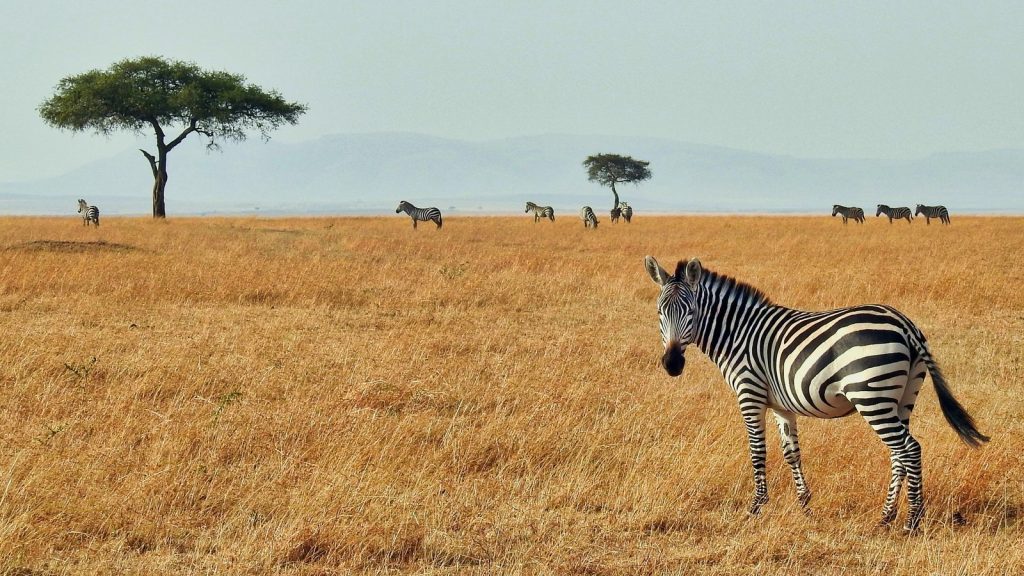
African Safari in Masai Mara National Reserve
African Safari in Masai Mara National Reserve; The Masai Mara National Reserve, often referred to simply as “The Mara,” stands as one of Africa’s premier wildlife destinations. Located in southwestern Kenya, this expansive reserve is renowned for its rich biodiversity, breathtaking landscapes, and the iconic Great Migration. Whether you’re embarking on a dedicated wildlife safari or combining it with experiences like Uganda Gorilla Trekking, the Masai Mara offers an unparalleled adventure.
Introduction to Masai Mara National Reserve
Spanning approximately 1,510 square kilometers, the Masai Mara is part of the larger Mara-Serengeti ecosystem, which extends into Tanzania. The reserve is named after the indigenous Maasai people, with “Mara” meaning “spotted” in their language, referencing the acacia trees dotting the landscape. Established in 1961, the Masai Mara is a vital conservation area, home to an abundance of wildlife, including the “Big Five”—lion, leopard, elephant, buffalo, and rhinoceros.
The reserve’s diverse ecosystems encompass savannahs, woodlands, and riverine forests, providing habitats for over 95 mammal species and more than 500 bird species. This rich biodiversity makes it a top destination for wildlife enthusiasts and photographers alike.
Wildlife Safari in Masai Mara
Game Drives: The Heart of the Safari Experience
Game drives are the cornerstone of any Masai Mara safari. These excursions allow visitors to traverse the reserve’s vast plains in search of wildlife. Morning and late afternoon drives are particularly rewarding, as these are the times when animals are most active. Guided by experienced rangers, guests have the opportunity to witness the majestic “Big Five” and other iconic species such as cheetahs, giraffes, and hippos.
Hot Air Balloon Safaris: A Unique Perspective
For a truly unforgettable experience, hot air balloon safaris offer a bird’s-eye view of the Mara’s expansive landscape. These early morning flights provide a serene and panoramic perspective of the plains, rivers, and wildlife below. The journey concludes with a celebratory champagne breakfast in the bush, making it a highlight for many visitors.
Walking Safaris: Immersing in Nature
Walking safaris offer a more intimate connection with the environment. Accompanied by trained guides, visitors can explore the reserve on foot, learning about the smaller flora and fauna that often go unnoticed during vehicle-based safaris. This experience fosters a deeper appreciation for the ecosystem’s intricacies.
The Great Migration: Nature’s Spectacle
One of the most awe-inspiring events in the Masai Mara is the annual Great Migration. From July to October, over 1.5 million wildebeest, zebras, and gazelles traverse the plains in search of fresh grazing grounds. This journey culminates in dramatic river crossings, where herds face the perilous Mara River, teeming with crocodiles. Witnessing this spectacle is a bucket-list experience for many safari enthusiasts.
Cultural Encounters: Engaging with the Maasai People
Beyond its wildlife, the Masai Mara offers rich cultural experiences. Visitors have the opportunity to engage with the Maasai community, learning about their traditions, customs, and way of life. These interactions often include visits to traditional Maasai villages, where guests can observe dances, beadwork, and pastoral practices. Such cultural immersions provide a holistic understanding of the region’s heritage and its symbiotic relationship with the land.
Accommodation Options: From Luxury to Budget-Friendly
The Masai Mara caters to a wide range of preferences and budgets when it comes to accommodation. Luxury lodges and tented camps, such as Angama Mara and &Beyond Kichwa Tembo, offer opulent amenities and exceptional views of the reserve. For those seeking more modest options, campsites and mid-range lodges provide comfortable stays without compromising on the safari experience.
Best Time to Visit
The ideal time to visit the Masai Mara largely depends on the desired experience. For witnessing the Great Migration, the months of July to October are optimal. However, the reserve is a year-round destination, with each season offering unique wildlife encounters and scenic beauty.
Combining Masai Mara with Other Safari Destinations
For those looking to expand their safari adventure, combining a visit to the Masai Mara with other renowned destinations can enrich the experience. For instance, pairing a Masai Mara safari with Uganda Gorilla Trekking offers a diverse wildlife experience, from the plains of the Mara to the dense forests of Uganda. Alternatively, a Rwanda safari, including Gorilla Trekking Rwanda, provides an opportunity to explore the volcanic landscapes and encounter mountain gorillas in their natural habitat.
Travel Tips for a Memorable Safari
- Health Precautions: Ensure vaccinations are up to date and consider anti-malarial medication.
- Packing Essentials: Lightweight, neutral-colored clothing, binoculars, and a good camera are recommended.
- Local Etiquette: Respect the Maasai culture and traditions during interactions.
- Conservation Awareness: Support eco-friendly lodges and participate in responsible tourism practices.