


How the Great Wildebeest Migration Works: A Comprehensive Guide
The Great Wildebeest Migration is one of nature’s most spectacular events, drawing wildlife enthusiasts and adventurers from around the globe. This breathtaking phenomenon, often referred to as the “Great Migration,” involves the annual movement of over a million wildebeests, zebras, and gazelles across the Serengeti-Mara ecosystem. Understanding how this migration works provides deeper insights into the intricate web of life in Africa’s savannahs. This guide delves into the dynamics of the migration, its timing, and how it can be combined with other safari experiences like gorilla trekking, chimpanzee tracking, or relaxing on the beaches of Zanzibar or Diani.
The Great Wildebeest Migration Explained
The Migration Cycle
The Great Wildebeest Migration is a continuous loop of movement that follows a circular path between the Serengeti National Park in Tanzania and the Maasai Mara National Reserve in Kenya. The cycle is driven by seasonal weather patterns and the availability of water and grazing lands.
The migration starts in the southern Serengeti, where wildebeests and other herbivores gather for calving season from January to March. This period is crucial as the herds give birth to thousands of calves, taking advantage of the nutrient-rich grasses in the southern plains.
As the dry season progresses, the herds begin their journey northward in search of greener pastures and water sources. By June, they reach the central Serengeti and continue to move toward the Maasai Mara in Kenya. The crossing of the Mara River, which occurs between July and October, is a dramatic and perilous part of the migration, showcasing nature’s raw power as the animals face crocodiles and strong currents.
In the Maasai Mara, the herds graze until the onset of the rainy season, around November. With the rains bringing fresh grasses, the wildebeests start their return journey to the Serengeti to repeat the cycle. This constant movement ensures their survival and the health of the ecosystem they inhabit.
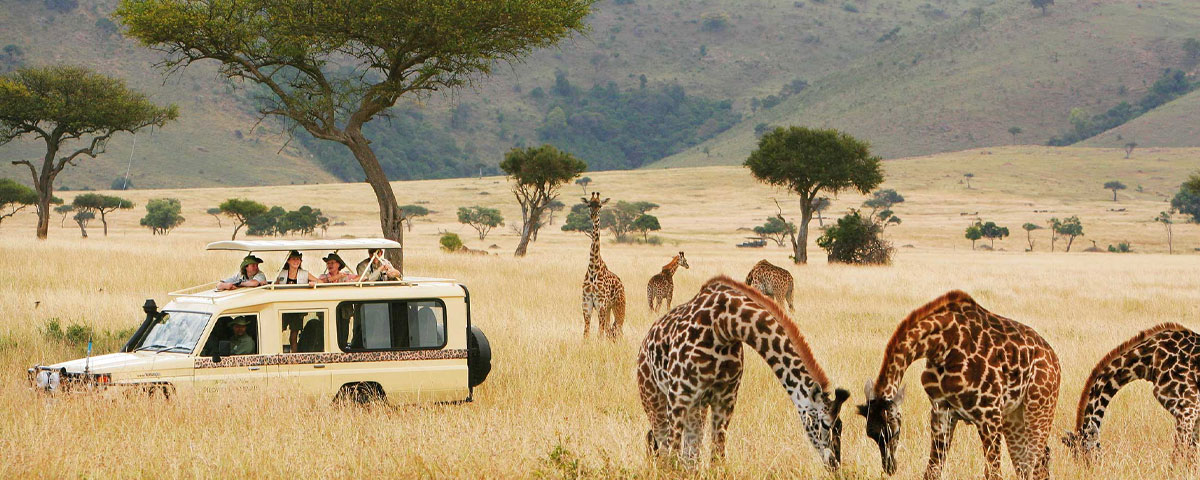
Timing and Best Viewing Opportunities
The timing of the Great Wildebeest Migration is influenced by the seasonal rains, making it a dynamic and ever-changing spectacle. The best time to witness specific events within the migration depends on what aspect of the migration you wish to observe:
Calving Season (January to March): Witness the birth of thousands of wildebeest calves in the southern Serengeti. This period is characterized by high predator activity, as lions and cheetahs prey on the vulnerable young calves.
River Crossings (July to October): The Mara River crossings are the most dramatic part of the migration. Witnessing thousands of wildebeests and zebras braving the treacherous waters is a highlight for many visitors.
Return Migration (November to December): As the herds head back to the Serengeti, you can experience the changing landscapes and the herds’ gradual return to their calving grounds.
Combining the Migration with Other Safari Experiences
Gorilla Trekking in Uganda and Rwanda
For a truly immersive African adventure, consider combining the Great Wildebeest Migration with gorilla trekking in Uganda or Rwanda. The migration offers an incredible display of wildlife movement, while gorilla trekking provides a unique opportunity to encounter one of the world’s most endangered species up close.
In Uganda, Bwindi Impenetrable National Park and Mgahinga Gorilla National Park are renowned for their mountain gorilla populations. Trekking through the dense forests to observe these magnificent creatures is a profound experience that complements the excitement of the Great Migration.
Rwanda’s Volcanoes National Park is another excellent destination for gorilla trekking. With its lush landscapes and mountain gorilla families, Rwanda offers an enriching contrast to the wide-open plains of the Serengeti.
Chimpanzee Tracking in Uganda
Combining the migration with chimpanzee tracking in Uganda provides a diverse wildlife experience. The lush rainforests of Kibale National Park, where you can track chimpanzees, offer a stark contrast to the savannahs of the Serengeti. This combination allows you to witness the Great Migration’s grandeur and then delve into the rich biodiversity of Uganda’s rainforests.
Chimpanzee tracking involves guided treks through the forest to locate and observe these intelligent primates in their natural habitat. The chance to see chimpanzees interacting in the wild adds a unique dimension to your safari experience.

Extra-Ordinary Wildlife Experiences
Beach Relaxation in Zanzibar or Diani Beach
After the thrilling adventure of the Great Migration, unwind on the stunning beaches of Zanzibar or Diani Beach. Zanzibar, with its crystal-clear waters and white sandy shores, offers a perfect retreat after a safari. Explore the island’s rich cultural heritage, relax in luxury resorts, and enjoy activities like snorkeling and diving.
Diani Beach, located on Kenya’s south coast, is another idyllic destination. With its beautiful coral reefs and tranquil ambiance, it’s an excellent place to relax and reflect on your safari adventures.
Cultural Experiences with Maasai People
In addition to wildlife encounters, a safari during the Great Migration can include cultural experiences with the Maasai people. The Maasai are known for their distinctive customs and vibrant culture. Many safari itineraries include visits to Maasai villages, where you can learn about traditional Maasai life, customs, and their harmonious relationship with the land.
Participating in Maasai cultural experiences provides a deeper understanding of the people who live alongside the Great Migration. Engage in traditional dances, visit Maasai homesteads, and gain insights into their way of life and how they coexist with the wildlife that defines their landscape.
Conclusion
Understanding how the Great Wildebeest Migration works adds depth to the awe-inspiring experience of witnessing this natural wonder. From the calving season in the Serengeti to the dramatic river crossings in the Maasai Mara, each phase of the migration offers unique and memorable experiences. Combining the migration with gorilla trekking, chimpanzee tracking, or a relaxing beach holiday enhances your safari adventure, providing a comprehensive African experience. For more information and to plan your safari itinerary, contact Saso Uganda Safaris. Our expert team will help you create an unforgettable journey through Africa’s most extraordinary landscapes and experiences.
Tanzania Wildlife Safari Facts
Best Top 15 Uganda Safaris
- Murchison Falls Tour Safari
- Lake Mburo National Park Safari
- Gorilla Trek Africa & Uganda Wildlife Safari
- Wildlife and Gorilla Trekking Uganda Safari
- Gorillas and Chimpanzee Trekking Uganda Safari
- Murchison Falls Big 5 Safari and Jinja Source of the Nile
- Primates Safari Uganda – Gorilla Trekking & Chimpanzee Safari
- Uganda Gorillas & Wildlife Safari
- Gorillas and Savanna Safari
- Uganda Chimpanzee and Gorilla Trekking Safari
- Uganda Wildlife & Primates Safari
- Gorilla Trek Uganda & Wildlife Safari
- Gorilla Trek Uganda & Wildlife Safari
- Uganda Wildlife Holiday Adventure Safari
- Uganda Primates & Wildlife Safari
Best Of Kenya Safari And National Parks
- 3 Days Best Of Maasai Mara Budget Safari
- 3 Days Maasai Mara Luxury Safari In Kenya
- 4 Days Private Luxury Safari
- 4 Days Maasai Mara Budget Safari
- 5 Days Affordable Safari
- 5 Days Luxurious Safari
Best Of Tanzania Safari and National Parks
- 4 Days Safari In Northern Tanzania
- 5 Days Safari In Northern Tanzania
- 6 Days Safari In Northern Tanzania
- 8 Days Machame Route
- 7 Days Marangu Route
- 9 Days Climb Via Machame Route
Rwanda Safaris Tour Holidays
- Ultimate Rwanda Safari Adventure
- Best of Rwanda Safari
- Primates & Gorilla Tour
- Rwanda Primates Safari
- Best of Rwanda Safari
- Rwanda Gorilla Trek & Lake Kivu expedition
- Gorilla Trekking Rwanda & Wildlife Safari
- Mountain Gorilla Trek & Cultural Gala Rwanda
- Rwanda Mountain Gorillas & Golden Monkey Trekking Safari
- Rwanda gorilla Safari